Why do the Camino de Santiago in winter?
Winter can offer advantages when doing the Camino de Santiago in winter. One of these advantages is the tranquility: the paths are practically empty, for those seeking silence, reflection and a spiritual experience, this time of year is the best option.
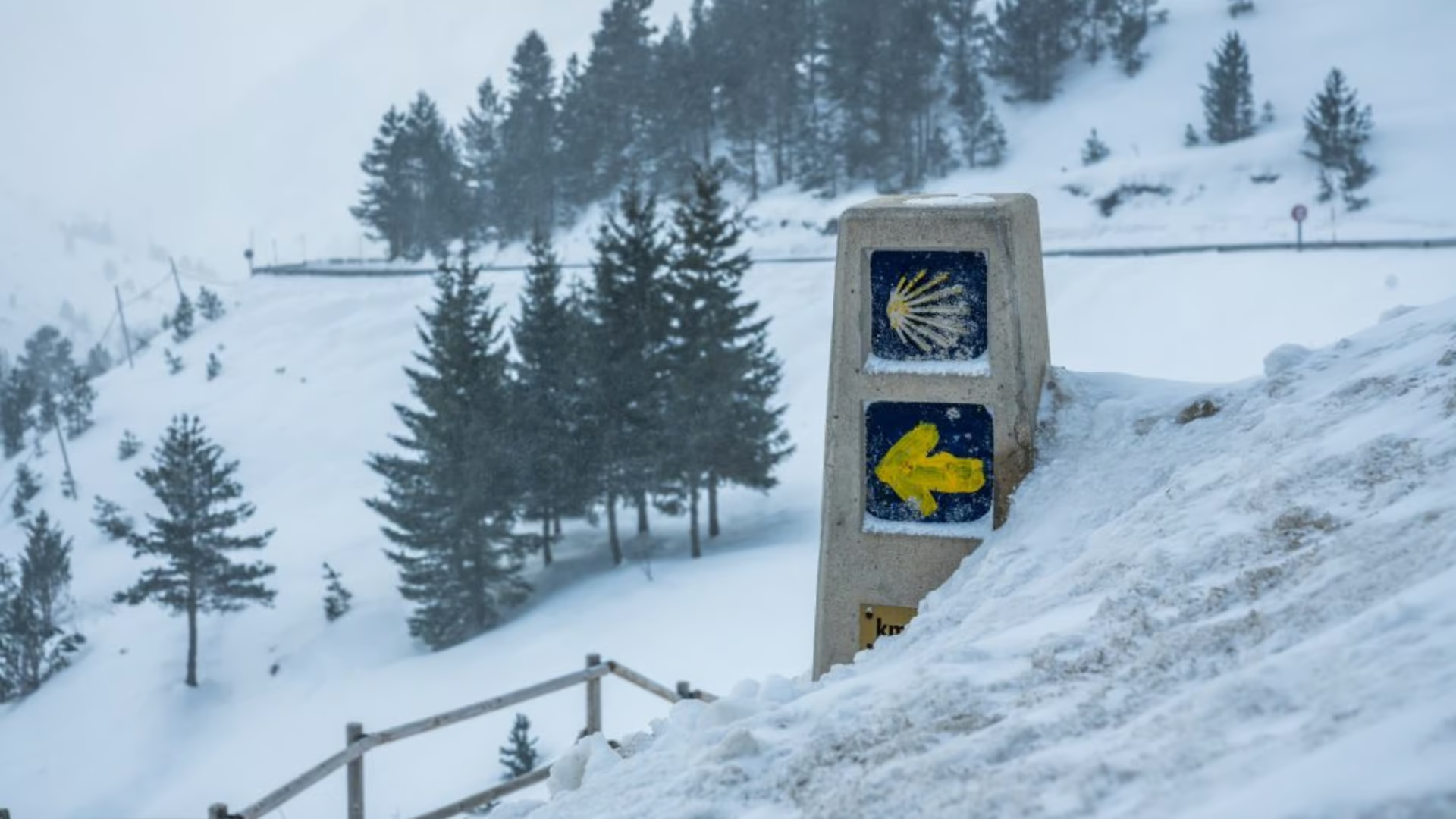
Additionally, in winter you will appreciate the snowy fields, the frost-covered forests and the fog that envelops the valleys. Also, the Christmas lights in the towns add a special touch to the journey. And for more veteran pilgrims, winter represents a new personal challenge.
What is the weather like on the Camino de Santiago during winter?
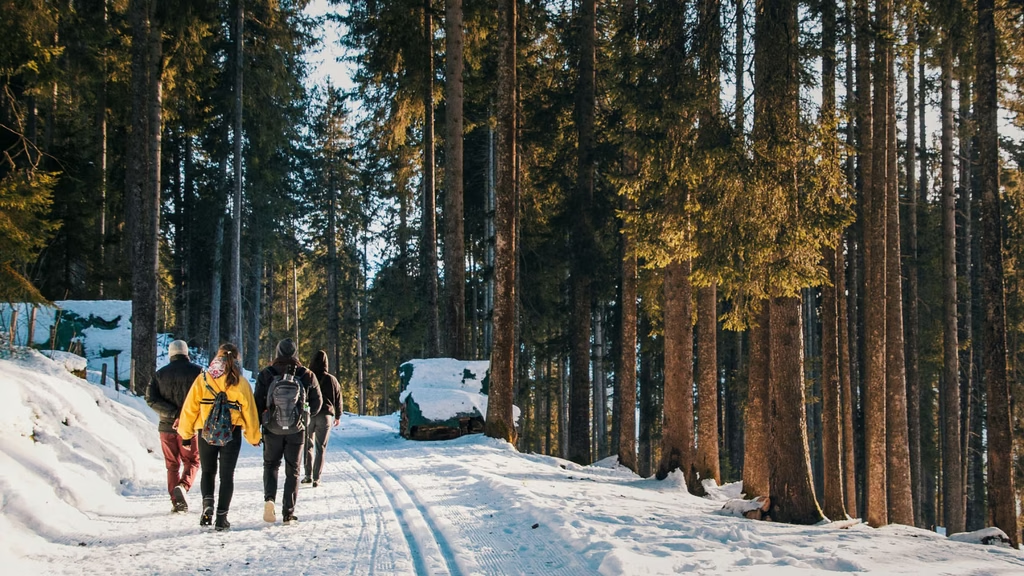
Winter is the toughest season on the Camino de Santiago. Temperatures vary depending on the route and altitude. If we talk about the French Way, minimum temperatures can drop below 0 °C, and even reach -10 °C in plateau areas. It should be noted that at mountain passes, such as the Alto de Perdón or O Cebreiro, snow and frost are frequent.
In the north of the peninsula, the climate is milder thanks to the proximity to the ocean, with temperatures ranging between 6 ºC and 13 ºC, although with storms it can drop to 5 ºC. In the Portugal area, the climate is milder, but with frequent rainfall. In any case, the common factor at this time of year is instability: rain, dense fog and frost.
Disadvantages of doing the Camino de Santiago in winter
Doing the Camino de Santiago in winter implies assuming risks and difficulties that do not exist at other times.
- Adverse weather: From December to February, it is common to experience intense cold, rain, snow and strong winds.
- Dangerous paths: Mud, ice and snow make progress difficult and increase the risk of falls and injuries.
- Limited daylight hours: The days are very short, forcing you to get up early and plan the stages.
- Closure of hostels and services: many hostels and private businesses close during the low season. Public hostels usually remain open, especially in Galicia and on the French Way, but it is essential to check their availability.
- Heavier backpack: Warm and waterproof clothing add weight and volume to the luggage.
- Loneliness on the road: In winter, the number of pilgrims drops. In different hostels, barely one or two pilgrims per day are registered in December and January.
The best routes of the Camino de Santiago to do in winter
Knowing how to choose the route in winter is necessary to enjoy a safe and quiet pilgrimage.
French Way: infrastructure and services
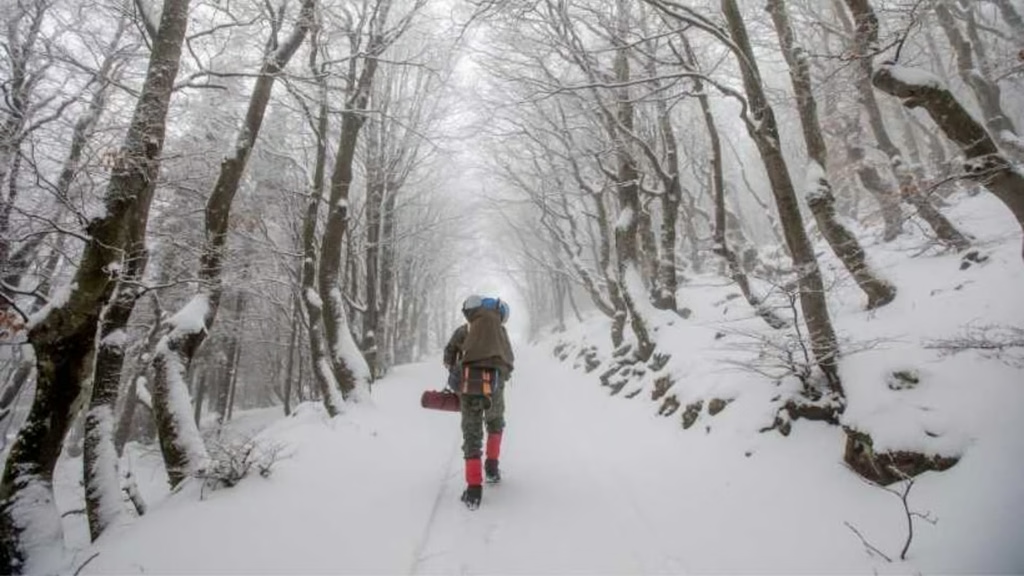
The French Way is the route that best adapts to winter. Being the most popular route, it has a wide network of public hostels open all year round, guaranteeing shelter every 25-30 kilometres. However, it is necessary to plan the stages well and check which hostels are open, as many private ones close during the low season.
Portuguese Way: milder climate although rainy
The Portuguese Way is a good option, the climate is less extreme than on the Castilian plateau, with mild temperatures. However, rain is frequent and mud is common. It is necessary to plan the stages and check which public hostels are open.
Winter Way: the alternative to O Cebreiro
The Winter Way is a variant of the French Way, designed to avoid the harsh winter conditions of the O Cebreiro pass. This route offers a less crowded journey with great landscape and cultural content. This route requires more detailed planning because the hostel network is more scattered.
Routes to avoid in winter: Northern and Primitive for beginners
The Northern Way and the Primitive Way are routes that, due to their terrain and climate, are not recommended in winter, especially for inexperienced pilgrims. The Northern Way can suffer storms with wind and heavy rain. The Primitive Way accumulates snow and ice on many sections, and its services are reduced.