What is the Forgotten Way and what is its historical origin?
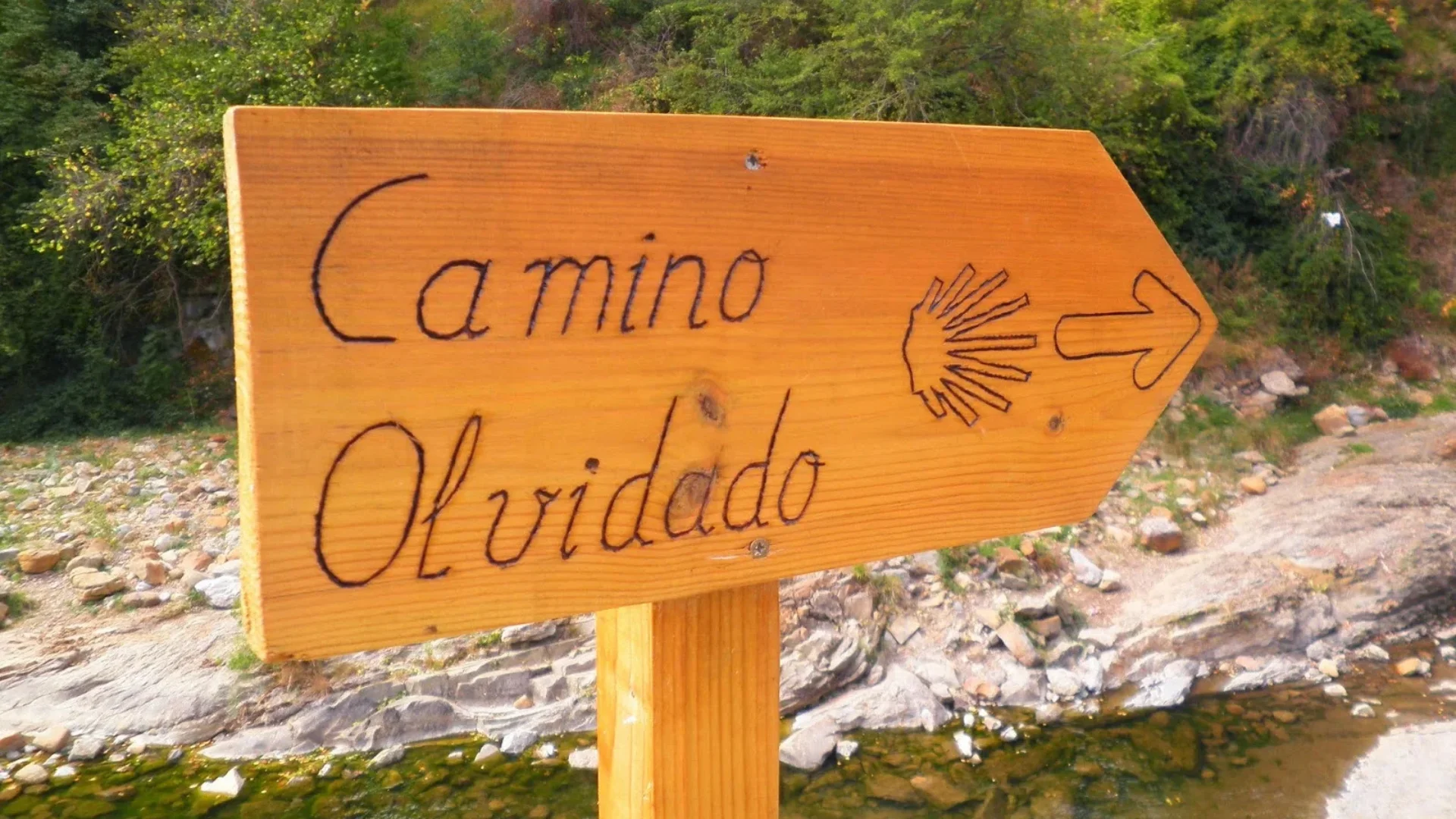
The Forgotten Way, also known as the Old Way of Saint James or the Mountain Route, is a route of approximately 680 kilometers that connects the city of Bilbao with Villafranca del Bierzo. The origin of this route dates back to the Early Middle Ages, between the 9th and 12th centuries, when the consolidation of the Kingdom of Asturias required safe paths to connect the Christian nuclei of the north with the remains of the Apostle, since the French Way was not safe.
European pilgrims were forced to design alternative routes, making progress protected by the rugged terrain of the Cantabrian Mountains. The Forgotten Way takes advantage of ancient Roman roads, towpaths, and shepherd paths. As the Reconquista advanced, the flow of pilgrims shifted to the French Way, causing this route to fall into oblivion.
Route, Distance, and Kilometers: The Stages of the Forgotten Way
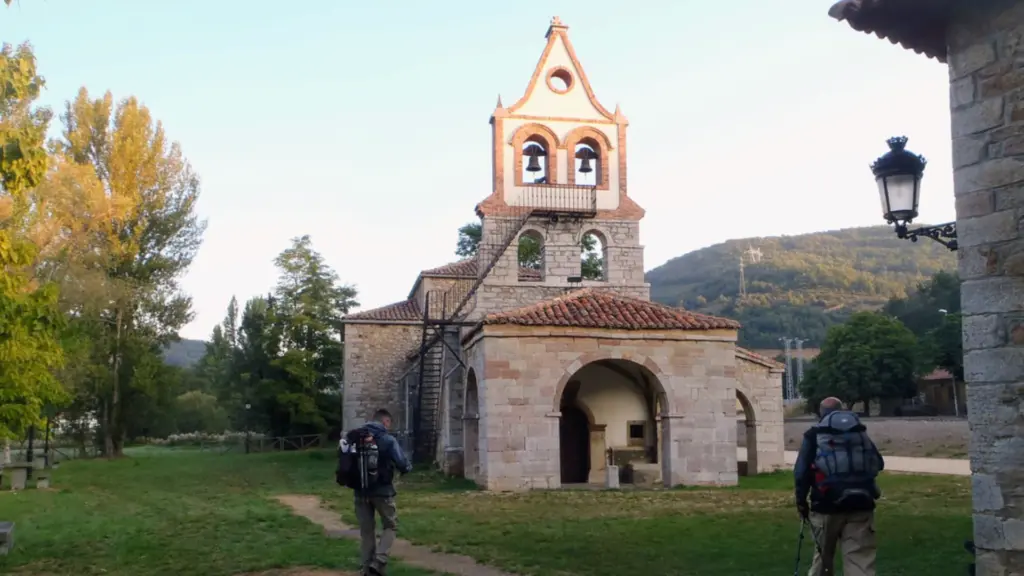
The official itinerary of the Forgotten Way consists of 22 days of walking due to the harshness of the terrain. However, for cyclists, this distance is usually grouped into about 7 or 8 stages of intense pedaling, depending on the weight of your luggage and your type of bicycle.
- Stage 1: Bilbao – Balmaseda (33 km)
- Stage 2: Balmaseda – Espinosa de los Monteros (35 km)
- Stage 3: Espinosa de los Monteros – Pedrosa de Valdeporres (31 km)
- Stage 4: Pedrosa de Valdeporres – Arija (23 km)
- Stage 5: Arija – Covanera (33 km)
- Stage 6: Covanera – Aguilar de Campoo
- Stage 7: Aguilar de Campoo – Cervera de Pisuerga (29 km)
- Stage 8: Cervera de Pisuerga – Guardo (38 km)
- Stage 9: Guardo – Cistierna (36 km)
- Stage 10: Cistierna – Boñar (21 km)
- Stage 11: Boñar – La Robla (26 km)
- Stage 12: La Robla – Buiza (15 km)
- Stage 13: Buiza – La Pola de Gordón (16 km)
- Stage 14: La Pola de Gordón – Vegacervera (14 km)
- Stage 15: Vegacervera – Aviados (18 km)
- Stage 16: Aviados – La Vecilla (10 km)
- Stage 17: La Vecilla – Matallana de Torío (12 km)
- Stage 18: Matallana de Torío – La Robla (reconnection) (13 km)
- Stage 19: La Robla – Fasgar (42 km)
- Stage 20: Fasgar – Igüeña (19 km)
- Stage 21: Igüeña – Congosto (33 km)
- Stage 22: Congosto – Cacabelos – Villafranca del Bierzo (28 km)
What is the albergues and services infrastructure like on the Forgotten Way?
On the Forgotten Way, the hostels stand out for being municipal, converted old schools, or premises managed by local neighborhood councils. Since there are no hospitaleros (hospitality volunteers), the most important rule is to call the town hall or neighborhood contact the day before to ensure that someone comes to hand over the keys and stamp your credential.
Also, keep in mind that there are mountain sections in Palencia and León where you will travel for more than 30 kilometers without crossing any type of service. To travel with peace of mind, just be proactive: leave with your water bottles fully filled, energy bars, and a tool kit.
Places and Monuments on the Forgotten Way
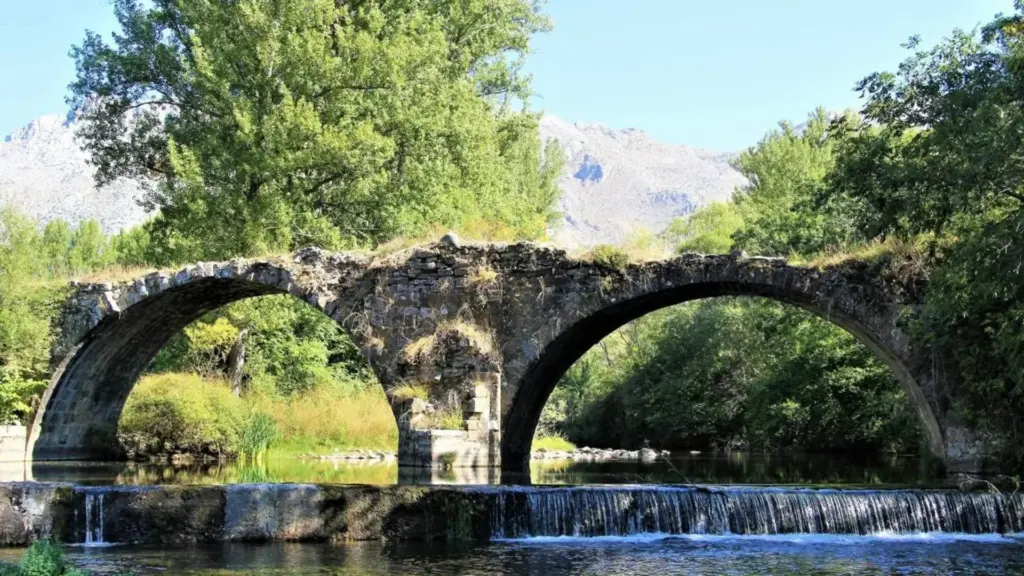
A great coincidence of this itinerary is that, when crossing the province of León near La Robla, the Forgotten Way shares its geography with the Saviour’s Way (Camino de San Salvador).
- Collegiate Church of Santa María de Arbas: Located near the Pajares Pass, this 12th-century Romanesque-style church provided a vital hospital relief service for pilgrims during the Middle Ages.
- Church of Santa Cristina de Lena: Located on the Asturian slope, this 9th-century Asturian Pre-Romanesque style church perches on a green hill.
- San Salvador Cathedral (Oviedo): A Gothic-style cathedral that safeguards ancient Christian relics in its Holy Chamber (Cámara Santa), such as the Holy Shroud. This justifies the popular saying that obliged pilgrims to visit the “Master” (in Oviedo) before the “Servant” (in Santiago).
- Hermitage of El Buen Suceso (Huergas de Gordón): An 18th-century Marian sanctuary set in an environment of limestone gorges.