What is the Northern Way?
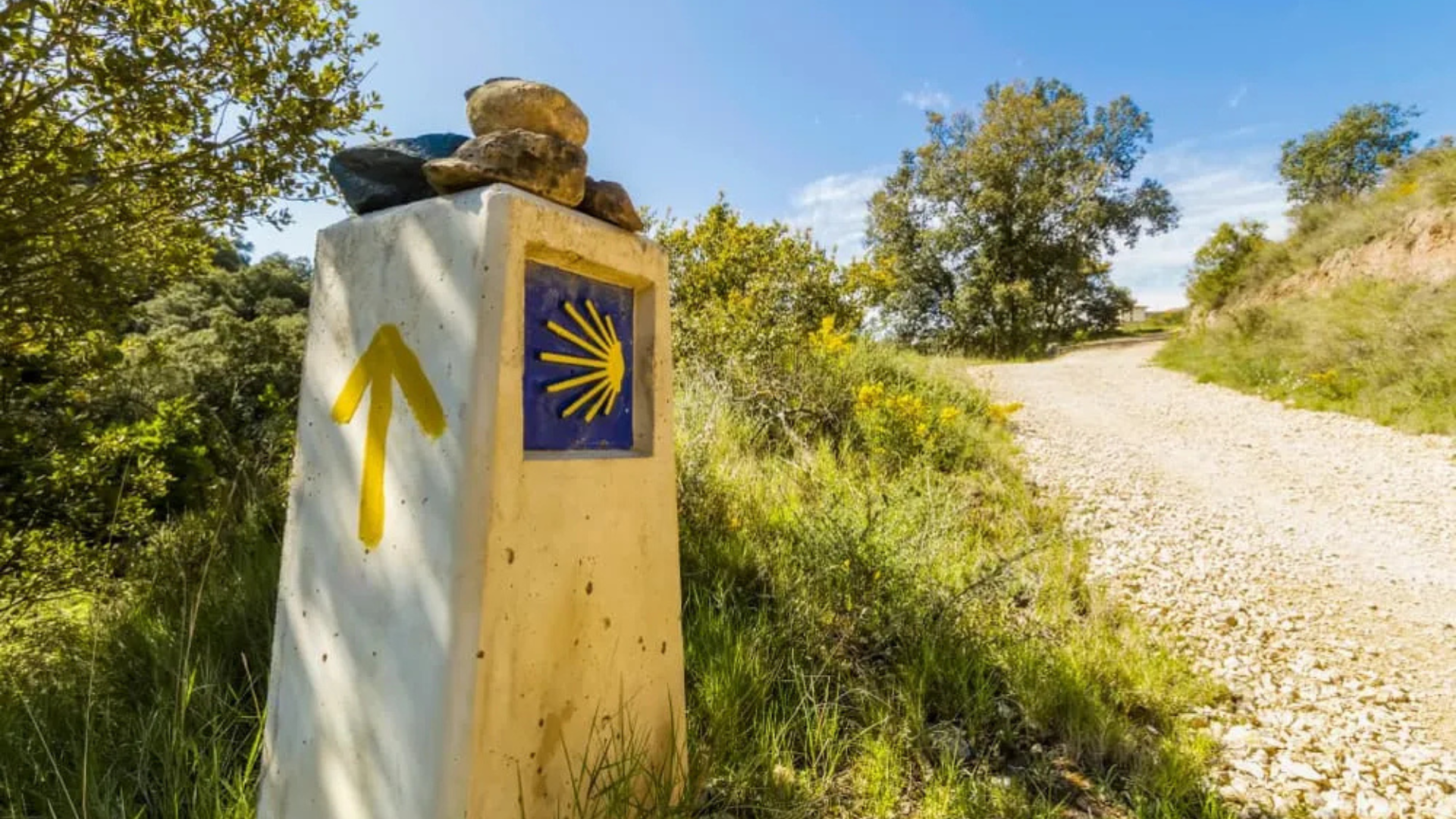
The Northern Way is a Jacobean route of approximately 830 kilometers that connects Irún (Guipúzcoa) with Santiago de Compostela. The route runs parallel to the Cantabrian Sea, crossing the Basque Country, Cantabria, and Asturias, before turning inland at the town of Ribadeo.
From a technical perspective for the cyclist, this route is classified as a difficult itinerary. Most of the trail runs along cliffs, rocky areas, or narrow pedestrian paths. For this reason, cyclists must combine the official route with the N-634 national highway.
What is the historical origin of the Northern Way?
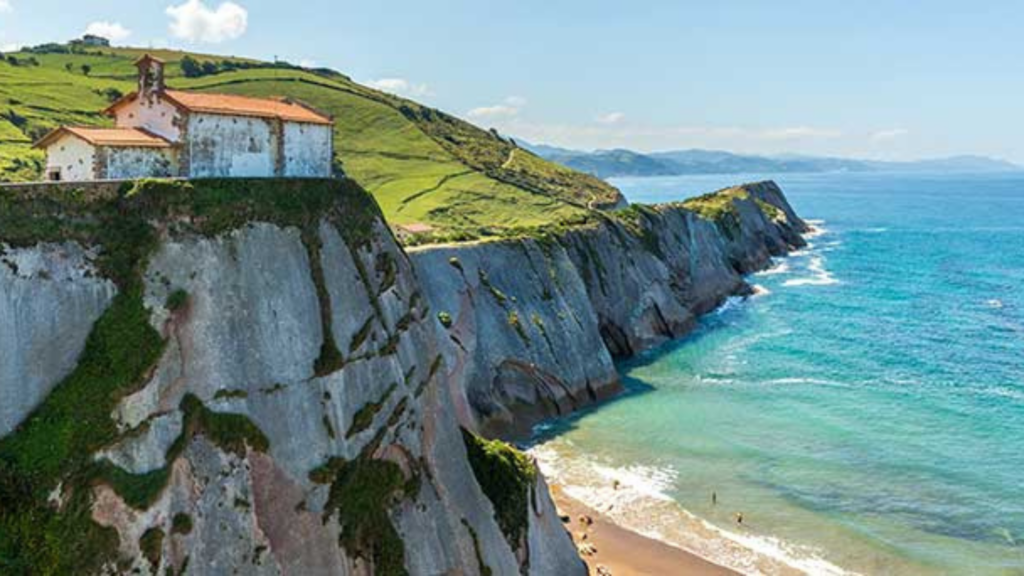
The origin of the Northern Way dates back to the 9th and 10th centuries, coinciding with the first European pilgrimages to Santiago de Compostela. During this period, the southern half of the peninsula was under Muslim rule or consisted of border zones with ongoing military conflicts. This situation forced pilgrims to use the northern coastal strip, which was protected by the Cantabrian Mountain Range.
Over time, and once the center of the peninsula was pacified, monarchs promoted the French Way because it was a flatter, faster terrain that favored trade. This caused the Northern Way to be sidelined.
Route, Distances, and Kilometers: Where Does It Start and Where Does It Go?
The official itinerary of the Northern Way starts at the Santiago Bridge in Irún. The pilgrim’s planning divides the itinerary into 34 stages of medium-high difficulty.
- Stage 1: Irún – San Sebastián (25 km)
- Stage 2: San Sebastián – Zarautz (20,5 km)
- Stage 3: Zarautz – Deba (22 km)
- Stage 4: Deba – Markina (24,3 km)
- Stage 5: Markina – Gernika (25 km)
- Stage 6: Gernika – Lezama (21, 8 km)
- Stage 7: Lezama – Bilbao (11,2 km)
- Stage 8: Bilbao – Portugalete (19,7 km)
- Stage 9: Portugalete – Castro Urdiales (27,6 km)
- Stage 10: Castro Urdiales – Laredo (30,6 km)
- Stage 11: Laredo – Güemes (29,5 km)
- Stage 12: Güemes – Santander (11,8 km)
- Stage 13: Santander – Santillana del Mar (37 km)
- Stage 14: Santillana del Mar – Comillas (22,1 km)
- Stage 15: Comillas – Colombres (29 km)
- Stage 16: Colombres – Llanes (23,2 km)
- Stage 17: Llanes – Ribadesella (31,4 km)
- Stage 18: Ribadesella – Sebrayo (31,8 km)
- Stage 19: Sebrayo – Gijón (35,8 km)
- Stage 20: Gijón – Avilés (25 km)
- Stage 21: Avilés – Soto de Luiña (38 km)
- Stage 22: Soto de Luiña – Cadavedo (18,6 km)
- Stage 23: Cadavedo – Luarca (15,8 km)
- Stage 24: Luarca – La Caridad (29,6 km)
- Stage 25: La Caridad – Ribadeo (21,6 km)
- Stage 26: Ribadeo – Lourenzá (28,4 km)
- Stage 27: Lourenzá – Abadín (25,2 km)
- Stage 28: Abadín – Vilalba (20,7 km)
- Stage 29: Vilalba – Baamonte (18,6 km)
- Stage 30: Baamonte – Sobrado dos Monxes (41,2 km)
- Stage 31: Sobrado dos Monxes – Arzúa (21,4 km)
- Stage 32: O Pedrouzo – Santiago de Compostela (20 km)
What are the infrastructure and hostels like on the Northern Way?
On the Northern Way, as it runs along the coast, you will constantly pass through towns and cities. So, when it comes to services, you will be fully supplied.
The real problem with this route is accommodation, specifically in summer. During this season, the Cantabrian coast becomes crowded with tourists and accommodations sell out fast. It is highly recommended to book your nights in private hostels, guesthouses, and public hostels in advance.
Places and Monuments of the Northern Way
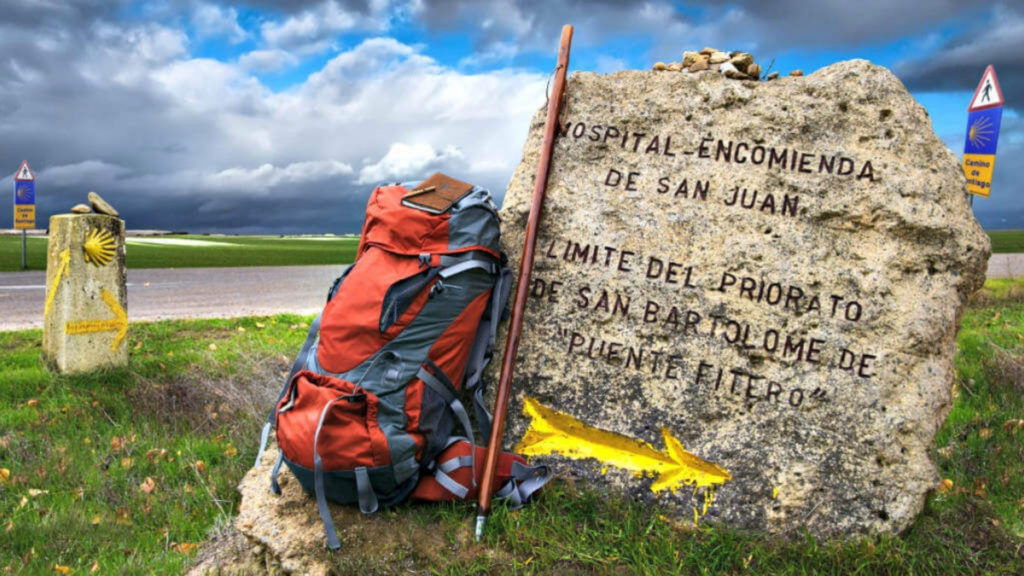
The architectural value of the Northern Way is characterized by a blend of industrial heritage, indiana architecture (mansions built by returning wealthy emigrants), and religious monuments. Below, we detail the main points of cultural interest that the route crosses.
- Casco Viejo and Guggenheim (Bilbao): A contrast between the old town with its traditional Basque architecture and contemporary industrial regeneration.
- Collegiate Church of Santa Juliana (Santillana del Mar): A Romanesque collegiate church, and the best-preserved one in Cantabria.
- El Capricho de Gaudí y Palacio de Sobrellano (Comillas): Palacio modernista y con arquitectura de los indianos enriquecidos en América
- Historic Center of Llanes and Ribadesella: Asturian coastal urban design with a historical connection to fishing ports.
- Catedral de Santa María (Mondoñedo): Catedral románica, gótica y barroca, es sede episcopal histórica de la región.
- Monastery of Santa María (Sobrado dos Monxes): A key Cistercian monastery in the final stretch before merging with the French Way in Arzúa.