What Is the Camino de San Salvador and What Is Its Historical Origin?
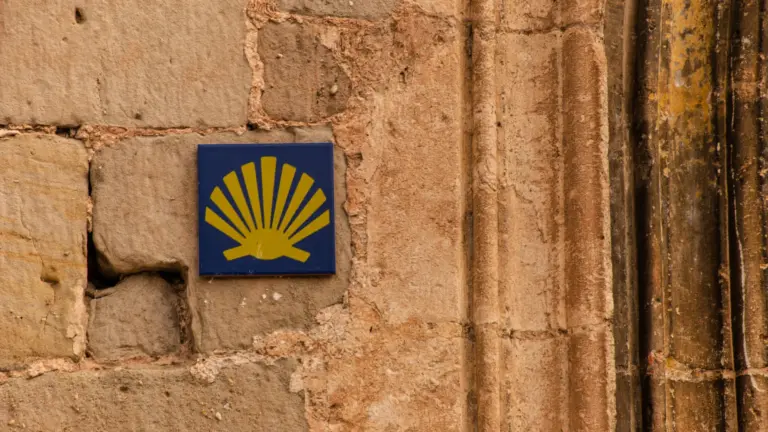
The Camino de San Salvador is a Jacobean route that connects the city of León with Oviedo, spanning approximately 120 kilometers of mountain terrain. The origin of this route dates back to the Early Middle Ages, when pilgrims on the Camino Francés decided to detour north upon reaching León. These pilgrims were motivated by a desire to see the Oviedo Cathedral and venerate the relics of Christendom kept in its Holy Chamber (Cámara Santa), most notably the Holy Shroud. Furthermore, there is an old medieval song that says: “He who goes to Santiago and not to San Salvador, visits the servant and forgets the Lord.”
In the past, this route served as a bond of faith and commerce between the Kingdom of León and the Kingdom of Asturias. Pilgrims and merchants were forced to conquer mountain passes and endure the whims of the weather. Over time, the Camino Francés became established, and the route fell into obscurity. Thanks to the work of the Asturian and Leonese associations of friends of the Camino, the trail has been reborn, establishing itself as one of the favorite routes.
Route, Distance, and Kilometers: Stages of the Camino de San Salvador
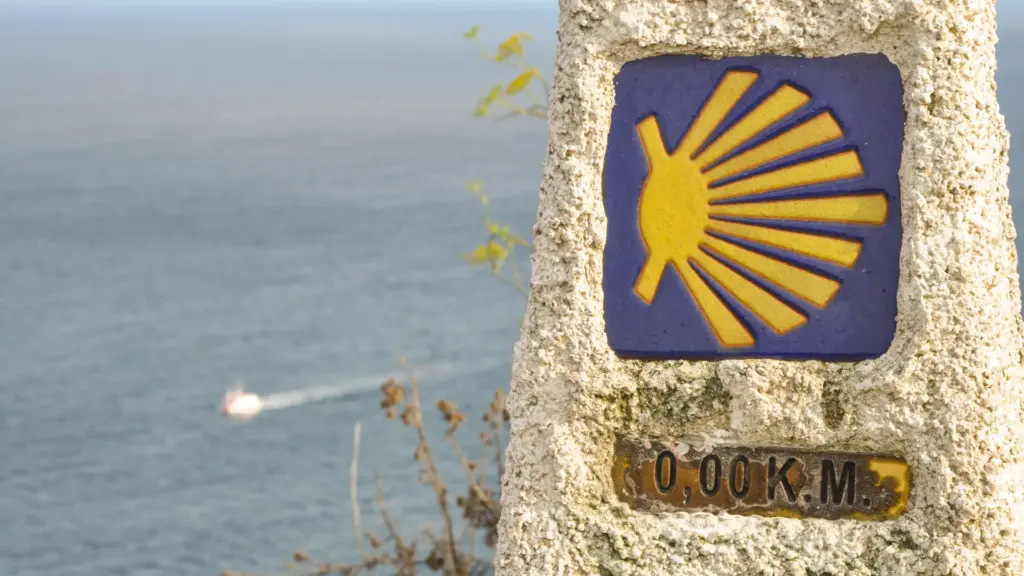
For cyclists looking to plan the route based on pure numbers, the traditional walking itinerary is divided into five stages. However, for cyclists, these distances are usually grouped into two or three stages, depending on their fitness level.
- Stage 1: León – La Robla (26 km)
- Stage 2: La Robla – Pola de Gordón (16 km)
- Stage 3: Pola de Gordón – Buiza – Pajares (26 km)
- Stage 4: Pajares – Pola de Lena (23 km)
- Stage 5: Pola de Lena – Mieres – Oviedo (31 km)
What Is the Infrastructure and Albergues Like on the Camino de San Salvador?
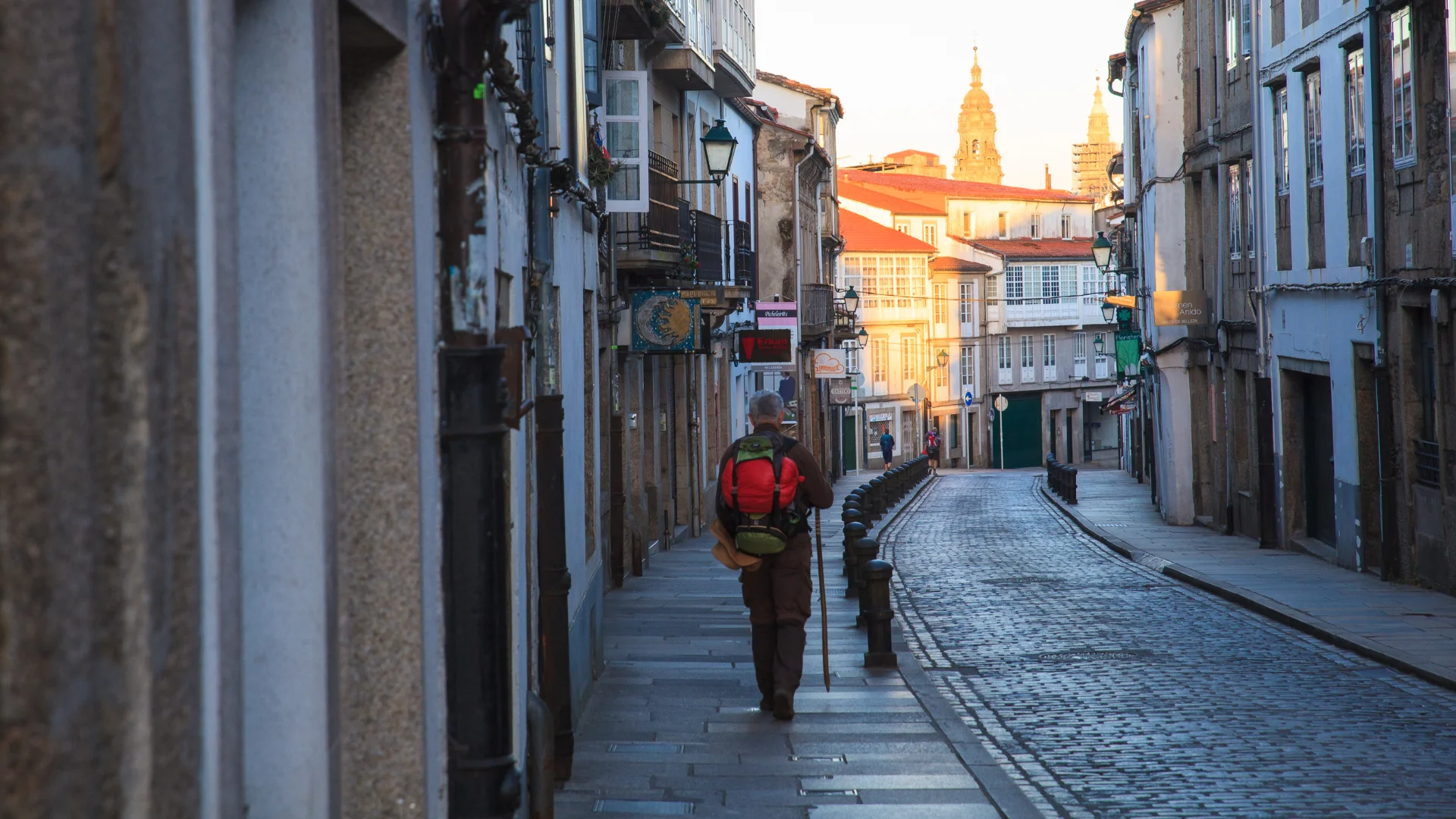
The service infrastructure on the Camino de San Salvador stands out for being austere, welcoming, and rural in character. You won’t find the density of private albergues, cafes, and shops that abound on more commercial routes. On this route, the hospitality of albergues run altruistically by local hospitaleros truly shines.
The logistics of the different albergues in the intermediate stages across the mountain range require planning. Since you will come across small villages with very few inhabitants, it is highly recommended to call the day before to confirm bed availability and ensure the hospitalero will be there.
The real challenge for the pilgrim lies in provisioning; crossing the mountain range means walking through areas with no shops, pharmacies, or water springs. Traversing these trails requires carrying sufficient water, energy bars, and some food.
Places and Monuments on the Camino de San Salvador
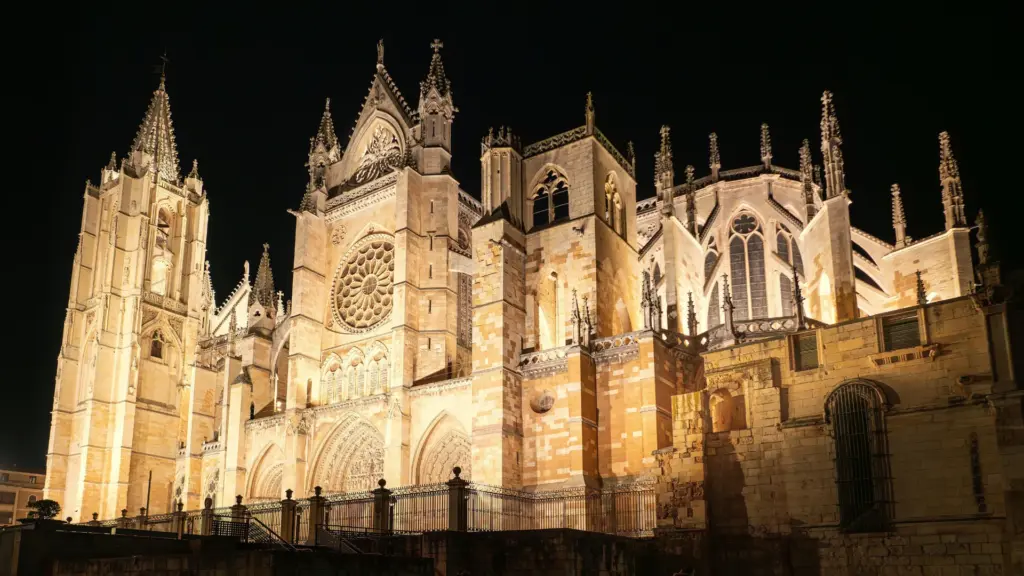
Walking the Camino de San Salvador means immersing yourself in medieval art and the roots of the northern Iberian Peninsula.
- Santa María de Regla Cathedral (León): The starting point of the Camino de San Salvador, a Gothic-style cathedral famous for the vibrant colors of its stained-glass windows.
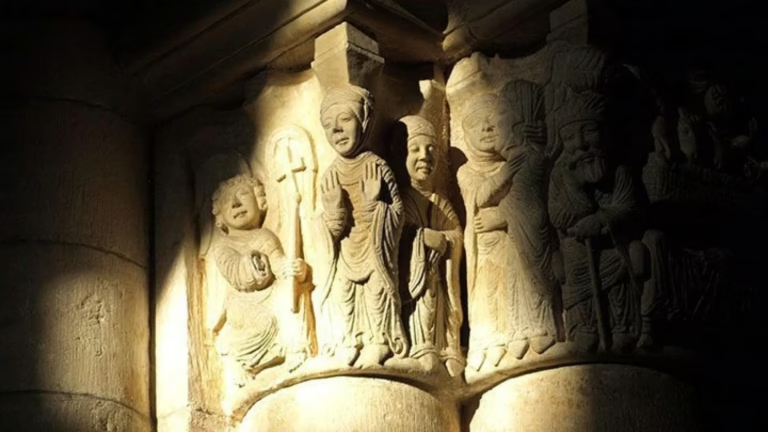
- San Isidoro Basilica (León): A Romanesque church that houses the Pantheon of the Kings, considered by historians to be the “Sistine Chapel” of Romanesque art.
- Ermita del Buen Suceso (Huergas de Gordón): Un santuario mariano del siglo XVIII situado en un entorno natural.
- Santa María de Arbas Collegiate Church (Arbas del Puerto): Located at the gateway to the Pajares Pass, this late 12th-century Romanesque church served as a hospital and refuge for medieval pilgrims.
- Santa Cristina de Lena Church (Lena): A masterpiece of 9th-century Asturian Pre-Romanesque art; a solitary church set in nature.
- San Salvador Cathedral (Oviedo): A Gothic building that houses the Holy Chamber (Cámara Santa).