What was the pilgrim’s will?
The pilgrim’s will was a last will and testament that pilgrims drew up before starting the Camino de Santiago. In this document, the pilgrim set out how their property was to be distributed in the event of death, and left instructions about their burial, their debts and their pious bequests.
Unlike other wills, the pilgrim’s will had a special character: it was drawn up at a time of uncertainty, with the awareness that the journey could be their last.
Historical origin of the pilgrim’s will
The origin of the pilgrim’s will goes back to the Middle Ages, when pilgrimages were at their height. It was a time when the roads were dangerous and diseases deadly, and pilgrims needed to put their affairs in order before setting out.
In addition, the Church recommended making a will before setting out on a long journey, and the civil authorities also advised it. Over time, the pilgrim’s will became a widespread custom.
Why did pilgrims make wills?
Pilgrims decided to make a will for different reasons, all of them related to the uncertainty of the journey.
- Fear of death: the Camino was full of dangers, and making a will was a way of preparing for the worst and not leaving matters unresolved.
- Protecting the family: by putting their wishes and the distribution of property in writing, conflicts between heirs were avoided and their loved ones were guaranteed to be provided for.
- Religious motive: many testamentary provisions included pious bequests, donations to the Church and alms to the poor, which served to ensure the salvation of the testator’s soul.
What did the pilgrim’s will contain?
The content of the pilgrim’s will varied depending on the pilgrim’s social status and their property, but they had common provisions. The first was the distribution of material goods: land, houses, money and personal objects. The pilgrim named their heirs and established what corresponded to each one.
In addition to property, the will included pious bequests: donations to churches, monasteries and pilgrim hospitals, alms to the poor and masses for the testator’s soul. It also included matters related to burial: where they wished to be buried, in what habit and what ceremonies were to be held.
The function of the pilgrim’s will on the Camino de Santiago
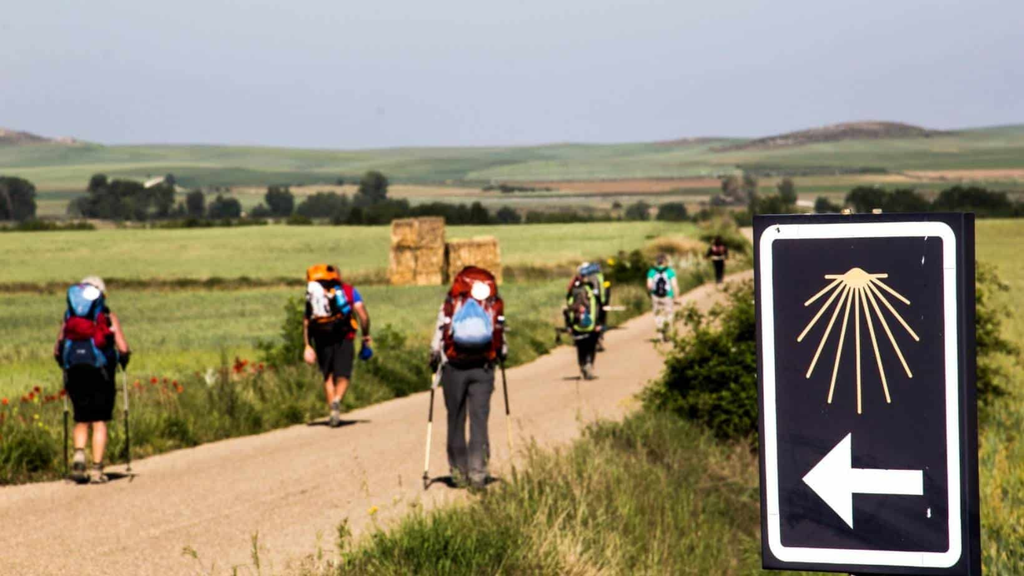
The pilgrim’s will performed different functions throughout the history of the Camino de Santiago. These were its main purposes:
- Legal protection of the family: It guaranteed that the pilgrim’s property was distributed according to their wishes, avoiding inheritance conflicts.
- Security for the pilgrim: It allowed them to set out with the peace of mind of having left their affairs in order.
- Financing of the pilgrimage: Some wills included donations to pay for the pilgrimage of others or for pilgrim hospitals.
- Suffrage for the soul: Pious bequests and commissioned masses served to ensure the testator’s salvation.
- Help for those in need: Alms to the poor and donations to hospitals contributed to sustaining Jacobean hospitality.
- Historical documentation: The preserved wills are a valuable source for learning about daily life, customs and beliefs.
Questions about the pilgrim’s will
Did all pilgrims make wills?
No. The will was more common among pilgrims with property to distribute, particularly among those of greater age or social status. The humblest pilgrims, with no property, often did not make a will, although they could leave verbal instructions or pious bequests.
What is the difference between a will and a codicil?
The will is the main document of last wishes, in which property is disposed of and heirs are named. The codicil is a complementary document that modifies or adds provisions to the will without revoking it completely. In the case of pilgrims, it was common to make a will before setting out and, sometimes, a codicil during the journey.