Who was Diego Gelmírez?
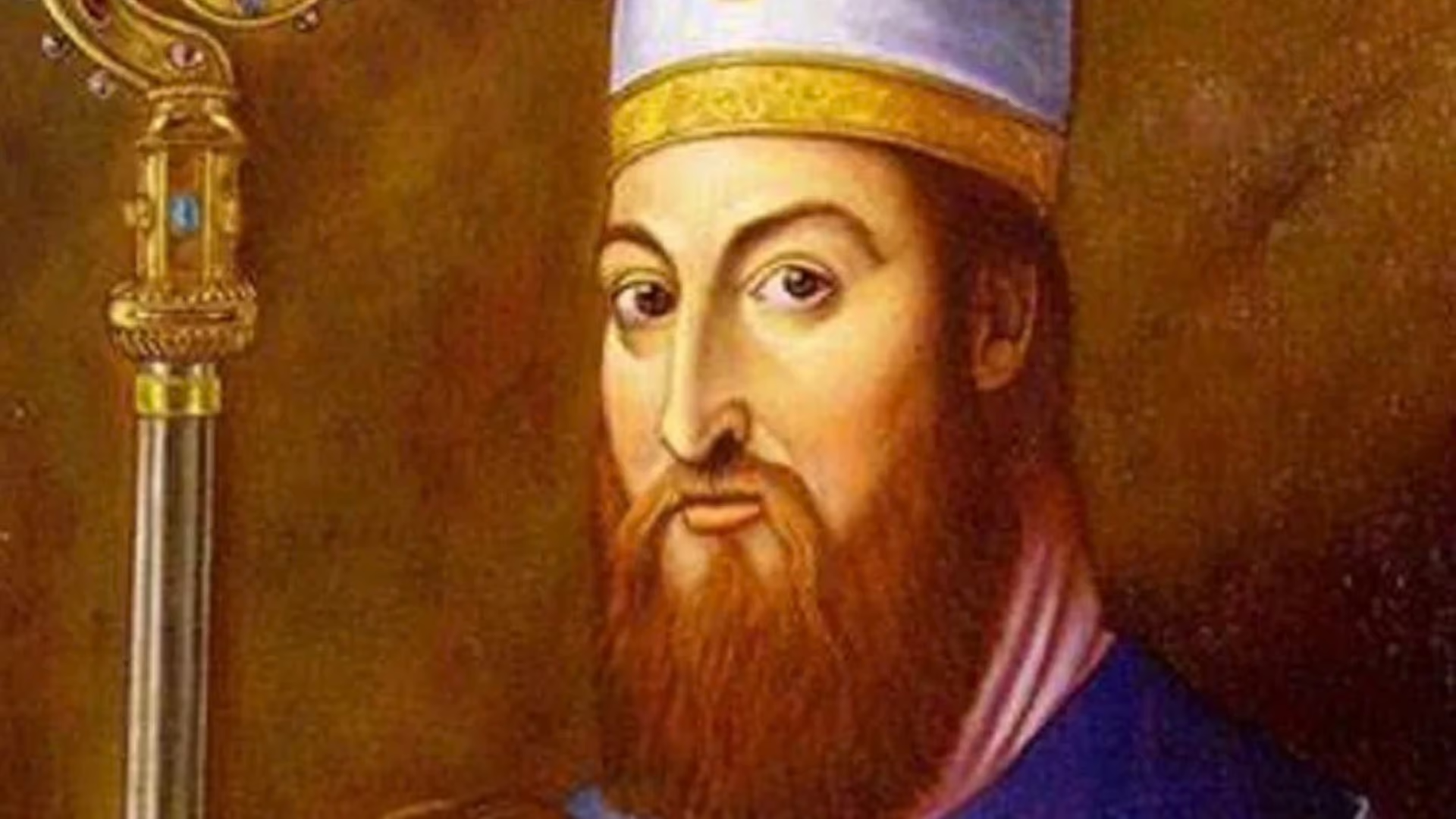
Diego Gelmírez was born in Galicia in 1065, into a noble family. In his youth he was linked to the Church of Compostela, and his ecclesiastical career was impressive. He was appointed bishop of Santiago in 1100 and, years later, in 1120, he managed to get Pope Callixtus II to raise the Compostelan see to the rank of archbishopric, becoming the first archbishop of Santiago.
Diego Gelmírez was a highly capable politician, an administrator and a patron of the arts. His main goal was to turn Santiago de Compostela into a centre of religious and political power, and into the most important pilgrimage destination in Europe.
Diego Gelmírez’s work in the Cathedral of Santiago
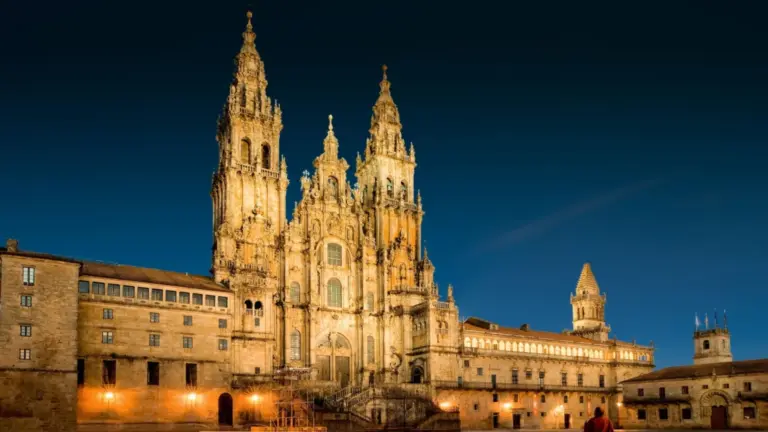
Diego Gelmírez’s most important work was the construction of the Cathedral of Santiago; thanks to his drive, the construction of the Romanesque cathedral began. Gelmírez hired the best masters of the time and financed the works with the resources of the diocese and with donations from kings and nobles.
Master Mateo worked under the orders of Diego Gelmírez. Thanks to Master Mateo we can admire the Pórtico de la Gloria, the jewel of the Cathedral. In addition, Diego Gelmírez promoted the construction of the Chapel of the Saviour, the bell tower and other cathedral dependencies. Thanks to him, Santiago de Compostela became one of the most impressive monumental ensembles of medieval Europe.
Diego Gelmírez and the promotion of the Camino de Santiago
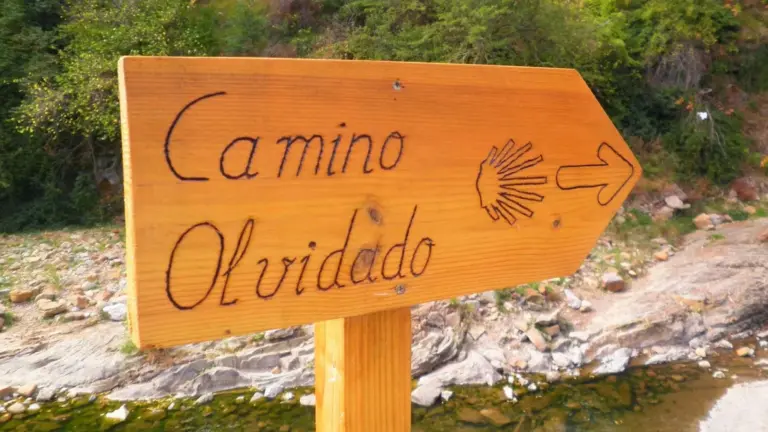
Diego Gelmírez devoted great efforts to promoting pilgrimage to Santiago de Compostela. He promoted the creation of a network of hospitals and hostels along the Camino, to help the pilgrims arriving in Compostela.
Gelmírez promoted the spread of the cult of the Apostle Santiago and the publication of texts that spread the story. During his time in office, the “Historia Compostelana” was written, a chronicle that recounts Diego’s life and the history of the Compostelan see.
Diego Gelmírez’s archbishopric and his political influence
Diego Gelmírez, besides being archbishop, was a leading politician in medieval Spain. His relationship with the kings of Castile and León was complex: he supported Alfonso VI, but he also clashed with Queen Urraca, with whom he had a conflict over the control of Galicia.
The bull of 1120, granted by Pope Callixtus II, meant the independence of the Compostelan Church from the metropolis of Braga and the elevation of Santiago to an archbishopric. This event marked a before and after in the history of Galicia and in the Compostelan see.
Diego Gelmírez’s legacy on the Camino de Santiago
Thanks to Diego Gelmírez and his drive, Santiago de Compostela became one of the most important pilgrimage centres in Christendom. His great work for pilgrimage and the development of a network of hospitals and hostels helped to lay the foundations of Jacobean hospitality, which still exists today.
Diego Gelmírez left his mark on the culture and politics of Galicia. He is remembered as the archbishop who turned Santiago into the centre of the world, and his name is linked to some important monuments in the city.
Frequently asked questions about Diego Gelmírez
Why is he so important to the history of Galicia?
Gelmírez is a key figure in the history of Galicia because he achieved the independence of the Compostelan Church and the elevation of Santiago to an archbishopric. His political and religious work consolidated the city’s power and its role as a pilgrimage centre.
Where is Diego Gelmírez buried?
Diego Gelmírez is buried in the Cathedral of Santiago de Compostela, in the Chapel of Saint Bartholomew, next to the cloister. His tomb, in the Gothic style, is one of the most notable features of the temple.