Who were the false pilgrims?
The false pilgrims were people who pretended to be pilgrims, with the aim of taking advantage of the privileges and hospitality of the Camino de Santiago. Some were simply idlers or beggars looking for free food and lodging, but others were thieves, swindlers or spies in the service of enemy kingdoms.
The differences between a genuine pilgrim and a false one were difficult to establish:
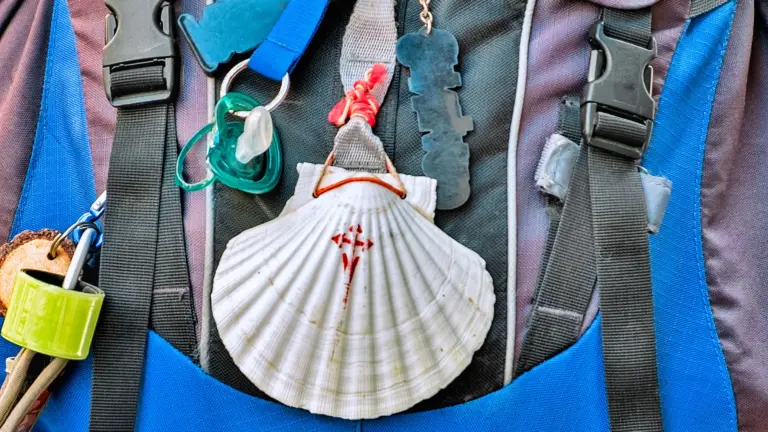
- The genuine pilgrim travelled for religious reasons, wore the pilgrim’s clothing and symbols, and also carried a credential or letter of recommendation.
- The false pilgrim imitated those external signs in order to deceive the hospitals and the authorities.
Why did false pilgrims exist on the Camino de Santiago?
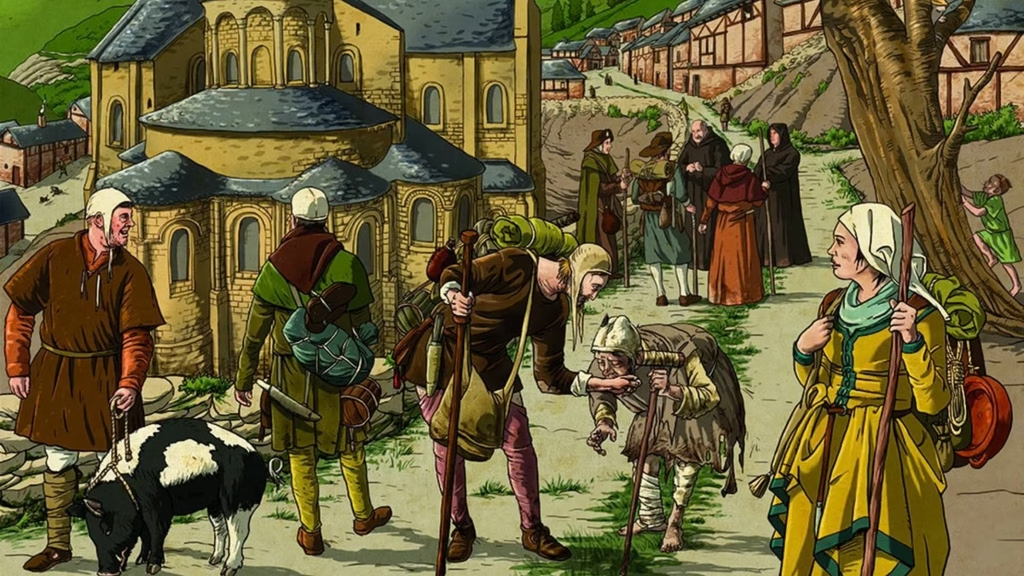
The main reason false pilgrims existed was the free hospitality of the Camino de Santiago. The hospitals and hostels along the route cared for pilgrims without charging them, and provided them with food, a bed and care. Many people without resources pretended to be pilgrims in order to survive without working.
The Camino was a route for the transit of people and goods, and false pilgrims took advantage of it to swindle, rob or commit other crimes. Some wanted to get close to genuine pilgrims in order to rob them, and others used the excuse of pilgrimage to spy on enemy territories.
The methods of the false pilgrims
The false pilgrims developed a wide variety of methods to deceive the hospitaleros and the authorities:
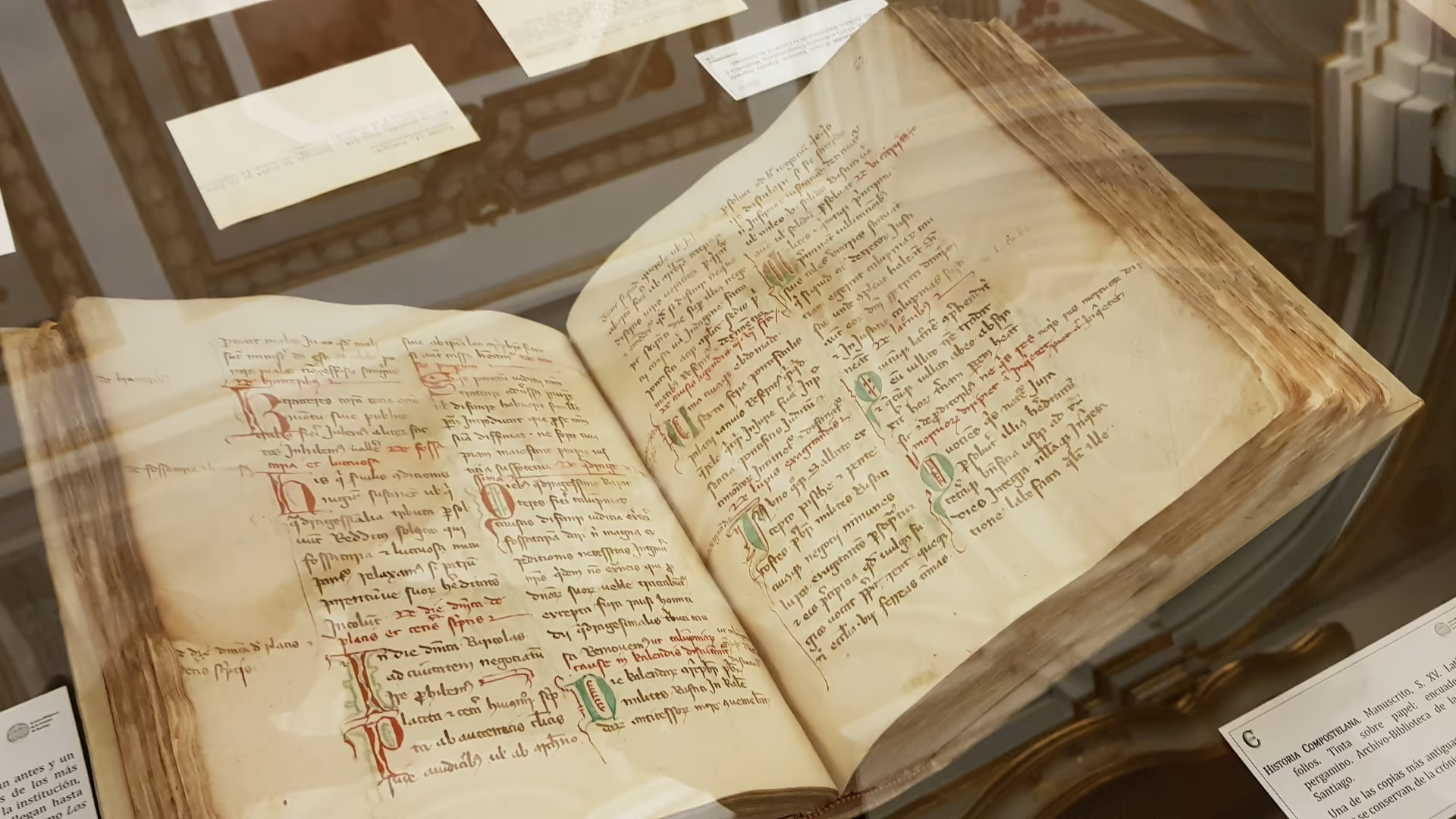
- Forgery of credentials and letters of recommendation: The documents that certified pilgrim status were forged.
- Disguise as pilgrims: They dressed in the typical clothing of pilgrims and carried identifying Jacobean symbols.
- Simulation of illnesses or disabilities: Some pretended to be sick or injured in order to obtain help.
- Robbery of other pilgrims: They approached pilgrims in order to steal their belongings.
- Espionage: Some acted as spies in the service of enemy kingdoms.
- Organised begging: Groups of false pilgrims who organised themselves to beg along the Jacobean routes.
How were false pilgrims detected?
The authorities and the hospitaleros developed different methods to identify them. One of the most common was surveillance in the hospitals and hostels: the hospitaleros observed the pilgrims’ behaviour and questioned them to check the authenticity of their pilgrimage.
Controls were also set up at borders and mountain passes, where false pilgrims could be arrested and interrogated. In addition, the ecclesiastical and civil authorities collaborated to exchange information about known impostors.
The punishments for false pilgrims

The punishments for false pilgrims were harsh, and could vary depending on the seriousness of the acts and the authority judging them. Here are the most common ones:
- Religious penances: False pilgrims could be forced to perform public penances and to ask for forgiveness.
- Financial fines: Financial fines were imposed, which they had to pay as compensation for the damage caused.
- Exile: They could be expelled from the city or the territory where they committed the deception.
- Corporal punishment: Sometimes physical penalties were applied.
- Prison: In serious cases they could be imprisoned.
- Galleys: False pilgrims who had committed serious crimes could be sentenced to row in the king’s galleys.
Historical examples of false pilgrims
Throughout history, different cases of false pilgrims have been documented. These are some of the best known:
- The false pilgrim of León (14th century): A man who pretended to be a pilgrim in order to steal from the hospitals along the route.
- The band of false pilgrims of Burgos (15th century): An organised group that devoted itself to swindling pilgrims.
- The French spy (17th century): A false pilgrim who was arrested in Santiago accused of spying for France.
- The beggars of the cathedral (18th century): False pilgrims who settled at the church doors to beg for alms.