Why were epidemics on the Camino de Santiago so frequent in the Middle Ages?
Epidemics on the Camino de Santiago were frequent in the Middle Ages for various reasons:
- Overcrowding: thousands of pilgrims travelled the routes, stayed in the same hostels and shared cramped spaces, which made it easier for diseases to spread. The lack of hygiene in the various services, where the sanitary conditions of today did not exist.
- The constant flow of people and goods. The Camino was a trade route along which products, animals and travellers from all over Europe moved. Diseases travelled with them and spread through the villages and cities along the route. In addition, the medicine of the time was unaware of the causes of many illnesses.
Saint Anthony’s fire: the ergotism epidemic on the Camino de Santiago
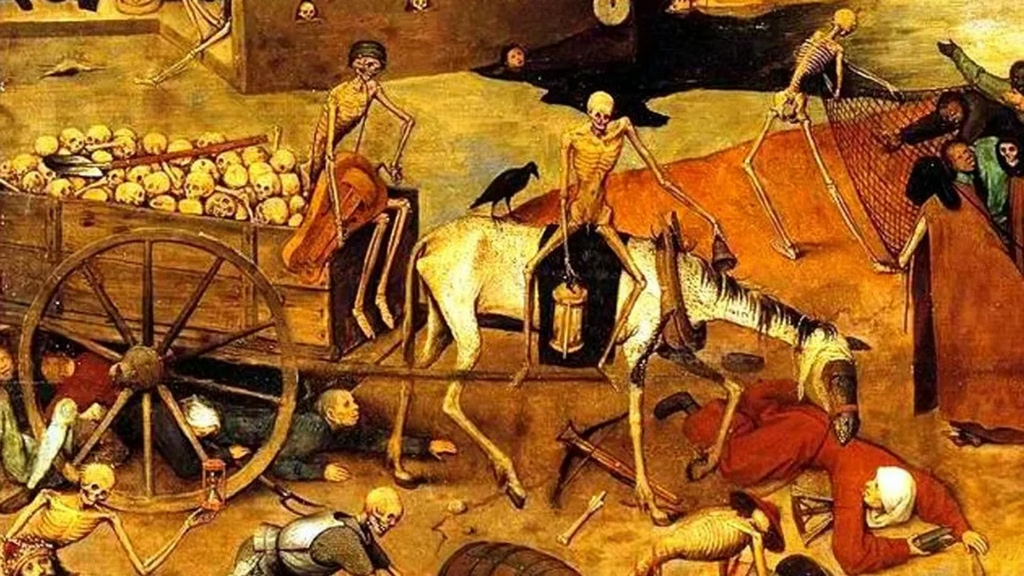
Saint Anthony’s fire, popularly known as ergotism, was one of the most devastating epidemics on the Camino de Santiago. The disease was caused by eating rye contaminated with ergot (a fungus that produces toxic substances). Pilgrims who ate rye bread in poor condition were especially vulnerable.
Ergotism had different symptoms: convulsions, hallucinations, gangrene in the limbs and a burning pain. Many pilgrims died or were left mutilated. The Order of Saint Anthony specialised in this disease, and its hospitals were known as Antonian hospitals.
Leprosy on the Camino de Santiago
Leprosy was another major epidemic, although less contagious. The fear of contact and the social stigma surrounding the disease turned it into a health and social problem. Pilgrims who contracted leprosy were isolated and confined to leper hospitals, where they received basic care.
The Fuero of Viguera and Val de Funes, one of the oldest legal codes on the Camino, established measures for the isolation of lepers and the protection of the healthy. Leprosy is now eradicated in Europe, although it left its mark on the history of the Camino.
The Black Death on the Camino de Santiago
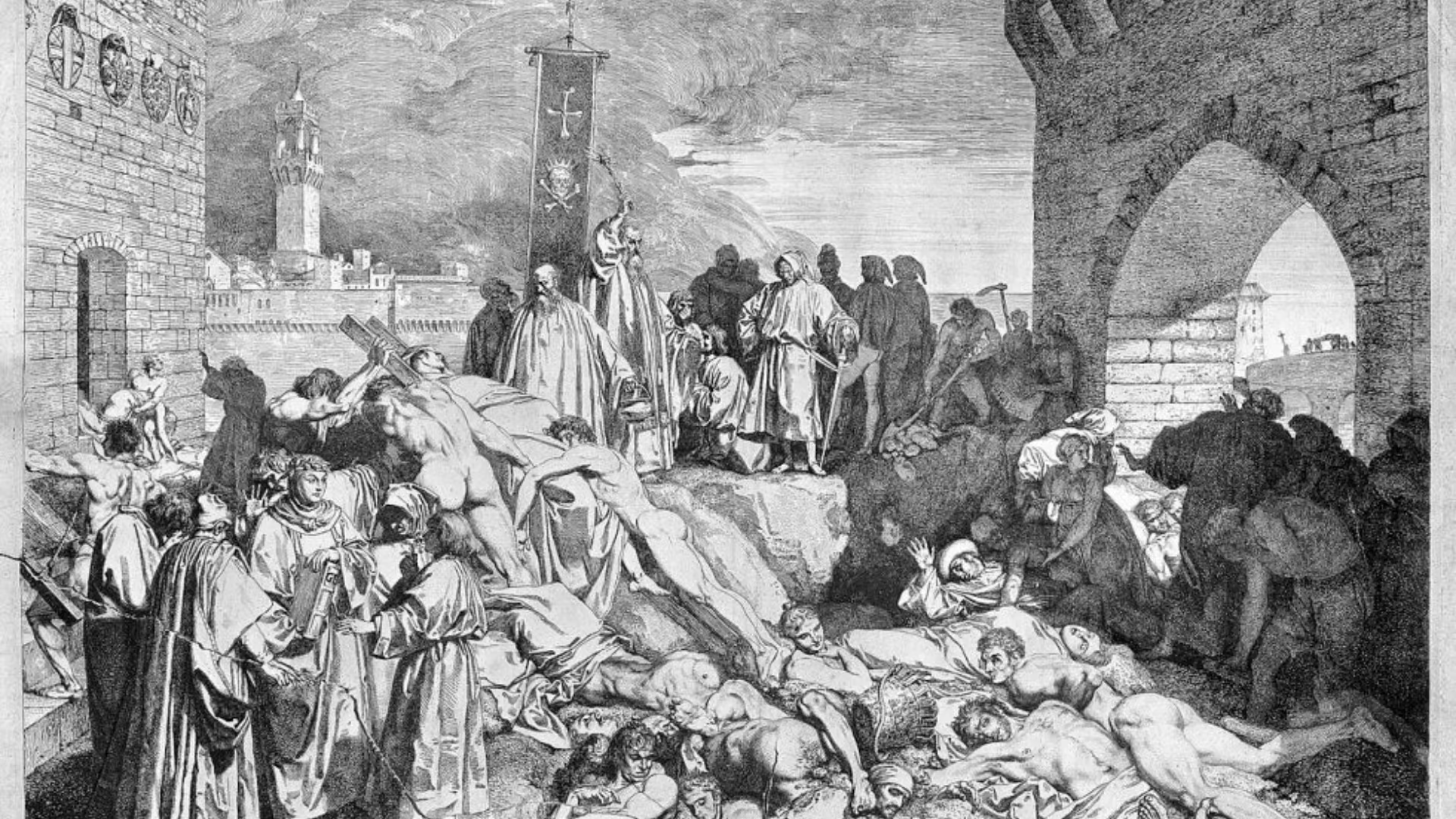
The Black Death, which devastated Europe in 1348, was the deadliest epidemic in the history of the Camino de Santiago. The disease reached the Iberian Peninsula through Mediterranean ports and spread along the Jacobean routes. Thousands of pilgrims and locals died.
Pilgrimage came to a halt in various places, and many hospitals were overwhelmed. The authorities of the time adopted drastic measures, such as closing borders and banning pilgrimages, to slow the spread of the disease.
Other epidemics on the Camino de Santiago
In addition to the epidemics already mentioned, other diseases affected the Camino de Santiago in the Middle Ages. These were the most frequent:
- Dysentery: Caused by drinking contaminated water, it was common among pilgrims who drank from springs and rivers.
- Typhus: Transmitted by lice and fleas, it spread in the hostels.
- Tuberculosis: Although less epidemic, it affected the most weakened pilgrims.
- Smallpox: It left its mark on the route, particularly in the settlements that welcomed pilgrims.
- Measles: A disease that affected pilgrims and the communities along the route.
Measures for the prevention and sanitary control of epidemics on the Camino de Santiago
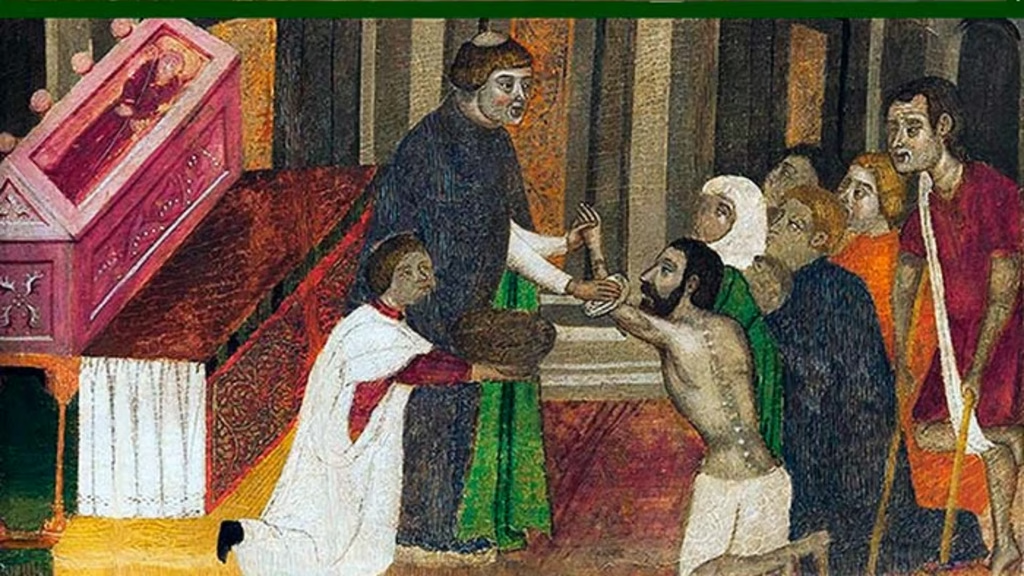
Prevention measures against epidemics on the Camino de Santiago in the Middle Ages focused on avoiding contagion and maintaining hygiene:
- Washing hands and body frequently: A basic hygiene measure recommended to pilgrims.
- Not sharing utensils or clothing: To avoid the transmission of infectious diseases.
- Cleaning and ventilating hostels and hospitals: To keep spaces free of contagion.
- Burning the clothing and belongings of the sick: To avoid spreading the disease.
Epidemic control on the Camino de Santiago included some drastic measures:
- Isolation of the sick: Lepers and plague victims were separated from the healthy and confined to leper hospitals or lazarettos.
- Surveillance of the sick: To control the movement of people and detect possible infections.
- Controls at borders and ports: Entry was forbidden to travellers coming from infected areas.
- Rogations and processions: Religious events were organised to ask for divine intercession.