Why were Rome, Jerusalem and Santiago the three great pilgrimage destinations?
Rome, Jerusalem and Santiago were the three great pilgrimage destinations of Christendom.
- Jerusalem was the city where Christ had lived, preached and died, and where the Holy Sepulchre and Calvary were located.
- Rome was the see of the apostles Peter and Paul, and the centre of the Church’s spiritual power.
- Santiago was the tomb of the Apostle Santiago, the brother of John and evangeliser of Hispania.
These destinations shared certain characteristics that made them the main pilgrimage centres:
- They all had the recognition of the Church, which granted indulgences to those who visited them.
- They were all linked to the life of Christ or of the apostles.
- They all generated pilgrimage routes and networks of hospitals and hostels to care for pilgrims.
The pilgrimage to Jerusalem: the goal of the Holy Places
The first pilgrimage destination of Christendom was Jerusalem. From the earliest centuries of Christianity, believers travelled to Jerusalem to visit the places where Christ had lived. These pilgrimages were interrupted during the Roman persecutions, but resumed with vigour after the conversion of Constantine.
In the Middle Ages, the pilgrimage to Jerusalem experienced its heyday. The fall of Jerusalem into Muslim hands in 1187 and the failure of the Crusades dealt a harsh blow to these pilgrimages, which never regained their former splendour.
The pilgrimage to Rome: the city of the apostles
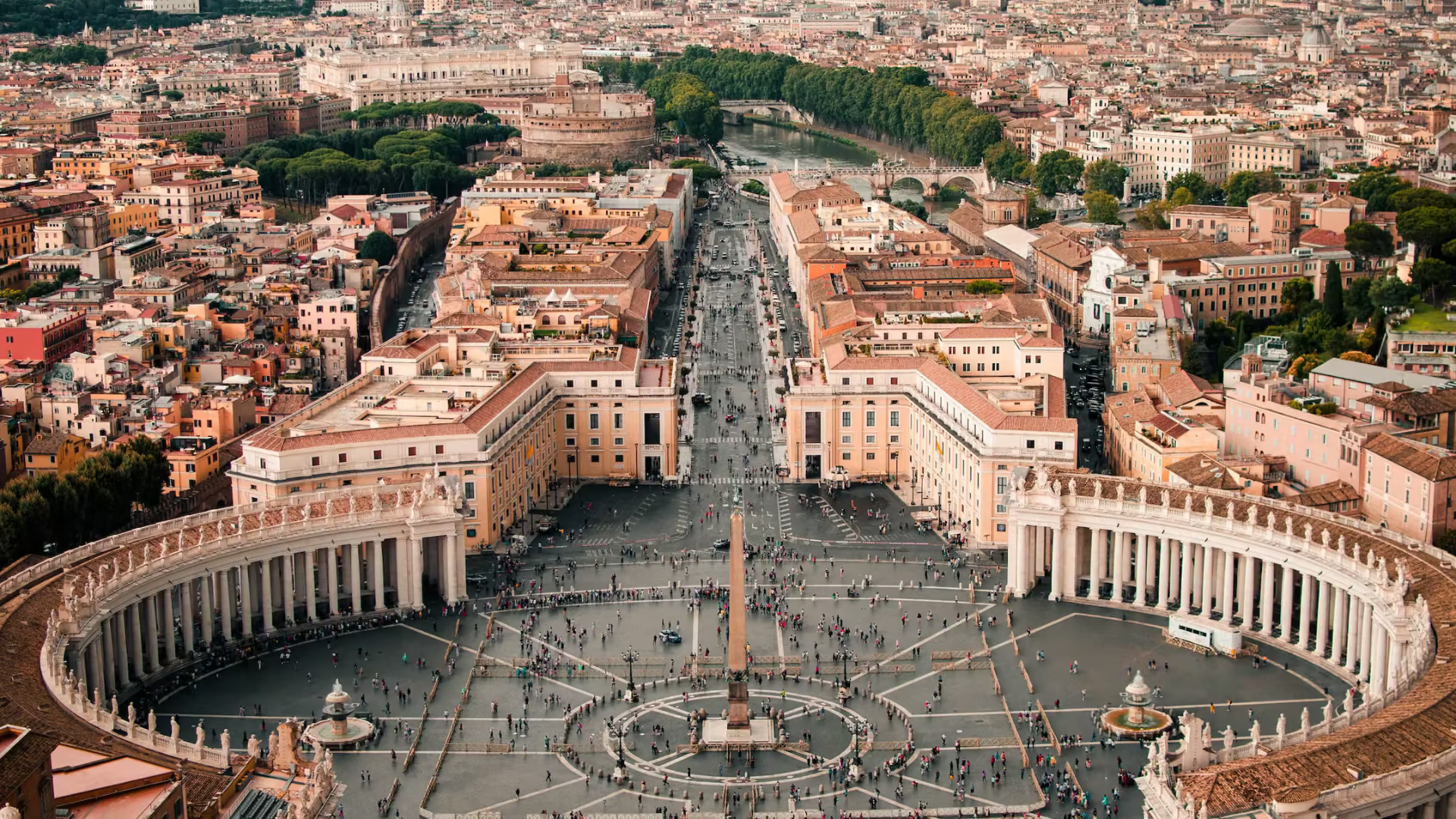
Rome is considered the second great pilgrimage destination of Christendom. The city holds the tombs of Peter and Paul, the two pillars of the Church, and the seat of the papacy. During the first centuries of Christianity, believers made pilgrimages to Rome to venerate the relics of the apostles and obtain indulgences.
In the Middle Ages, pilgrimage increased with the creation of the Roman Holy Year, which is celebrated every 25 years and granted plenary indulgences to those who visited the city. Pilgrimage to Rome was less dangerous than that to Jerusalem, and it maintained its popularity for centuries.
The pilgrimage to Santiago: the Way of the Stars
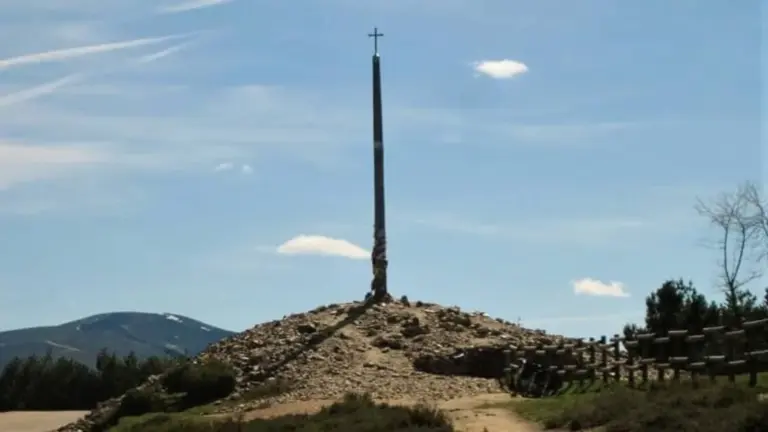
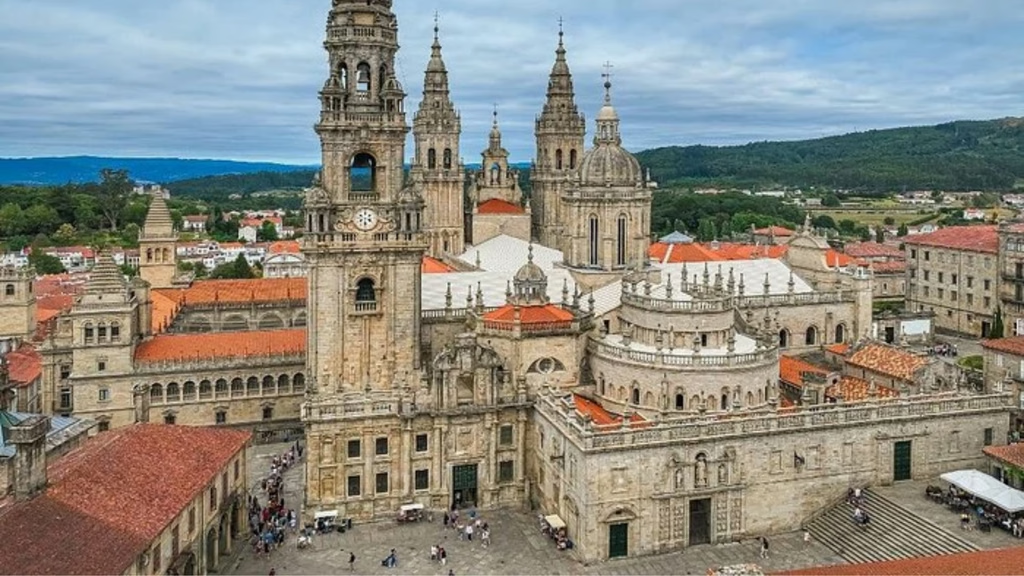
Santiago was the third great destination of Christendom. The city holds the tomb of the Apostle Santiago, and its discovery in the 9th century turned Compostela into a leading pilgrimage centre. Kings and bishops promoted the creation of the Jacobean routes and of a network of hospitals and hostels.
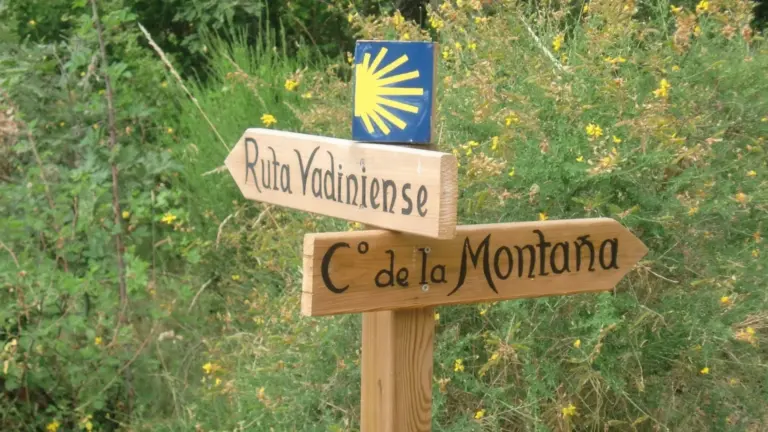
The Camino de Santiago became a major European phenomenon. The military orders (Templars and Knights of Santiago) protected pilgrims and managed the hospitals along the route. Pilgrimage to Santiago is still alive today, and thousands of people walk the Camino every year.
Questions about Rome, Jerusalem and Santiago

Which of the three pilgrimages was the most important in the Middle Ages?
All three were important, but Santiago was the most popular during the Middle Ages, especially from the 12th century onwards. Jerusalem was the most prestigious because of its link with Christ, and Rome was the most accessible and the most institutional.
Can all three pilgrimages be done today?
Yes. Today all three routes can be walked: the Camino de Santiago, the Via Francigena to Rome and the roads of the Holy Land to Jerusalem. All three pilgrimages are still alive and attract thousands of people every year.
What indulgences were obtained at each destination?
Indulgences varied depending on the destination and the period. The pilgrimage to Jerusalem granted a plenary indulgence, as did the visit to the Roman basilicas in the Holy Year. In Santiago, the indulgence was obtained by visiting the Cathedral in a Compostelan Holy Year and fulfilling the established requirements.