The background to the archbishopric see of Santiago de Compostela
In the past, the Church of Compostela depended on the metropolis of Braga. This dependence was a source of conflicts and tensions, since the bishops of Santiago aspired to have autonomy and to consolidate their power in the north-west of the Iberian Peninsula. This situation goes back to Roman and Visigothic times, when Braga was the ecclesiastical capital of Gallaecia.
After the discovery of the tomb of the Apostle Santiago in the 9th century, the story changed. The city became a pilgrimage centre, and its bishopric acquired great importance. However, it continued to depend on Braga, while the Compostelan see wanted to become an autonomous Church of higher rank.
The role of Diego Gelmírez in the creation of the archbishopric see of Santiago de Compostela
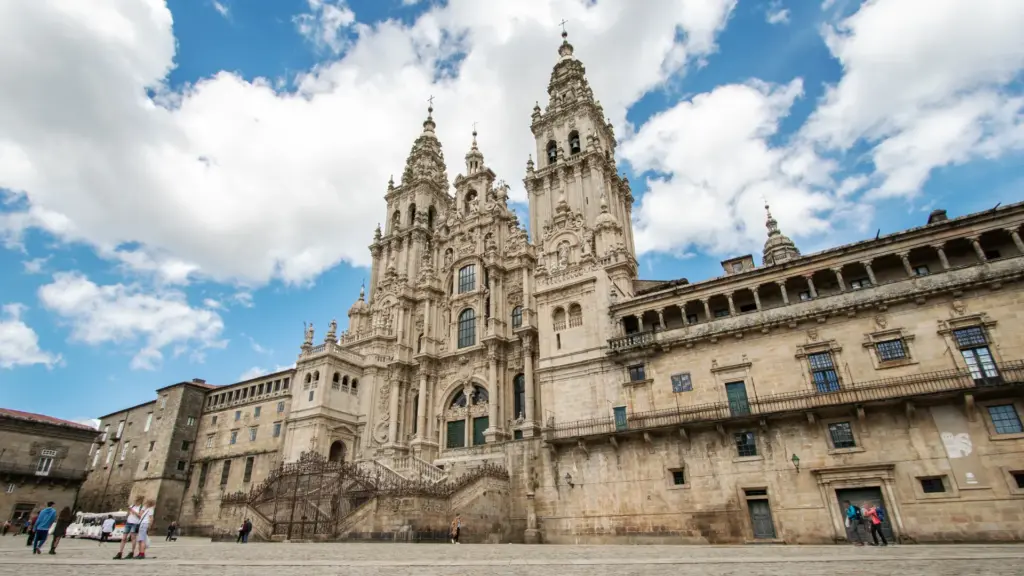
Diego Gelmírez was the architect behind the creation of the archbishopric see of Santiago de Compostela. He was appointed bishop in 1100, and from then on he set out to turn Compostela into an independent Church. To achieve this, he made use of his diplomatic skill and his influence at the court of the kings of Castile and León.
Gelmírez travelled to Rome to negotiate with the papacy the elevation of the Compostelan see. The main aim was to obtain independence from Braga and the rank of archbishopric. In 1120 Gelmírez achieved his goal: Pope Callixtus II raised the Compostelan see to an archbishopric, and Gelmírez became the first archbishop of Compostela.
The bull of Callixtus II and the creation of the archbishopric see of Santiago de Compostela
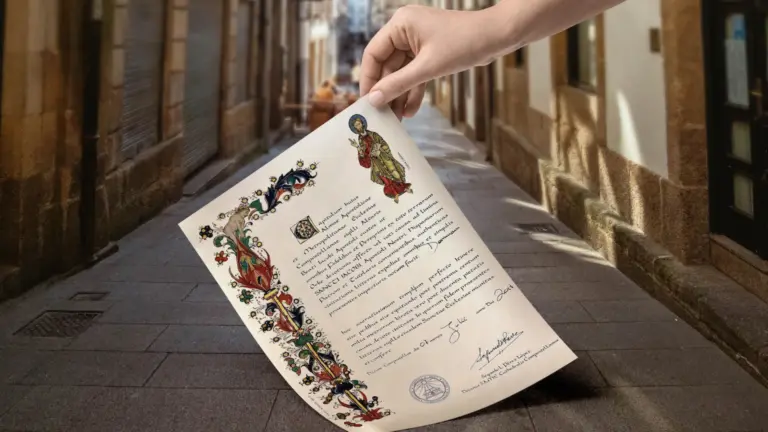
The bull of 1120, granted by Pope Callixtus II, was the document that created the archbishopric see of Santiago de Compostela. In it, the pope raised the Compostelan see to the rank of archbishopric and declared it independent of the metropolis of Braga.
The bull had various legal and religious consequences. On the one hand, it meant the independence of the Compostelan Church. On the other hand, it consolidated the power of Gelmírez and his successors, and reinforced the role of Santiago de Compostela as a pilgrimage centre.
The consolidation of the archbishopric see of Santiago de Compostela
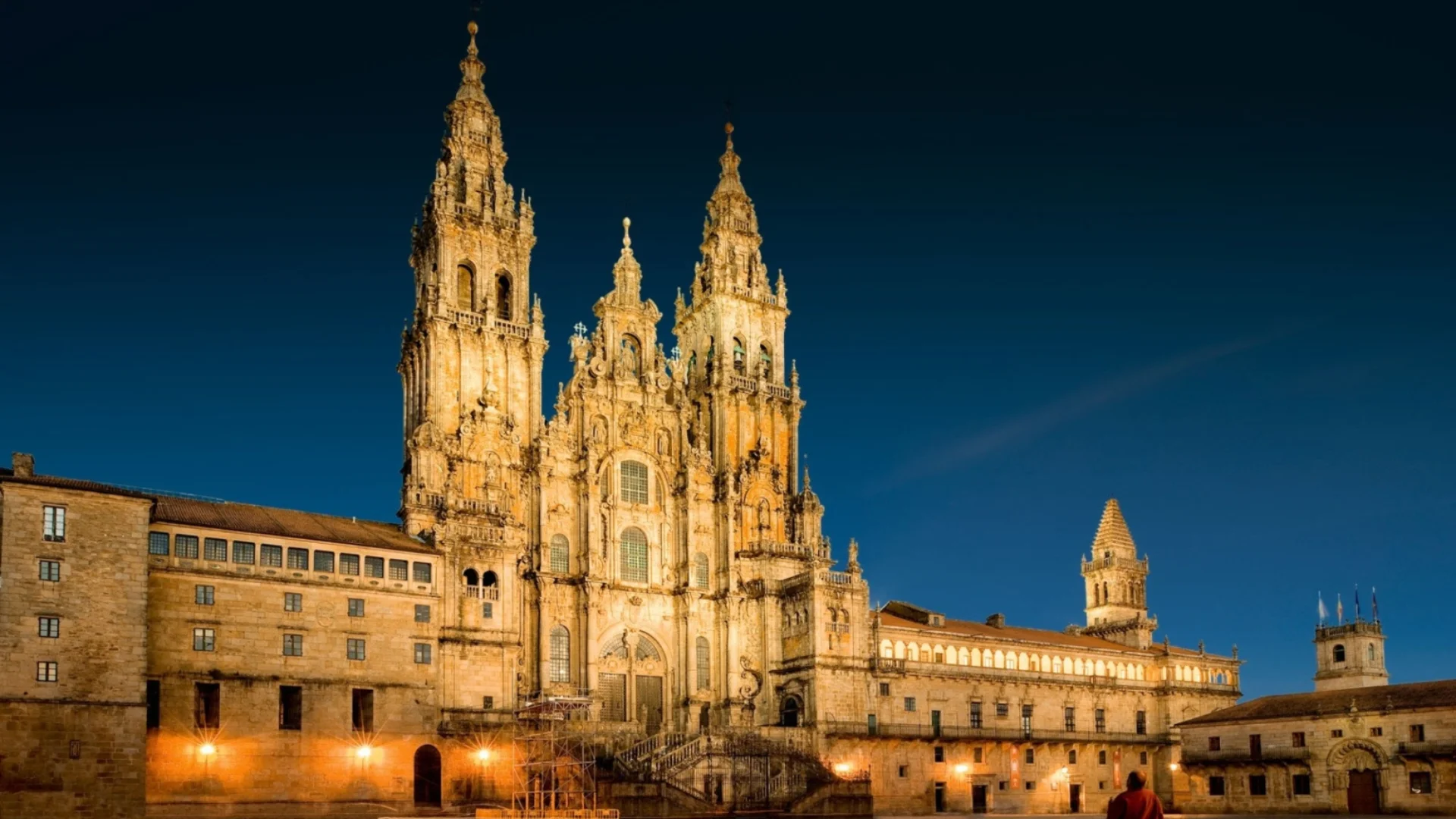
After its creation, the Compostelan see consolidated itself as one of the most important on the Iberian Peninsula. The kings of Castile and León, as well as the papacy, supported the Compostelan see and granted it new privileges and donations. The city grew and its Cathedral became one of the artistic and religious centres of Europe.
The expansion of pilgrimage and the Jacobean cult consolidated the archbishopric see. Thousands of pilgrims arrived every year. The archbishopric see became the pillar of pilgrimage and the institution that organised hospitality on the Camino de Santiago.
The importance of the archbishopric see of Santiago de Compostela on the Camino
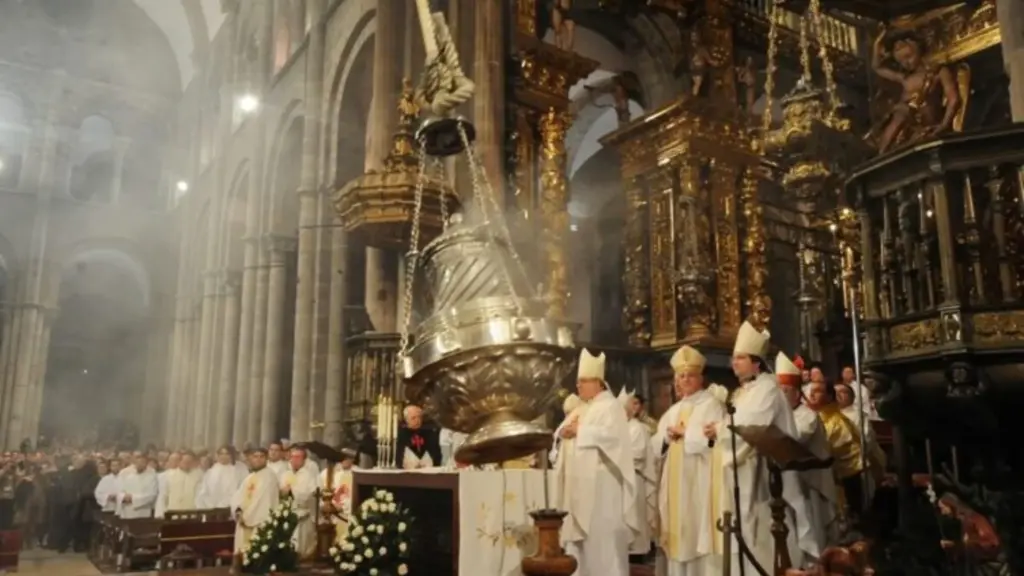
The creation of the archbishopric see of Santiago de Compostela was a pillar in the development of the Camino de Santiago. The independence of the Compostelan Church reinforced Santiago’s role as a pilgrimage centre.
In addition, the archbishopric see promoted the creation of a network of hospitals and hostels along the Camino. Its work was essential for the growth of pilgrimage and for shaping the Camino as we know it today.
Questions about the archbishopric see of Santiago de Compostela
What was the importance of the bull of 1120?
The bull of 1120 was the document that created the archbishopric see of Santiago de Compostela. It meant the independence of the Compostelan Church and its equal standing with other archbishopric sees of Christendom, and it consolidated the power of Gelmírez and his successors.
Who was the first archbishop of Santiago de Compostela?
The first archbishop of Santiago de Compostela was Diego Gelmírez, who until then had been bishop of the city. Gelmírez was the driving force behind the creation of the archbishopric see and the architect of its independence from Braga.