Why do signposting errors occur on the Camino de Santiago?
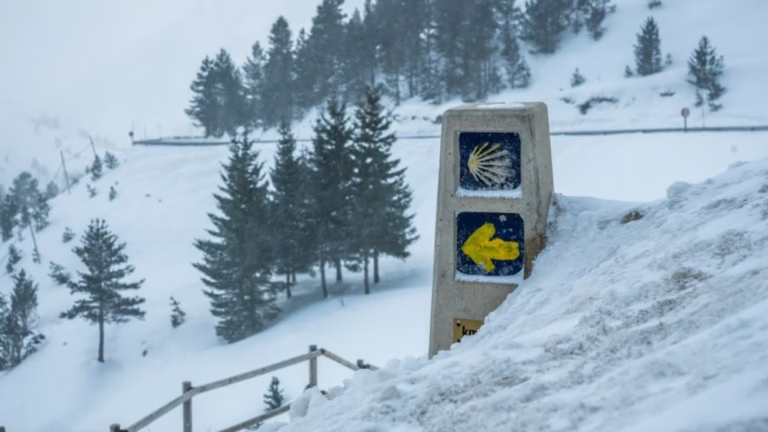
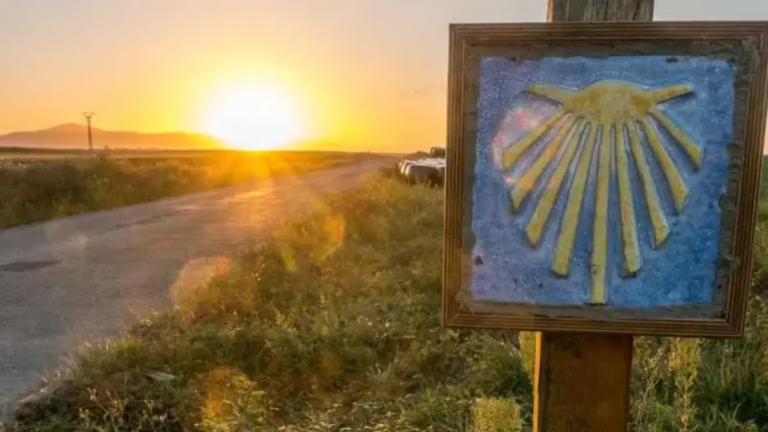
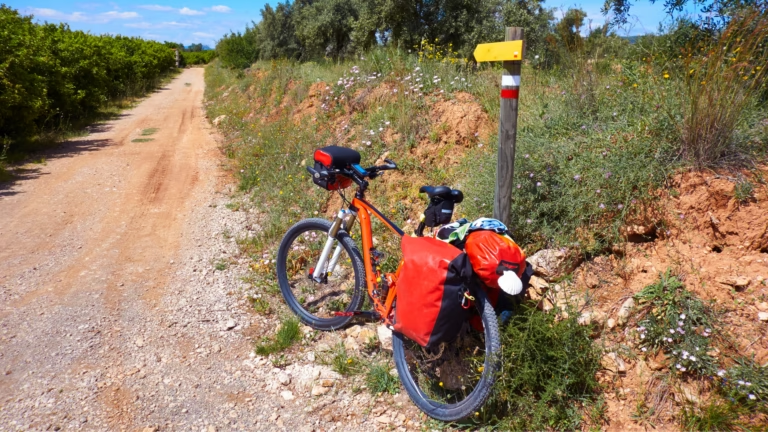
The main cause of signposting errors is the lack of a single body that manages the Camino de Santiago. Each autonomous community, each province and each municipality has authority over the sections that cross its territory, which leads to differences in signposting criteria and maintenance. What in one area is a yellow arrow, in another may be a stone marker or a metal plaque.
To these problems, you have to add vandalism and natural deterioration. The arrows fade with rain and sun, the markers fall over or are stolen, and the plaques disappear. In addition, we can find urban sections, where the signposting becomes very confusing.
The most common signposting errors on the Camino de Santiago
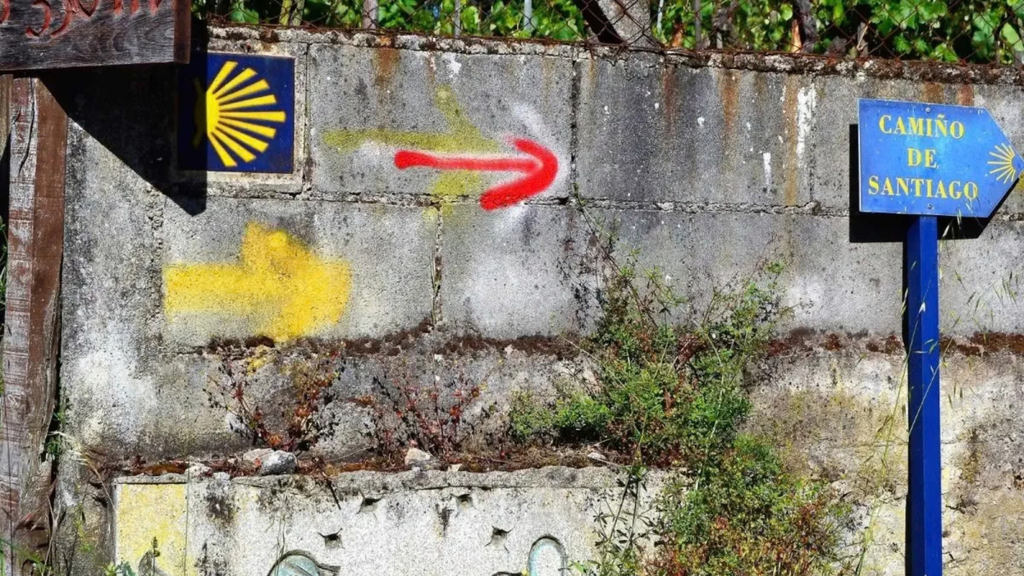
Yellow arrows painted in contradictory directions
One of the most common errors is finding yellow arrows pointing in opposite directions. This situation occurs when an old arrow is not erased properly and another is painted over it, or when, by mistake or vandalism, an arrow is painted in the opposite direction. If you find yourself in a similar situation, the best thing to do is consult a map or ask another pilgrim.
Stolen, erased or deteriorated signs
The most common thing is to find sections where the arrows have disappeared, either because they have been stolen or because they have faded over time. Markers are also stolen, specifically those with historical or decorative value.
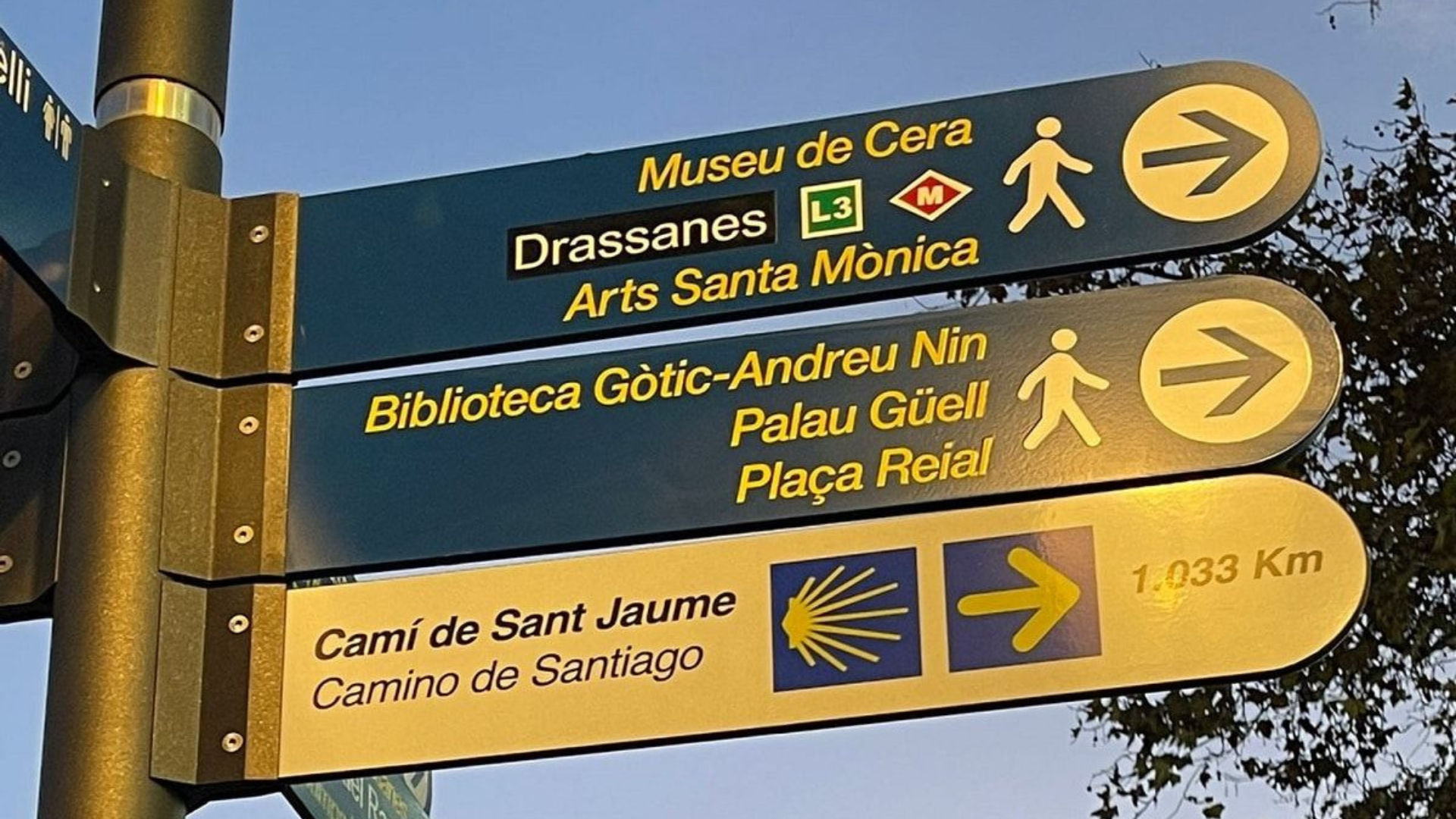
Excessive or confusing signposting in urban sections
In cities, the accumulation of signs, tourist indications and yellow arrows can lead to confusing navigation. The best thing to do in these situations is to look for the most recent sign and, if in doubt, follow the direction indicated by the largest number of signs.
Signposting problems by route
Camino Francés: the section between Sarria and Santiago
The section between Sarria and Santiago is one of the most crowded on the Camino Francés, and also one of those with the most signposting problems. Such crowding causes very rapid wear, and such a flow of people causes confusion at crossroads. In addition, in some villages, the signposting competes with tourist information, which makes navigation difficult.
Camino del Norte: signposting in coastal areas
The Camino del Norte presents specific problems because of its coastal route. You can find sections where the route forks towards the beach or inland, and the signposting is not clear. In addition, rain and humidity deteriorate the signs very quickly, and the wind knocks down the markers.
Camino Portugués: the Portuguese section and the border
The Camino Portugués has very variable signposting. In Portugal, the yellow arrows coexist with other signposting systems, and at certain points along the route it is poorly marked. The border between Portugal and Galicia is another problematic point: the transition between countries can create doubts.
The role of associations and authorities in signposting
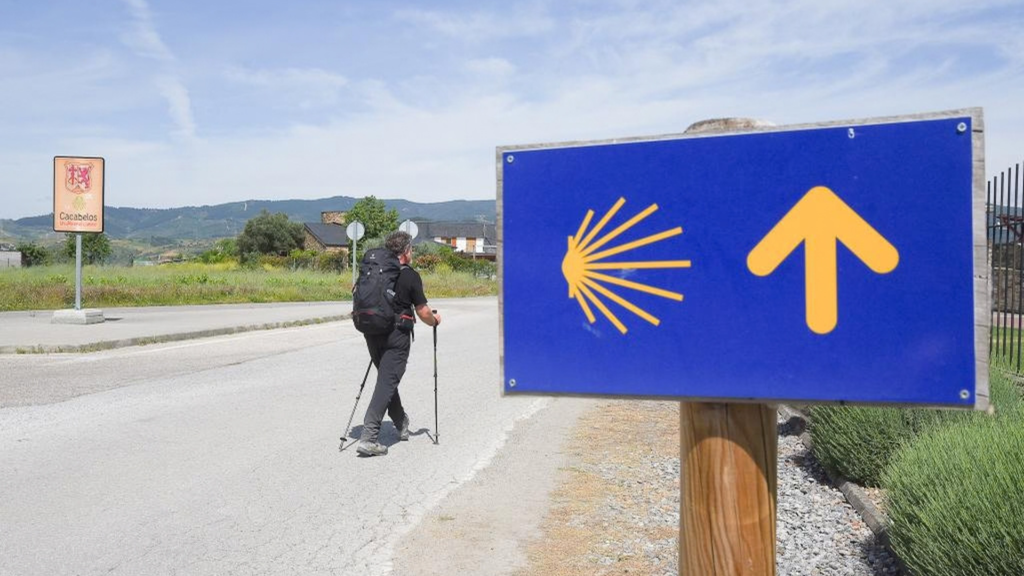
The Associations of Friends of the Camino de Santiago are responsible for maintaining the signposting. Volunteers walk the routes and repaint arrows, place markers and repair deteriorated signs. Without the work of the volunteers, the Camino would be very difficult to follow.
Public authorities have responsibilities for signposting, although their involvement is uneven. Some autonomous communities have created specific plans for signposting the Camino, while others barely invest in its maintenance.
Frequently asked questions about signposting errors on the Camino de Santiago
What should I do if I get lost on the Camino de Santiago?
The first thing is to stay calm and retrace your steps to the last reliable sign. Check the map or the navigation app to orient yourself, and if necessary, ask the locals or other pilgrims. If you are in an area with no signal, look for a high point or a nearby road.
Are the yellow arrows always reliable?
In general yes, but not always. The yellow arrows may be faded, badly painted or pointing in contradictory directions. It is advisable to combine them with other signs (markers, plaques) and with maps or offline apps to make sure you are following the correct route.
Can I report a signposting error?
Yes. You can report the error to the association of friends of the Camino in your province or to the competent authority. The associations welcome this kind of notice because it helps them keep the routes in good condition. You can also report it on collaborative apps such as Wikiloc.