What is the Atlantic Way?
The Atlantic Way is a linear and coastal Jacobean route that covers approximately 210 kilometers. This route starts at the foot of the mythical Tower of Hercules and ends at the Sanctuary of the Virxe da Barca, in Muxía. One of the main characteristics of this itinerary is that it acts as an integral marine connector, linking the regions of Bergantiños, Terra de Soneira, and the edges of the Costa da Morte.
Although you won’t cross major mountain passes, the Galician coast is an extreme and continuous “leg-breaker.” The paths alternate between hard-packed forest tracks, technical dirt sections, and secondary roads. It is also necessary to factor in two important elements: the high chance of rain and the persistent Atlantic headwind.
What is the origin of the Atlantic Way?
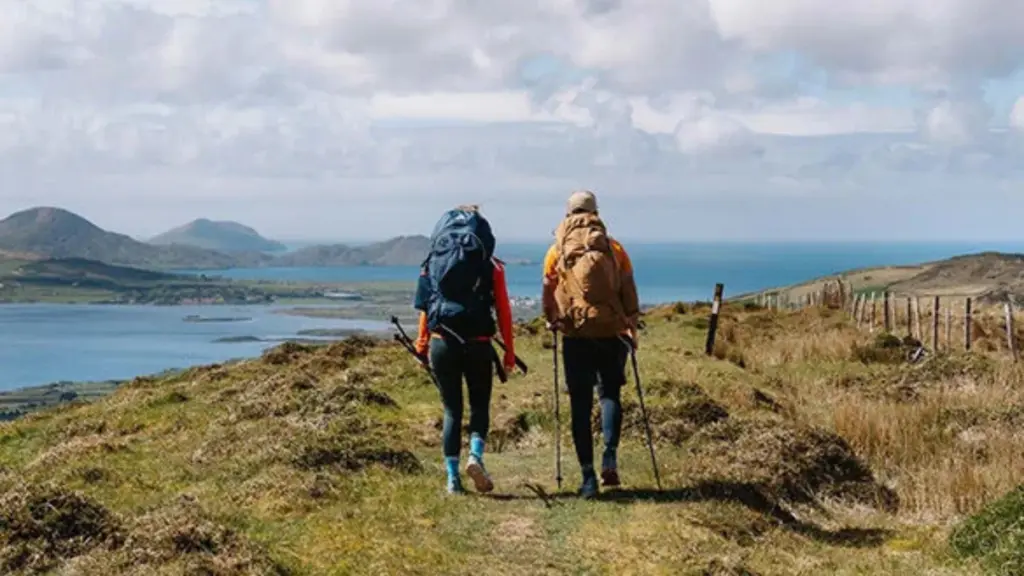
The origin of the Atlantic Way dates back to medieval navigation. Between the 12th and 15th centuries, ships loaded with pilgrims from England, Ireland, Brittany, and Scandinavian countries would dock at the port of A Coruña after harsh days on the open sea. Many pilgrims made vows that included visiting the Marian sanctuaries built along the coasts.
This route was protected by feudal lords and monks, who created a network of small pilgrim hospitals and Romanesque temples to shelter visitors. In addition, the Atlantic Way utilized ancient pre-Christian routes of the Celtic peoples.
Route, distances, and kilometers: The stages of the Atlantic Way
The itinerary of the Atlantic Way is quite demanding and is broken down into 11 official stages, which connect the city of A Coruña with Muxía.
- Stage 1: A Coruña – Arteixo (17 km)
- Stage 2: Arteixo – Caión (11 km)
- Stage 3: Caión – Carballo (21 km)
- Stage 4: Carballo – Malpica de Bergantiños (21 km)
- Stage 5: Malpica de Bergantiños – Corme (27 km)
- Stage 6: Corme – Laxe (19 km)
- Stage 7: Laxe – Arou (18 km)
- Stage 8: Arou – Camariñas (23 km)
- Stage 9: Camariñas – Vimianzo (18 km)
- Stage 10: Vimianzo – Quintáns (15 km)
- Stage 11: Quintáns – Muxía (18 km)
What is the infrastructure of hostels and services like on the Atlantic Way?
The Atlantic Way is a quiet and uncrowded route where the infrastructure offers a friendly, personal touch. You will find public hostels and private options at key locations. For cyclists, it is recommended to look for accommodations with the Bike-Friendly seal, as it guarantees locked garages, cleaning hoses, and repair tools.
Speaking of services, we find a well-supplied route when crossing towns with a great seafaring tradition. Furthermore, the hospitality of the local people towards pilgrims is second to none, making the trip smoother and enhancing its overall quality.
Places and monuments of the Atlantic Way
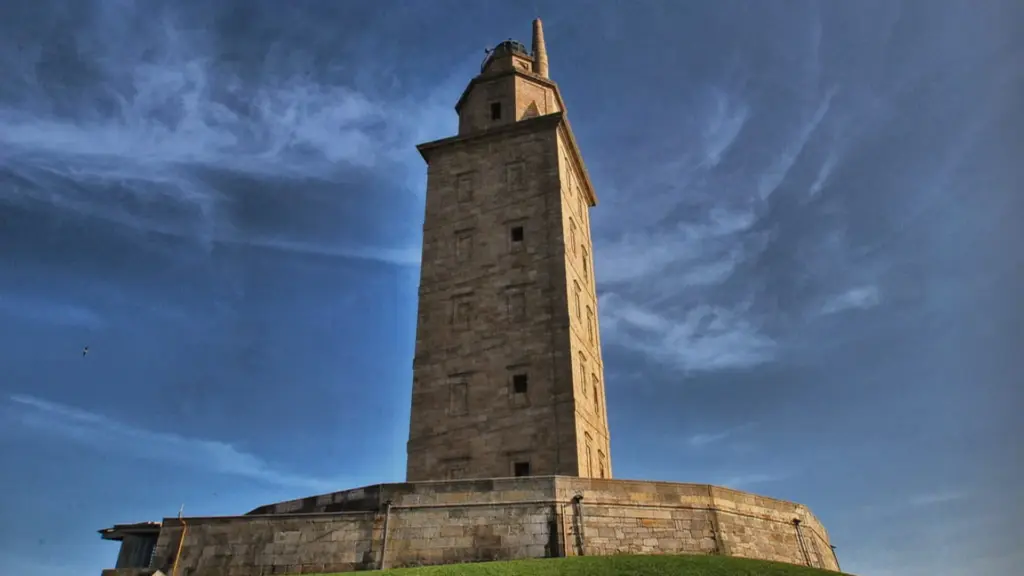
Although the Atlantic Way is not extremely long, it is a route packed with monuments and heritage landmarks that you discover as you make your way through the stages.
- Tower of Hercules (A Coruña): The oldest active Roman lighthouse in the world and a World Heritage Site, marking the starting point of the journey.
- Sanctuary of Our Lady of Pastoriza (Arteixo): A medieval temple of great Marian devotion.
- Sanctuary of the Miracles of Caión: A temple perched over the sea that offers spectacular views of the start of the coastal route.
- Pazo de Vilardefrancos (Carballo): A pazo (manor house) of fortified Galician stately architecture featuring a 12th-century defensive tower.
- Hermitage of San Adrián (Malpica): A small chapel situated on a cape, from where you can look out at the Sisargas Islands.
- Punta Nariga Lighthouse (Malpica): A modern architectural lighthouse built on rocks that look like the bow of a sinking ship.
- Castro de Borneiro (Cabana de Bergantiños): An Iron Age archaeological site showcasing the fortified dwellings of the ancient Galician inhabitants.
- Vimianzo Castle: A 14th-century medieval fortress, preserved with its two crenellated towers, moat, and courtyard.
- Vilán Lighthouse (Camariñas): One of the most imposing lighthouses, a historic landmark that watches over the waters of the Costa da Morte (Coast of Death).
- Sanctuary of the Virxe da Barca (Muxía): A Baroque church built upon wave-swept granite, the place where legend says the Virgin Mary landed in a stone boat to encourage the Apostle James.