Gastronomy of the French Camino de Santiago in Navarre
Navarre is the first gastronomic area of the French Camino de Santiago; its cuisine combines the tradition of the Pyrenees with the market garden of the Ebro, and offers pilgrims a variety of flavours.
- Piquillo peppers from Lodosa. Piquillo peppers are grown in the Ebro valley and have a fleshy texture and a sweet, smoky flavour that makes them special. They are commonly eaten roasted, stuffed, or with olive oil.
- Txuleta and grilled meats. The star dish of Navarrese meats. It consists of a beef chop, grilled over embers and served rare, with coarse salt. It is a hearty dish, perfect for regaining strength after a long stage.
- Idiazábal cheese and cuajada. Idiazábal is the most famous cheese of Navarre; it is made with Latxa sheep’s milk and has an intense, smoky flavour. On the other hand, cuajada is a traditional dessert made with sheep’s milk, served with honey and sugar.
Gastronomy of the French Camino de Santiago in La Rioja
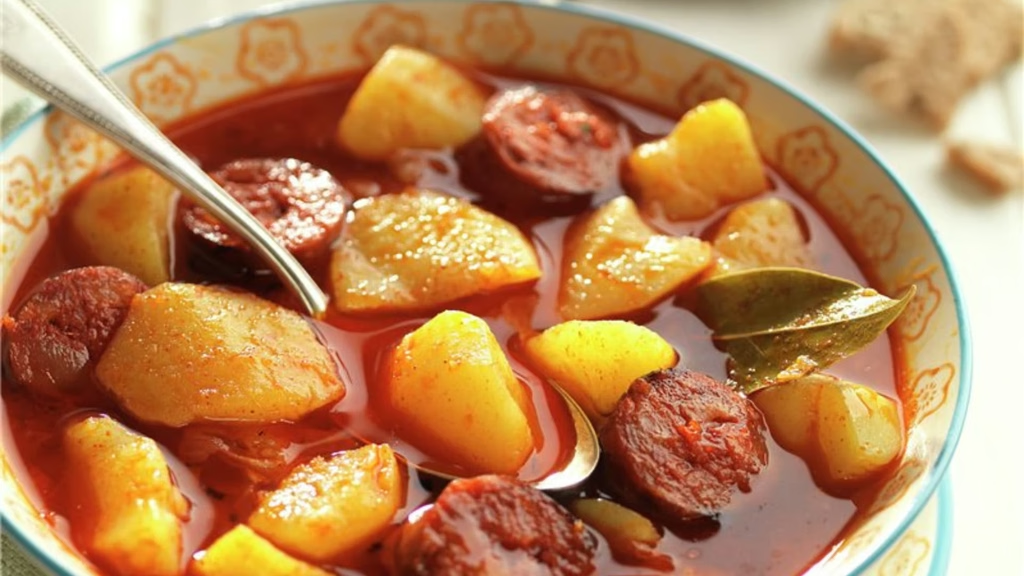
La Rioja, with its garden produce, its sausages and its traditional sweets, makes this area a mandatory stop for any pilgrim.
- Rioja wines. Rioja wines have a qualified designation of origin. They are made with Tempranillo grapes and are characterised by their balance and their capacity for ageing.
- Patatas a la riojana. This is the most traditional dish of the area. It is made with potatoes, chorizo and choricero pepper, and is cooked slowly until the potatoes are tender and the broth is thick.
- Rioja chorizo and sausages. Rioja chorizo is made with pork, paprika and garlic, and is cured in the air for months. You can also find other sausages such as morcilla, salchichón or ham, which you can try in any bar or restaurant.
- Sweets: San Millán pastries and sponge cakes. Confectionery linked to monasteries has a great tradition in La Rioja. San Millán pastries, made with almond and egg. Sponge cakes, ideal to accompany coffee or as a snack.
Gastronomy of the French Camino de Santiago in Burgos and Palencia
The Castilian plateau area offers flavourful cuisine, based on local produce and the finest quality meats.
- Morcilla de Burgos. Morcilla is one of the most famous sausages nationwide. It is made with pig’s blood, onion and rice, and is characterised by its soft texture and flavour. It can be eaten in various ways: fried, grilled or in a sandwich.
- Roast suckling lamb and suckling pig. Suckling lamb is roasted in a wood-fired oven, leaving it tender and juicy inside and crispy outside. Suckling pig is quite similar in terms of preparation.
- Sheep’s cheeses and Ribera del Duero wine. These cheeses are very popular for their intense flavour and texture. Ribera del Duero wine is the best accompaniment to any meal, made with Tempranillo grapes.
- Garlic soups and ajoarriero. Garlic soups are a humble dish, made with bread, garlic, paprika and broth. On the other hand, ajoarriero is a cod stew with potatoes, garlic and paprika.
Gastronomy of the French Camino de Santiago in León and La Maragatería
The area of León and La Maragatería offers mountain cuisine full of flavour; it is the best area to try spoon dishes and cured meats.
- Cocido maragato in Astorga. The most emblematic dish of the region. It is served in the reverse order of other cocidos: first the meats, then the chickpeas and finally the soup.
- Sausages from León. This area is famous for its sausages; cecina, morcilla and chorizo are the most famous. They are ideal to accompany with a good wine from the area.
- Wines from Tierra de León. These wines are of great quality and are made with Prieto Picudo grapes, producing fresh and fruity wines.
Gastronomy of the French Camino de Santiago in El Bierzo
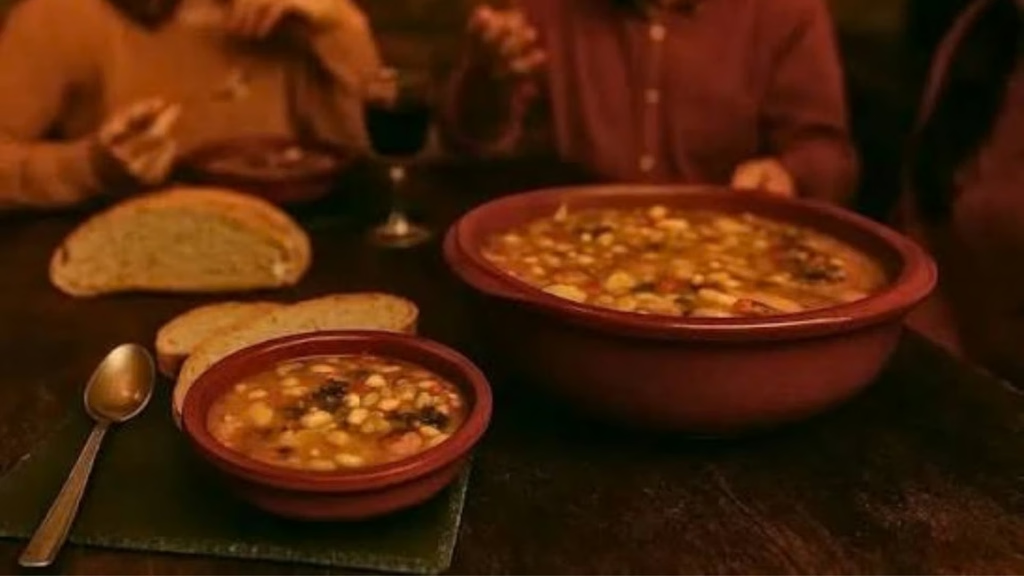
In the El Bierzo area, the gastronomy reflects the duality between Castile and Galicia.
- Botillo del Bierzo. The most famous dish of the area. It is made with pork ribs and tail marinated with paprika, garlic and other spices, and stuffed into natural casing. It is cooked with potatoes and grelos.
- Bierzo peppers. Bierzo peppers are very famous for their flavour and texture. They are grown in the area and can be eaten roasted, fried or preserved.
- Chestnuts and mountain products. Chestnuts can be eaten roasted, boiled or in the form of marron glacé. In addition, the region also produces honey, mushrooms and various mountain products.
- Bierzo wines. Made with Mencía grapes, they have a fruity and fresh character, and perfectly accompany meats and sausages.
Gastronomy of the French Camino de Santiago in Galicia
Galicia is the end of this itinerary and one of the areas of Spain with the best gastronomy.
- Pulpo a feira. The most popular dish in Galicia. It is cooked in a copper pot, cut with scissors and served on cachelos (boiled potatoes) with olive oil, paprika and coarse salt.
- Caldo gallego and empanada. The most popular soup in Galicia, made with grelos, potatoes and beans. The empanada is a pastry filled with tuna, cod or meat; it is the best snack.
- Arzúa-Ulloa and Tetilla cheeses. The most famous cheeses for their creaminess and mild flavour; they can be eaten alone, with bread or accompanied by quince paste.
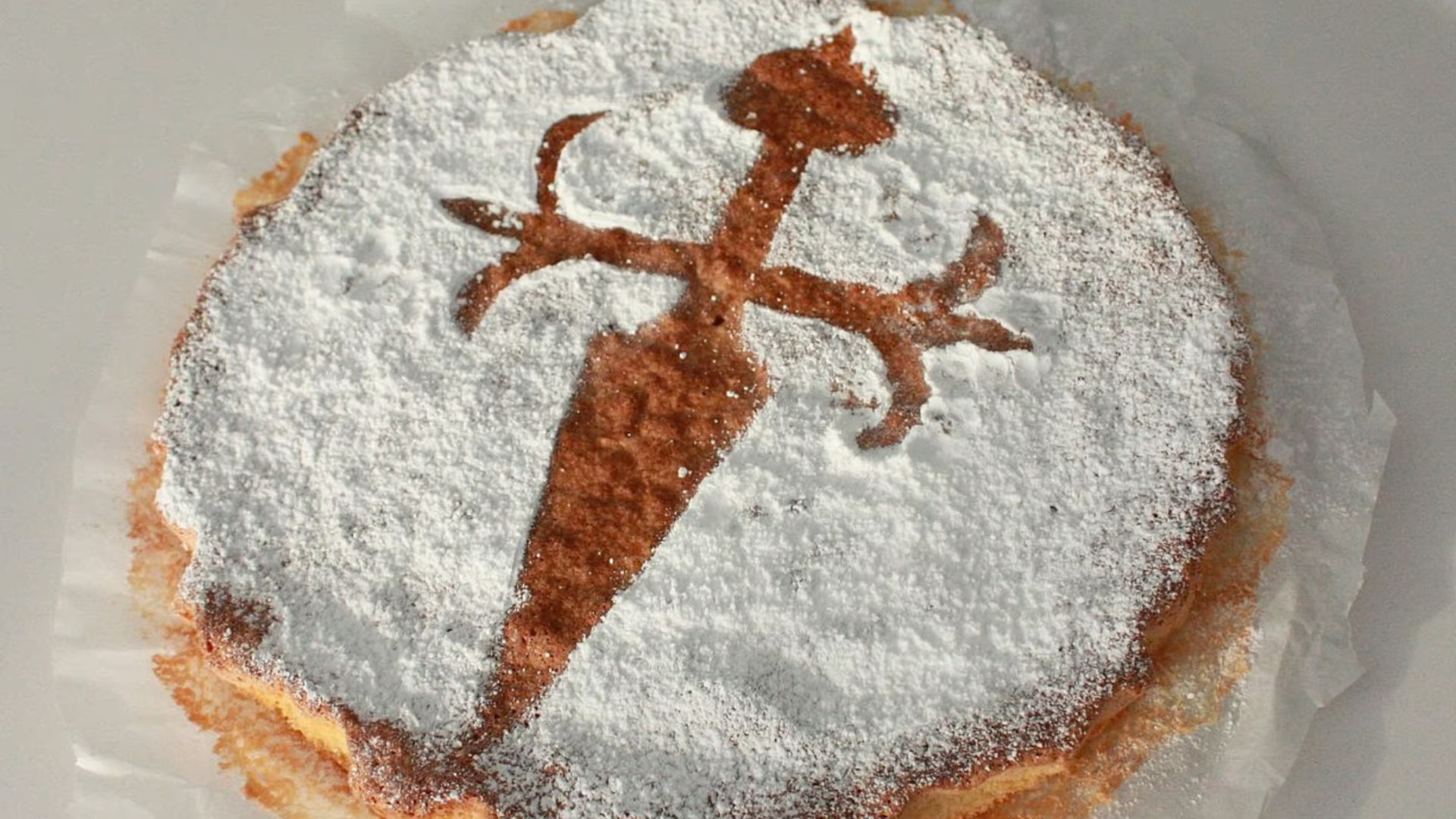
- Tarta de Santiago and Galician sweets. The most famous dessert in Galicia is the tarta de Santiago, made with ground almond, egg and sugar and decorated with the cross of Santiago. Other popular sweets are: melindres, ricos de Melide and bizcochos de Samos.