What was the Order of the Templars?
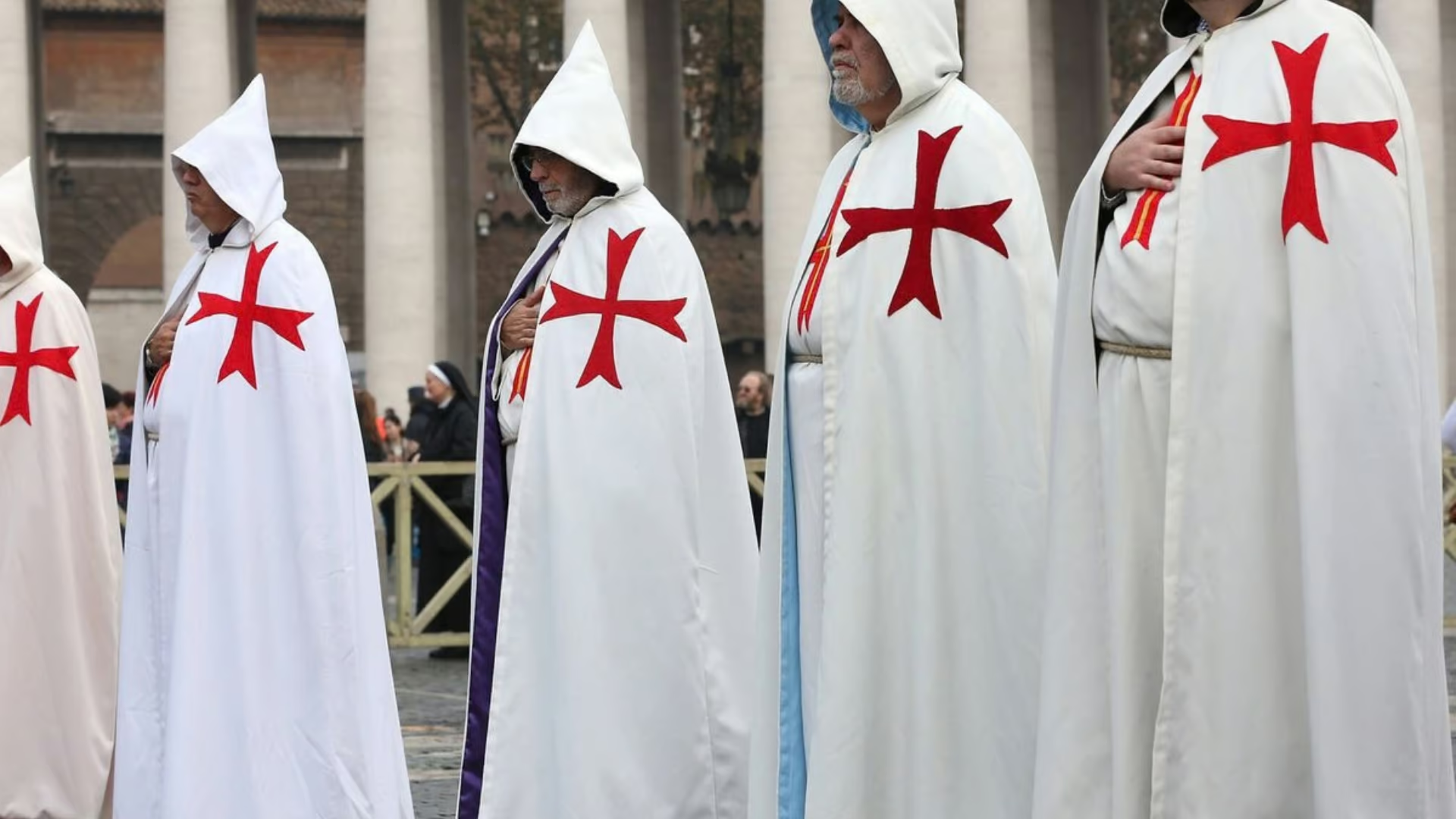
The Order of the Poor Knights of Christ, known as the Order of the Temple, was founded in Jerusalem in 1118 by a group of French knights led by Hugh de Payns. The main objective was to protect pilgrims travelling to the Holy Land.
The Templars combined monastic life with armed combat. They took vows of poverty, chastity and obedience, but they also wielded the sword in defence of the faith. Over time, they accumulated enormous wealth and became bankers to the European nobility.
The Templars arrived on the peninsula in the 12th century, taking part in the Reconquista and establishing commanderies in the kingdoms of Aragon, Castile, León and Portugal. Their presence was important in protecting the pilgrimage routes.
The arrival of the Order of the Templars on the Camino de Santiago
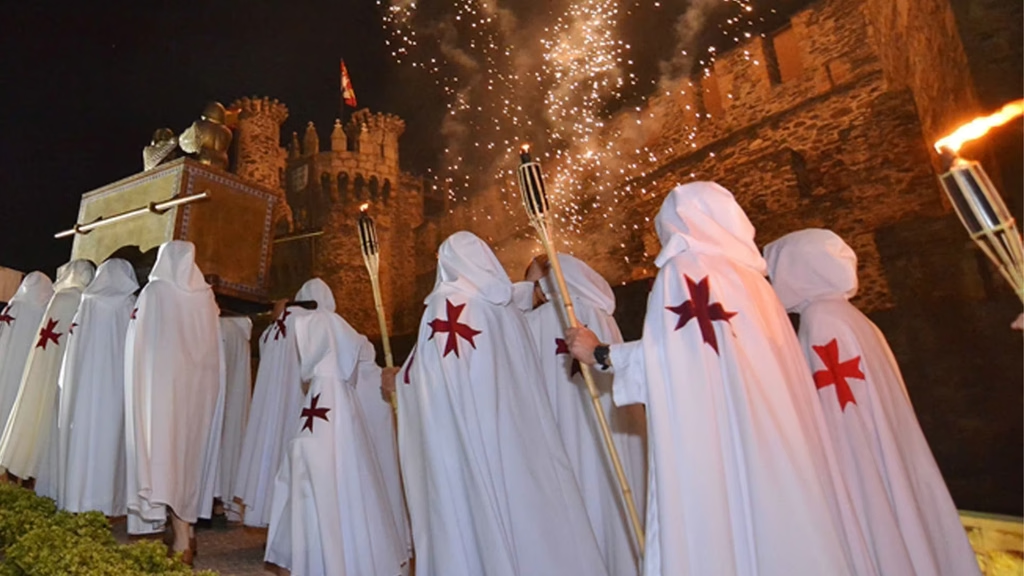
The Order of the Templars on the Camino de Santiago was linked to the Reconquista and the need to protect the pilgrimage routes. When the Christian kingdoms advanced southwards, the military orders received lands and castles in exchange for their military help. The Templars established their strategic points along the French Way, in the areas of greatest danger.
The first commandery was that of Ponferrada, where they built a castle that dominated the passage towards Galicia. They also had a presence at other important points such as Puente la Reina. Their arrival coincided with the rise of pilgrimages, and their work was essential to guarantee the safety of the routes.
Functions of the Order of the Templars on the Camino de Santiago
The Order of the Templars carried out multiple functions on the Camino de Santiago; these were the main ones:
- Protection of pilgrims: Escorting pilgrims on the most dangerous sections.
- Surveillance of the routes.
- Management of hospitals and hostels: Attending to sick or tired pilgrims.
- Custody of castles and fortresses: Defending the strategic points of the Camino and guaranteeing control of the territory.
- Administration of goods and donations.
- Collection of tolls and duties: They controlled passage over bridges and roads, collecting taxes.
Commanderies and castles of the Order of the Templars on the Camino de Santiago
The Order of the Templars on the Camino de Santiago built commanderies and castles all along the French Way. These are the main ones on the route:
- Templar Castle of Ponferrada: The most emblematic fortress of the Order of the Templars on the Camino de Santiago. Built in the 12th century, it dominated the passage towards Galicia. Today it is considered one of the best-preserved castles in Spain.
- Commandery of Puente la Reina: The Templars controlled the crossing of the Arga River and the route that linked the Navarrese and Aragonese ways. The presence of the Order of the Templars guaranteed the safety of pilgrims.
- Commandery of Villalcázar de Sirga: It is located in Palencia and was considered an important Templar centre on the French Way. Its main building was the church of Santa María la Blanca.
- Commandery of Carrión de los Condes: In the Palencia locality, the Templars managed a pilgrim hospital.
The mystery and legends of the Order of the Templars on the Camino de Santiago
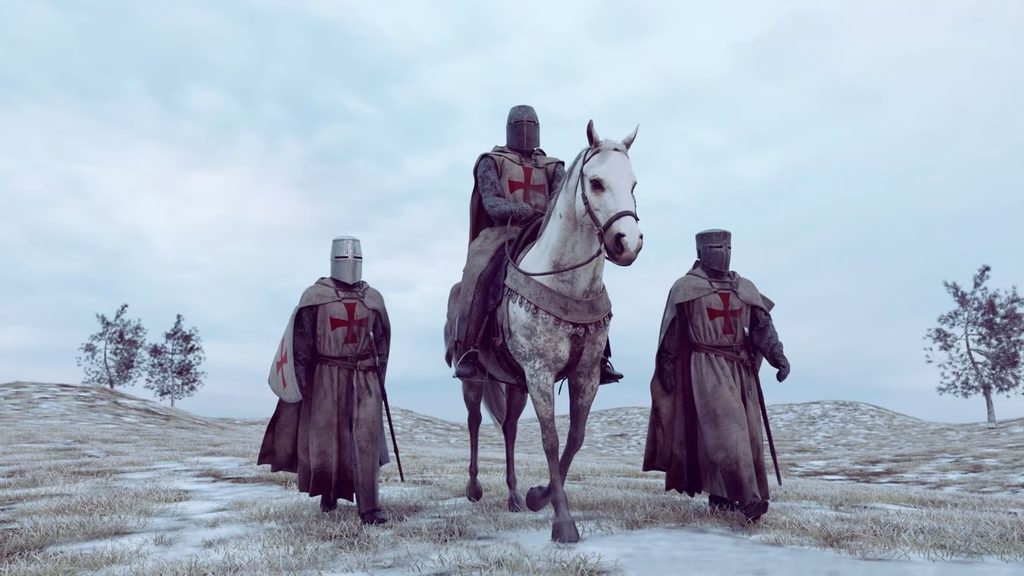
The Order of the Templars has generated a great number of legends, from the custody of the Holy Grail to the protection of hidden secrets on the Jacobean routes.
One of the most popular legends is the one linking the Templars to the Holy Grail. According to this legend, the Templars would have guarded the sacred chalice and hidden it somewhere on the Camino, possibly in the Castle of Ponferrada or in some secret commandery.
It is also common to hear that the Templars left marks and symbols in the churches and castles of the Camino, which would form a hidden code that only they could decipher. Although there is no proof, the truth is that Templar symbolism is present in many buildings along the route.
The fall and legacy of the Order of the Templars on the Camino de Santiago
In 1307, King Philip IV of France ordered the arrest of all members of the Order of the Templars, accusing them of heresy, idolatry and sacrilegious practices. The process ended in 1312 with the dissolution of the Order by Pope Clement V.
On the Camino de Santiago, the disappearance of the Order of the Templars was a great blow to the safety of the Camino. Their assets passed into the hands of other orders, and many castles and commanderies were abandoned or converted.