What is the Pilgrim’s Scallop Shell (vieira) and what does it mean?
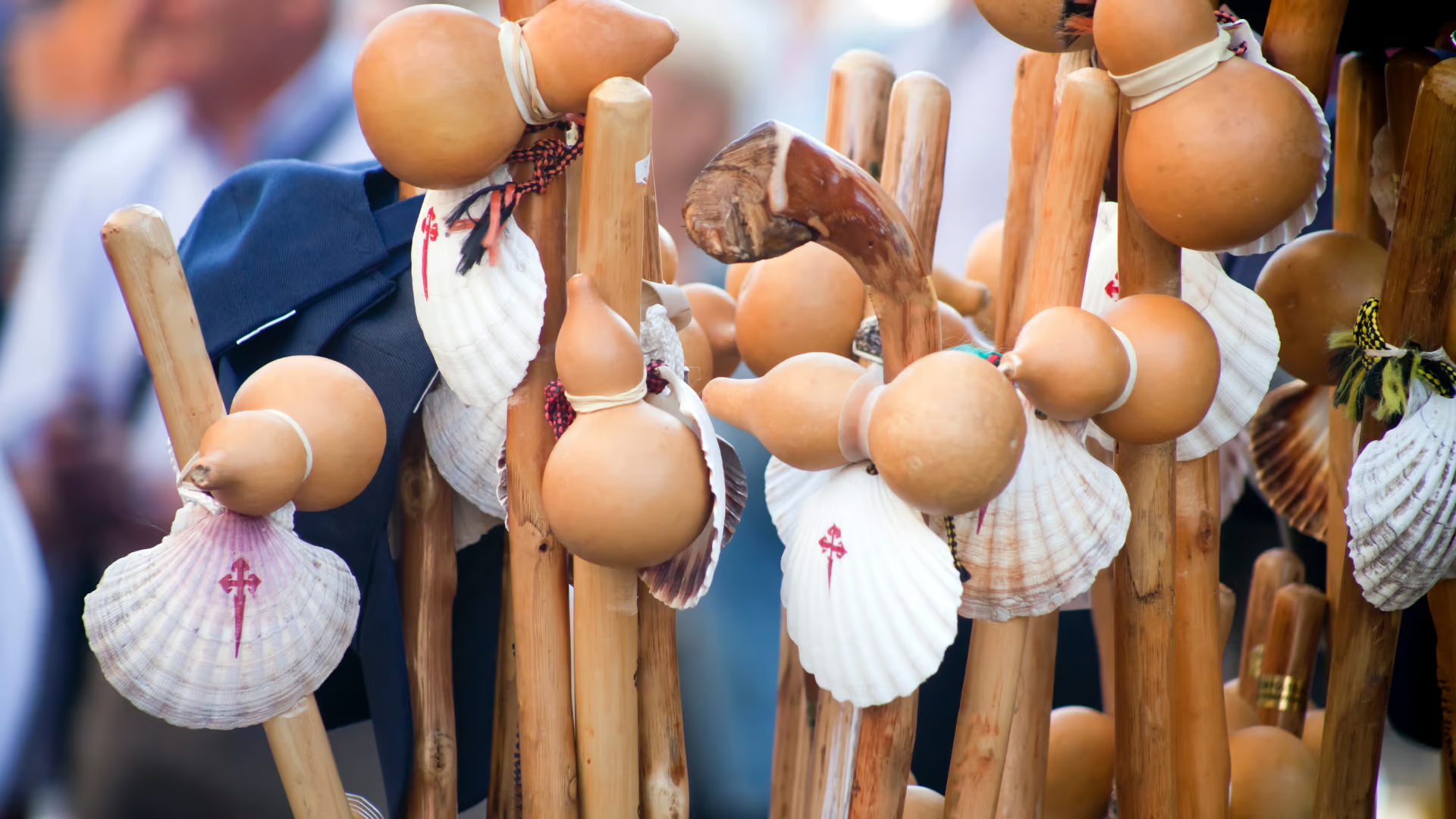
The pilgrim’s scallop shell is the shell of a common scallop (Pecten maximus), a bivalve mollusk very abundant on the coasts of Galicia. However, in the Jacobean context, the scallop becomes the universal passport and the badge of honor that certifies the effort, devotion, and spirit of the Way.
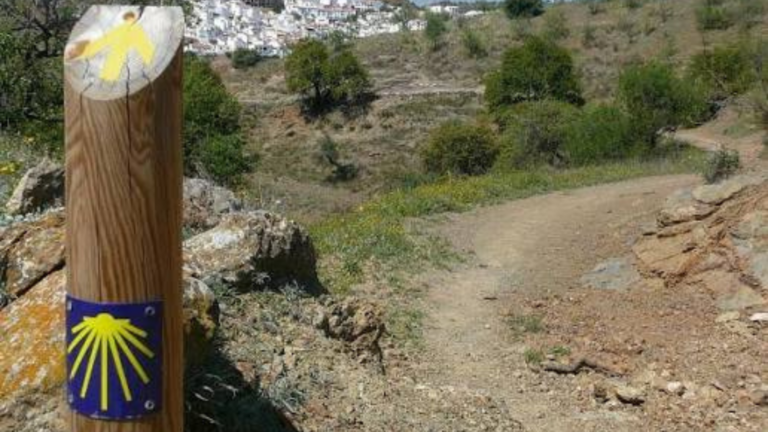
The structure of the scallop shell consists of a series of lines or ridges that start apart at the wide edge and converge at a single point at the base. For Christian tradition, the lines represent the different Jacobean routes spread across Europe, while the meeting point symbolizes the tomb of the Apostle in the Cathedral of Santiago.
Origin and legends: Why is the scallop shell the Jacobean symbol?
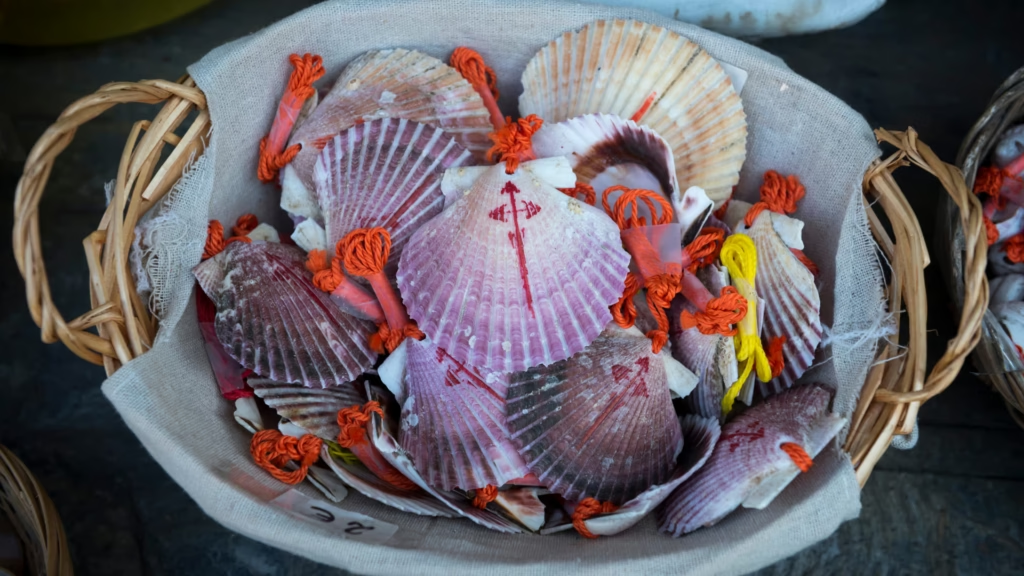
To understand how the scallop shell became a symbol of Christian pilgrimages, it is necessary to explain the medieval legend and popular tradition. Over time, these two concepts have explained the origin of this symbol:
The miracle of the knight covered in shells
One of the most famous religious accounts takes us to the Galician coast, right at the moment when the boat carrying the remains of the Apostle James was approaching dry land. Legend has it that, on the shore, a wedding was taking place, and the groom’s horse, startled, bolted and plunged into the sea.
When everyone had given the rider up for drowned, the horse emerged from the water alongside the Apostle’s boat. To the amazement of the onlookers, the animal was covered in scallop shells and unharmed.
The pagan and Celtic origin: The “end of the world”
Historians also point to a worldly origin, predating Christianity. In ancient times, the Celtic peoples already made pilgrimages to Cape Fisterra in search of the end of the known world.
For the Celts, the scallop shell was a symbol linked to the goddess Venus, fertility, and resurrection. The Catholic Church, in a movement of cultural assimilation, Christianized this pre-existing symbol.
The practical use of the Pilgrim’s Scallop Shell in the Middle Ages
Beyond its symbolism, medieval pilgrims adopted the scallop shell for pure survival reasons. Its three main uses:
- Natural and lightweight cup: Its concave shape makes it the perfect container to carry hanging and drink water from rivers and springs.
- Unit of measure: In the old hospitals, monks served one “shell” of soup or porridge per person to guarantee fair rations for everyone.
- Travel certificate: When the paper Compostela did not exist, returning to your town with an authentic Galician shell was the only irrefutable proof of having completed the Way.
Where to get the Pilgrim’s Scallop Shell?
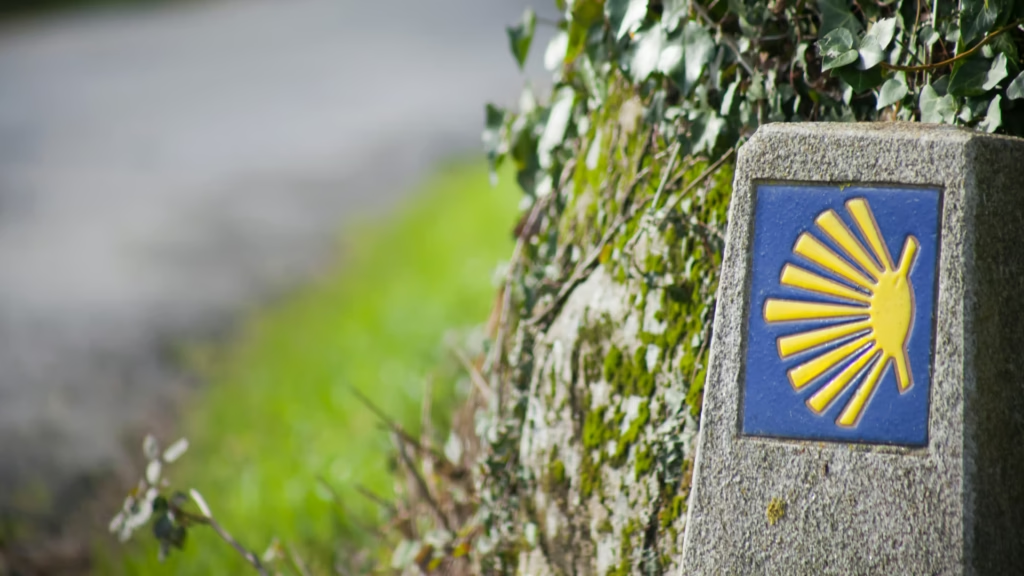
Nowadays, it is very easy to get the Pilgrim’s Scallop Shell before starting the journey. You will find two main options:
- At your starting point: The most traditional place is at the Pilgrim Welcome Offices or in public hostels when picking up your credential. They give it to you perforated and with its cord in exchange for a voluntary donation.
- Before leaving home: You can get it at Camino de Santiago friends’ associations in your city, at bookstores, or in online outdoor gear shops.
Where is the Pilgrim’s Scallop Shell correctly placed?
Tradition dictates that the pilgrim’s scallop shell must be displayed visibly, but the way it is placed changes depending on your means of transport. If you are doing the Way on foot, the most common practice is to hang it on the back of your backpack.
On the other hand, if you are going by bicycle, the ultimate trick is to secure it completely flat against the fabric of your panniers and fasten it with a cable tie to the handlebar cables to prevent any bounce.