Tourist points of the French Way
The French Way is the most popular route and contains the greatest historical and artistic heritage. Along its almost 800 kilometres, you will find Romanesque, Gothic and Renaissance monuments.
- The Cathedral of Santiago de Compostela. The final destination for all pilgrims. Built in the 11th century over the tomb of the Apostle James, it combines Romanesque, Gothic and Baroque styles. The Obradoiro facade is one of the most famous in Spain, and the Botafumeiro is one of the most surprising spectacles.
- The Cathedral of León. Considered one of the most outstanding works of Spanish Gothic, it is famous for its spectacular stained glass windows. It is one of the best examples of European Gothic.
- The Cathedral of Burgos. Declared a World Heritage Site, its façade, its openwork spires and its altarpiece make it one of the most outstanding cathedrals in Spain.
- The Iron Cross. Located on Monte Irago, it is one of the most prominent places on the Camino de Santiago. Pilgrims place a stone brought from their homeland as an offering; it is a ritual that represents the release of burdens and sins.
- Las Médulas (El Bierzo). Declared a World Heritage Site, they are a cultural and natural landscape created by Roman mining.
- The Monastery of San Juan de Ortega. Located between Burgos and León, this 12th-century Romanesque monastery was founded by San Juan de Ortega, a disciple of Santo Domingo de la Calzada. It is considered one of the best examples of Romanesque architecture on the Camino.
Tourist points of the Northern Way
The Northern Way runs parallel to the Cantabrian Sea, which means that its tourist points combine beauty with historical heritage.
- The Flysch of Zumaia. A unique geological landscape in Europe. It consists of a succession of vertical layers of rock that emerge from the sea, generating cliffs of incalculable beauty.
- Cabo de Penas (Asturias). The northernmost point of Asturias, with imposing cliffs over 100 metres high. You will find a unique landscape.
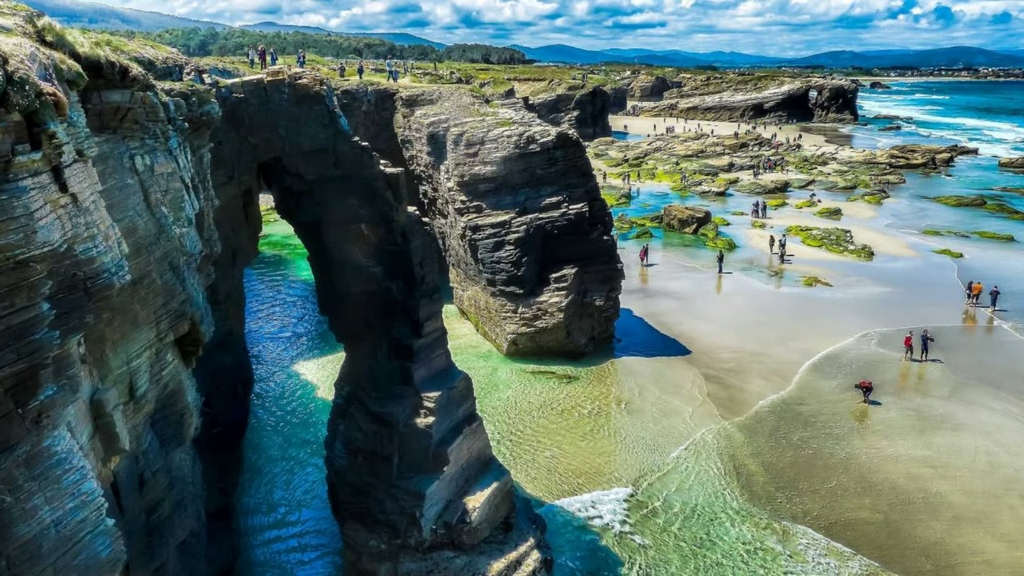
- The Cathedrals Beach (Ribadeo). One of the most popular monuments in Spain, with impressive arches and rock formations that rise from the sea. It is a spectacle that is only accessible at low tide.
- The Cabo Villano Lighthouse (Camariñas). The first electric lighthouse in Spain, it rises above the cliffs of the Costa da Morte.
Tourist points of the Portuguese Way
The Portuguese Way provides an experience characterised by a gentler and more humanised landscape, where the Miño River and the vineyards are the main features.
- The Cathedral of Oporto (Portugal). One of the first monuments you find on the route, it has a Romanesque style, with Gothic and Baroque additions. It dominates the city from above.
- The Miño River Estuary (A Guarda). This wide mouth is one of the wettest areas in Spain, and the view from the shore features the Santa Tecla Mountains in the background.
- Monte de Santa Tecla (A Guarda). Monte Santa Tecla offers one of the best panoramic views on the Portuguese Way. This hill is home to an impressive Celtic hillfort.
Tourist points of the Primitive Way
The Primitive Way is the oldest route, and crosses the mountainous landscapes of Asturias and Galicia, providing historical and natural heritage of great value.
- The Cathedral of Oviedo. It is the starting point of the Primitive Way. It contains an impressive Gothic tower and a Holy Chamber, where the relics of the kingdom of Asturias are preserved.
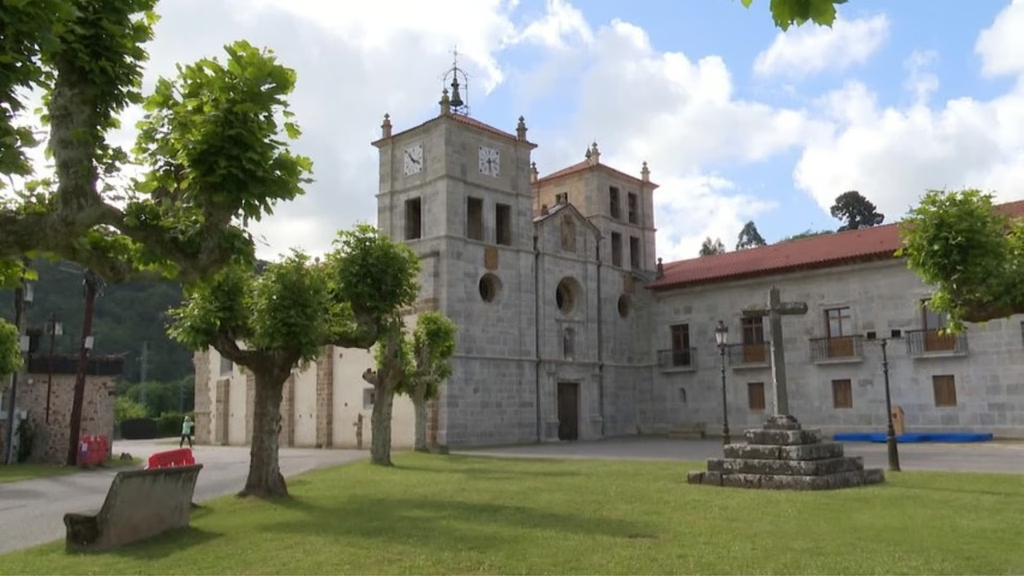
- The Monastery of San Salvador de Cornellana. Founded in the 11th century, this monastery has an Asturian Romanesque style. It contains a church with a spectacular portico.
- Alto del Acebo. One of the highest points of the Primitive Way, with spectacular views of the valleys.
- The Monastery of Sobrado dos Monxes. Impressive 12th-century Cistercian monastery. Its church, its cloister and its guesthouse are a testament to the grandeur of the Cistercian order.
Tourist points of the Winter Way
The Winter Way is a variant of the French Way that was designed to avoid the tough climbs of the O Cebreiro pass. It provides a route through the Ribeira Sacra.
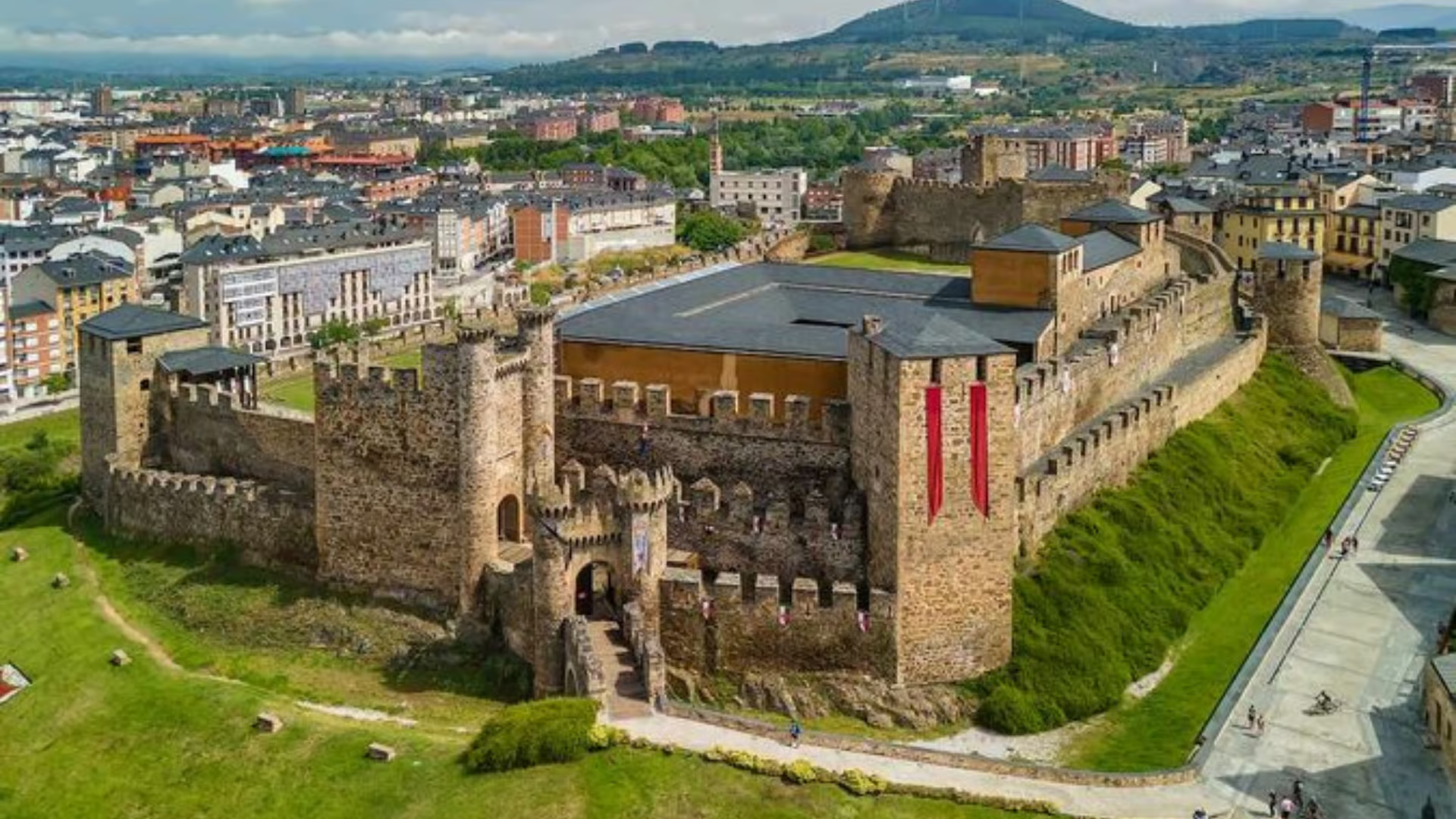
- The Templar Castle (Ponferrada). The Templar Castle of Ponferrada is an example of Templar military architecture in Spain.
- The Sil Canyon (Ribeira Sacra). One of the best landscapes. The Sil River has carved a deep canyon into the rock, creating a landscape of vineyards and medieval monasteries that seem to hang from the cliff.
- The Santo Estevo Reservoir (Nogueira de Ramuín). The Santo Estevo reservoir provides a landscape of great beauty, with the monastery of Santo Estevo de Ribas de Sil.