The ancient origins of the traditions of the Camino de Santiago
Since the discovery of the tomb of the Apostle Saint James in the 9th century, the flow of pilgrims towards Galicia has never stopped. In the Middle Ages, the Camino de Santiago was a dangerous route, and pilgrims began to adopt a series of traditions and rituals that blended Christian faith, superstition, and the sheer need for survival.
Today, the Camino retains the essence of traditions and rituals that have remained intact over time, giving the route a life-changing experience full of meaning.
Initial symbols: The traditions of the Camino de Santiago before starting the route
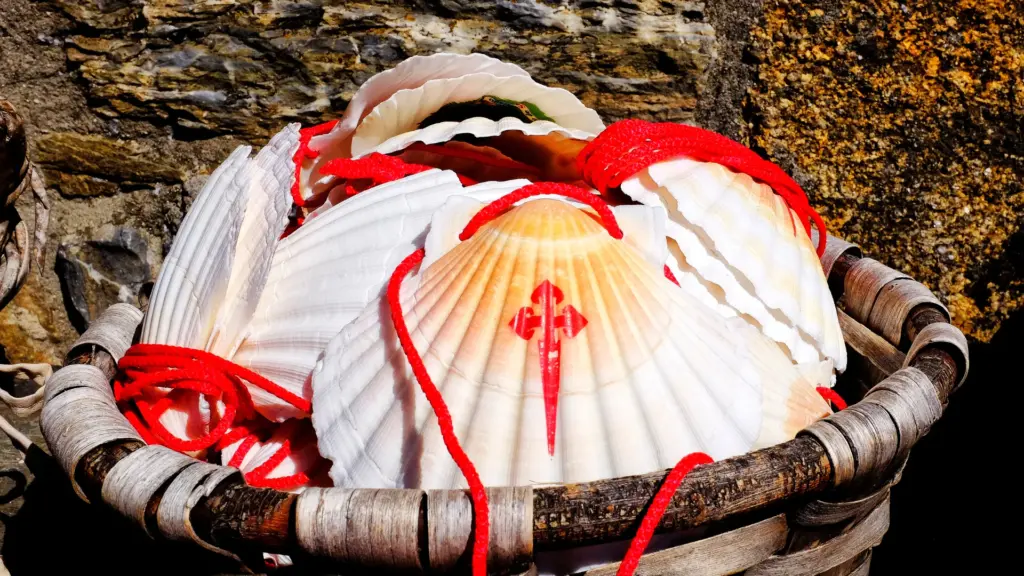
Before starting the Camino de Santiago, the pilgrim must carry the necessary emblems. These traditions of the Camino de Santiago mark the commitment to the route.
Hanging the Scallop Shell on your backpack
The scallop shell is one of the most characteristic symbols of the pilgrims. This symbol originates from medieval pilgrims, who collected the shells on the beaches of Finisterre as proof of having completed their journey to the “end of the world.” Nowadays, the tradition is reversed: the shell is hung before starting the Camino, accompanying you throughout the entire route.
The Pilgrim Credential
The Pilgrim’s Credential is the “passport” of the Jacobean route. Its origin dates back to the letters of safe-conduct that kings and popes provided to medieval pilgrims to protect them from bandits and allow them to cross kingdom borders.
Today, this “passport” is essential. Tradition dictates that you must stamp it twice a day during the last 100 kilometers if you are a walker, and the last 200 kilometers if you are a cyclist. You must fulfill this requirement if you want to request the Compostela upon arriving at the Cathedral.
Rituals on the trail: The most popular traditions of the Camino de Santiago during the stage
While walking the Camino de Santiago, the interaction with your surroundings and with others makes the difference between simply putting in miles or truly living the experience of the Camino.
The universal greeting between pilgrims
Pilgrims have a traditional greeting: “¡Buen Camino!”. This greeting is constantly used throughout the stages when passing other people, and it serves as a basic rule of courtesy. Cyclists must give advance warning of their approach using their bell, respect the safety distance when overtaking, and do so during the maneuver.
Leaving a stone at the Cruz de Ferro (Iron Cross)
On the French Way (León) stands the Cruz de Ferro (Iron Cross), which consists of a wooden mast topped by a cross and surrounded by a mound of pebbles. Tradition dictates that the pilgrim must bring a stone from the place where they begin the Camino and deposit it at the base. With this gesture, the pilgrim symbolizes releasing their personal burdens before beginning the descent towards Ponferrada.
The goal in Compostela: traditions of the Camino de Santiago upon arriving at the Cathedral
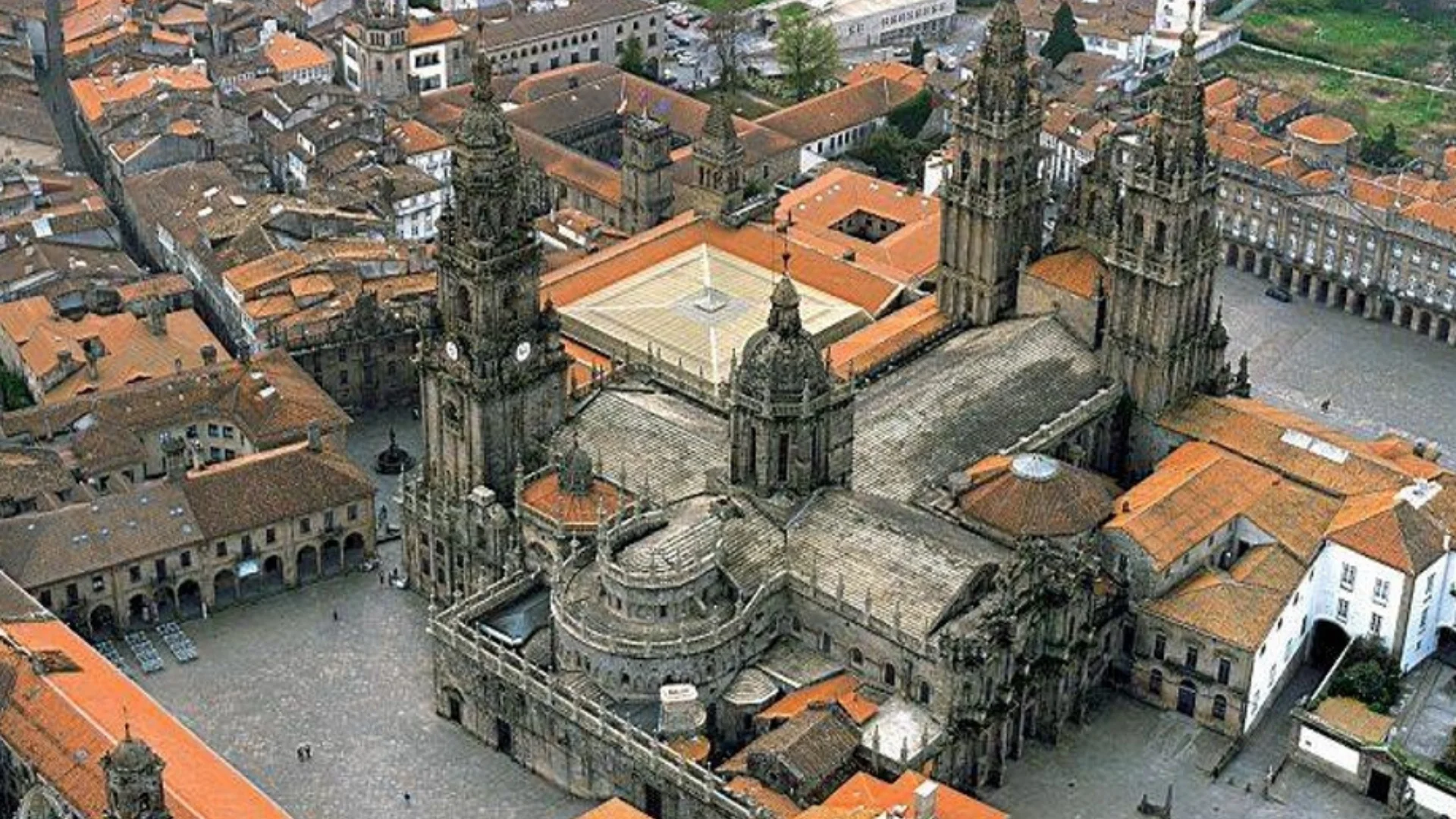
The journey does not end in the Plaza del Obradoiro; the traditions of the Camino de Santiago continue inside the Cathedral.
The hug to the figure of the Apostle at the High Altar
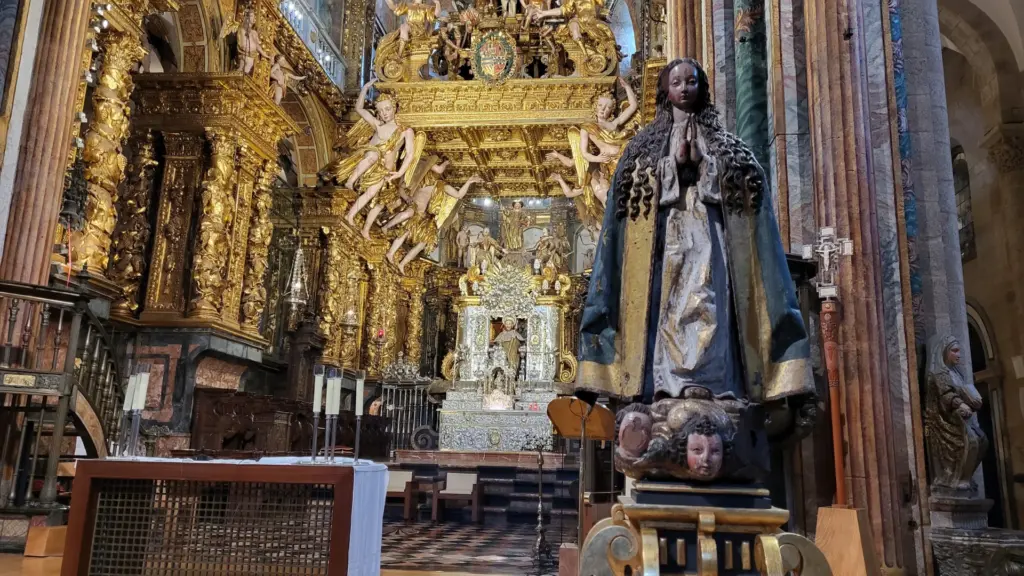
The greatest tradition of the Camino de Santiago is to go up the stairs located behind the High Altar to find the Romanesque statue of the Apostle Saint James, decorated with a silver cape. Custom dictates giving it a hug or placing your hands on its shoulders.
Attending the Pilgrim’s Mass and watching the Botafumeiro fly
The Pilgrim’s Mass is celebrated every day in the Cathedral. It is a special Eucharist where newly arrived pilgrims are welcomed, mentioning out loud their nationality and the geographical point from which they started their route.
Depending on the date, if it coincides with a liturgical feast day or if a private group requests it, the Mass will end with the flight of the Botafumeiro.
Crossing the Holy Door
The Holy Door is located at the back of the Cathedral, facing the Plaza de la Quintana. The unique thing about this entrance is that it remains walled up and is only opened exceptionally during Xacobeo Holy Years. Crossing the Holy Door is one of the most deeply rooted traditions, as it grants a plenary indulgence.