What is the Camino de Levante and what is its origin?
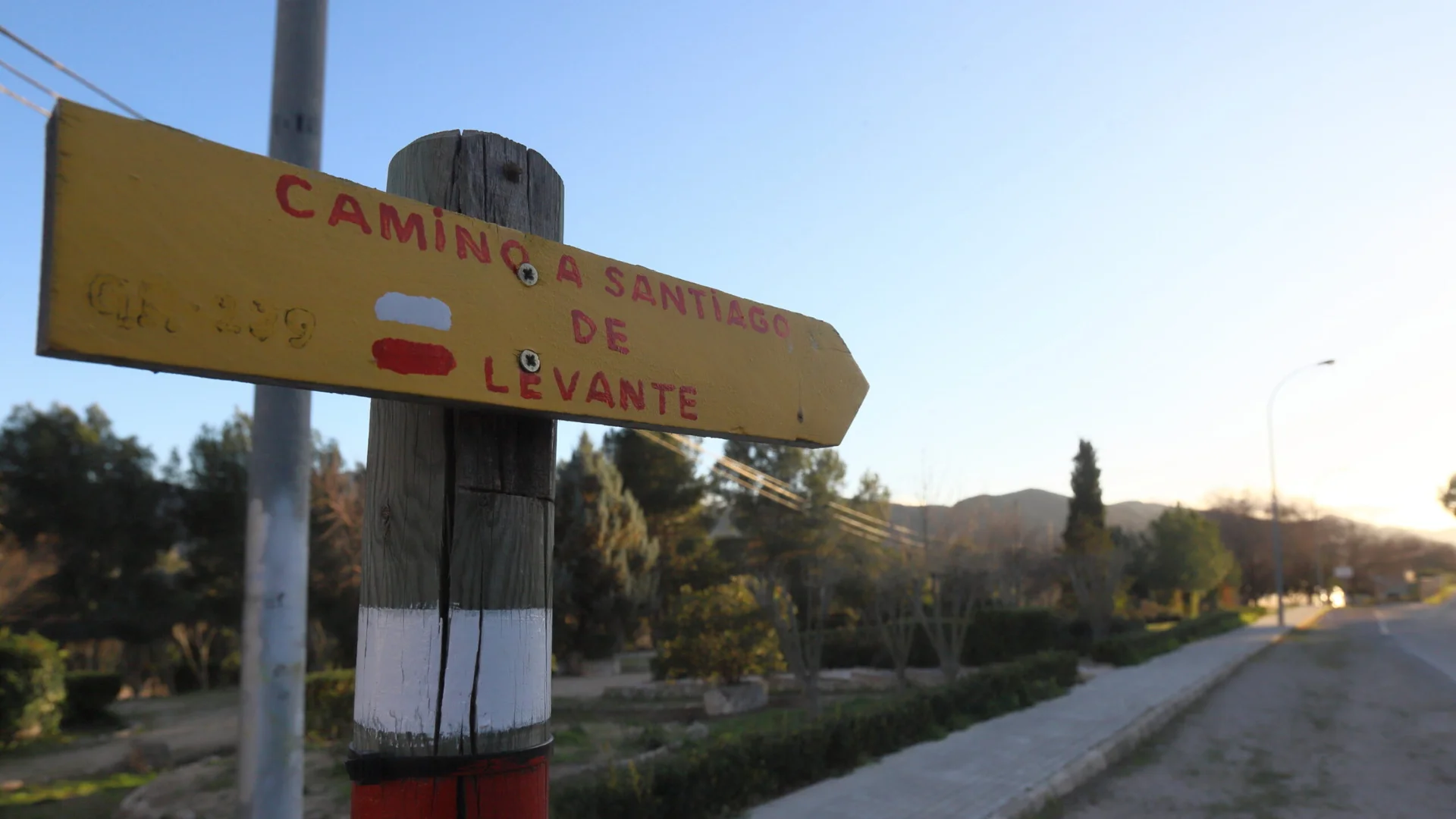
The Camino de Levante is one of the longest and most demanding Jacobean routes. This path directly connects the city of Valencia with Santiago de Compostela, crossing the peninsula from east to northwest.
The origin of this route dates back to the golden centuries of medieval and modern trade, when pilgrims and merchants landing at the Mediterranean port needed a route to venture into the Castilian Meseta.
For eras, this route gained importance thanks to its use by knights of military orders and travelers coming from the Levantine and Italian regions during the 15th and 16th centuries. Following a decline suffered in subsequent centuries, the route was reborn at the end of the 20th century thanks to the efforts of the associations of friends of the Camino from Valencia and the inland provinces.
Route, Kilometers, and Stages: Where Does It Start and Which Places Does It Pass Through?
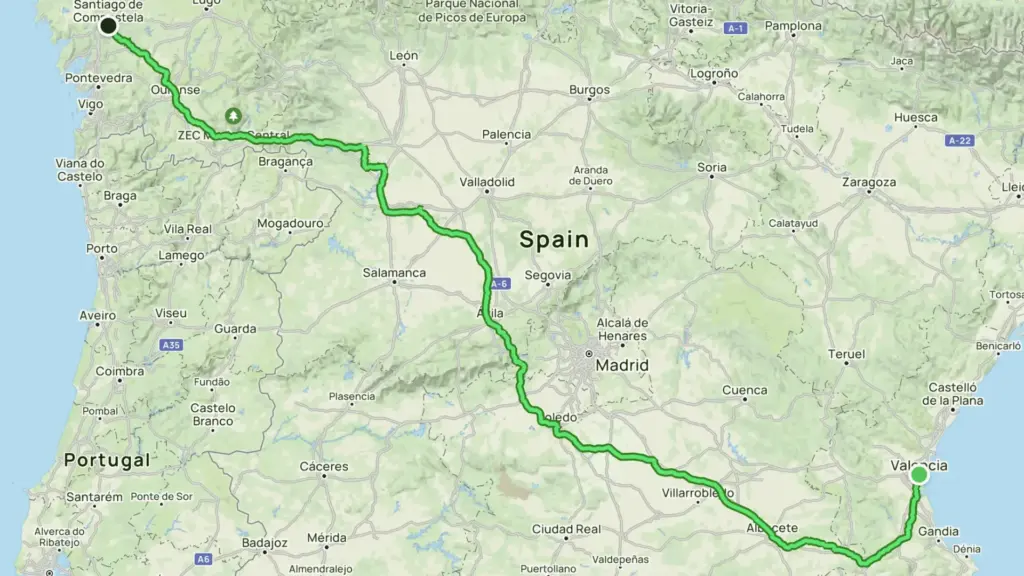
The Camino de Levante stretches for approximately 830 kilometers until it joins the Vía de la Plata in the capital city of Zamora, featuring a total of 27 traditional stages.
- Stage 1: Valencia – Algemesí (38.6 km)
- Stage 2: Algemesí – Játiva (Xàtiva) (29.3 km)
- Stage 3: Játiva – Moixent (29.6 km)
- Stage 4: Moixent – Fuente la Higuera (Font de la Figuera) (26.5 km)
- Stage 5: Fuente la Higuera – Almansa (26.3 km)
- Stage 6: Almansa – Higueruela (40.8 km)
- Stage 7: Higueruela – Chinchilla de Montearagón (29.1 km)
- Stage 8: Chinchilla de Montearagón – Albacete (16.2 km)
- Stage 9: Albacete – La Gineta (19.1 km)
- Stage 10: La Gineta – Minaya (33.4 km)
- Stage 11: Minaya – San Clemente (31.4 km)
- Stage 12: San Clemente – Las Pedroñeras (23.5 km)
- Stage 13: Las Pedroñeras – El Toboso (32.3 km)
- Stage 14: El Toboso – Quintanar de la Orden (14.4 km)
- Stage 15: Quintanar de la Orden – La Villa de Don Fadrique (24.1 km)
- Stage 16: La Villa de Don Fadrique – Tembleque (28.3 km)
- Stage 17: Tembleque – Mora (30.5 km)
- Stage 18: Mora – Toledo (38.8 km)
- Stage 19: Toledo – Rielves (27.6 km)
- Stage 20: Rielves – Escalona (34.1 km)
- Stage 21: Escalona – San Martín de Valdeiglesias (32.6 km)
- Stage 22: San Martín de Valdeiglesias – Cebreros (15.8 km)
- Stage 23: Cebreros – Ávila (45.8 km)
- Stage 24: Ávila – Gotarrendura (23.2 km)
- Etapa 25: Gotarrendura – Arévalo (30,3 km)
- Stage 26: Arévalo – Medina del Campo (34.1 km)
- Stage 27: Medina del Campo – Nava del Rey (19.5 km)
- Stage 28: Nava del Rey – Toro (33.1 km)
- Stage 29: Toro – Zamora (33.1 km)
What are the infrastructure and hostels like on the Camino de Levante?
The Camino de Levante is a niche route, far removed from commercial circuits and tourist crowds; it does not have the same density of private hostels, cafes, and shops that abound on the French Way. This route hosts one of the finest examples of traditional hospitality.
During the journey, the hostels are usually municipal or parochial, managed by local hospitaleros or by associations of friends of the Camino. Due to the scarcity of places and the fact that many accommodations are not open 24 hours a day, it is mandatory and essential to call by phone one day in advance to notify them of your arrival.
From a supplies and logistics standpoint, the route demands a mindset of radical self-sufficiency. You will cross the so-called “España vaciada” (Empty Spain), where villages are separated by dozens of kilometers of deserted plains without any shade, water fountain, or shop.
Places and monuments along the Camino de Levante
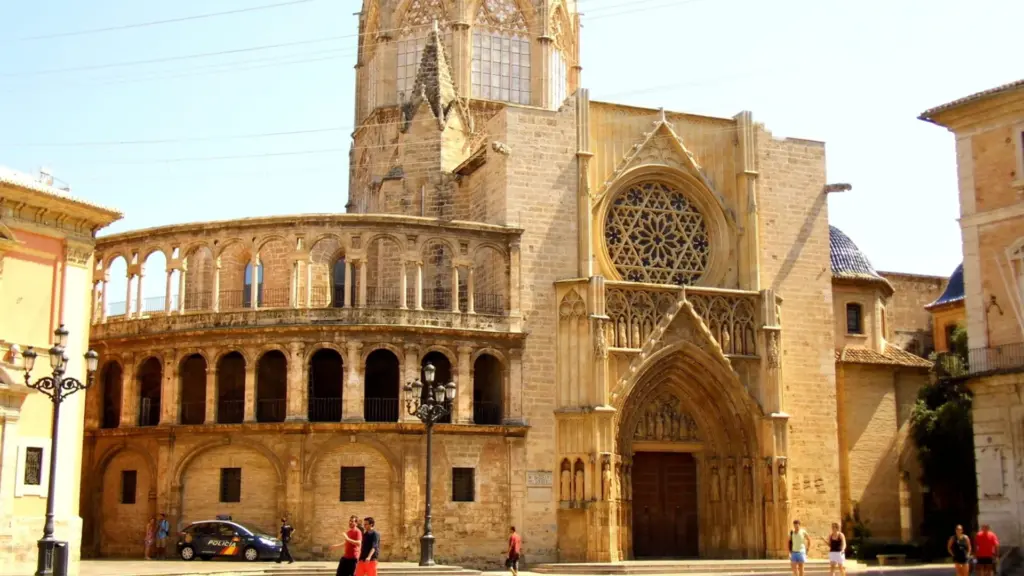
The Camino de Levante functions as a guiding route that passes through monumental, artistic, and fortified architectural complexes. You will witness firsthand the architectural legacy of Romans, Visigoths, Moors, and medieval Christians.
- Valencia Cathedral (Catedral de Santa María de Valencia): This is where the path begins. A Gothic cathedral that treasures the Holy Chalice within.
- Játiva Castle (Castillo de Xàtiva): A double fortress rising above the Sierra de Jaume I, featuring a spectacular architectural design.
- Almansa Castle: A medieval fortress in Castilla-La Mancha that once guarded the historic border between the kingdoms of Castile and Valencia.
- Windmills of El Toboso: The hometown of Dulcinea, boasting the classic image of the giant La Mancha windmills.
- Historic Center and Cathedral of Toledo: Renowned as the “City of the Three Cultures.”
- Medieval Walls of Ávila: One of the best-preserved fortified enclosures in the world.
- La Mota Castle (Medina del Campo): A colossal reddish-brick fortress that served as a residence for Queen Isabella the Catholic, standing out for its keep and medieval moat.
- Collegiate Church of Santa María la Mayor (Toro): Famous for its spectacular dome structure (cimborrio) and its majestic Portico of Majesty.
- Zamora Cathedral and Stone Bridge: Entering this Romanesque city by crossing the bridge over the Duero River marks the achievement of successfully crossing Spain and joining the Vía de la Plata toward Santiago de Compostela.