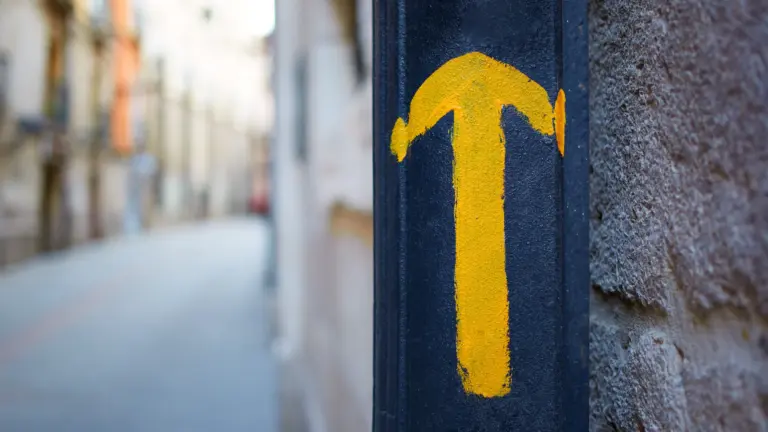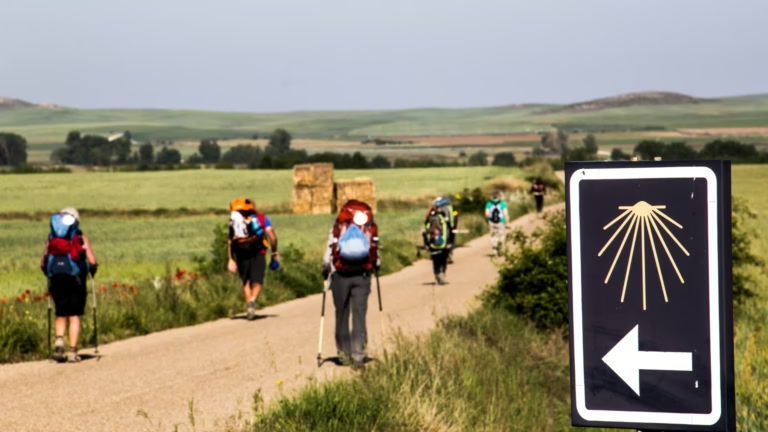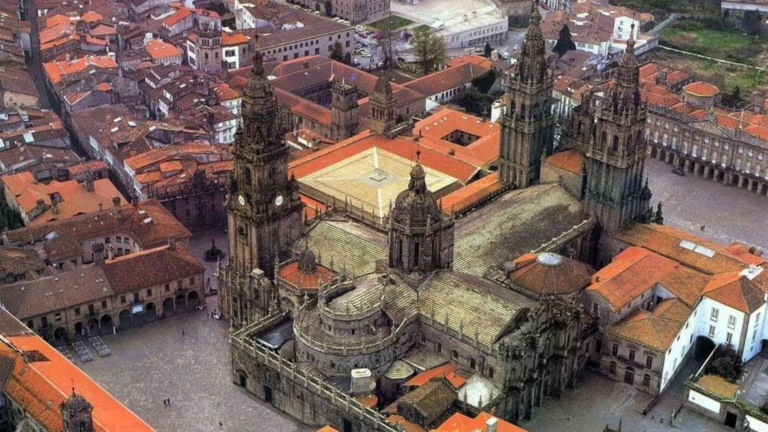
The Camino de Santiago is a pilgrimage route that runs across northern Spain, from Saint Jean Pied de Port in France to the city of Santiago de Compostela in Galicia. Over the years it has become increasingly popular, and a movie was even filmed about it, The Way, in 2011. Walking more than 790 km and completing it in a month is a major challenge. Here are our top tips for walking the Camino de Santiago.
Do it your own way
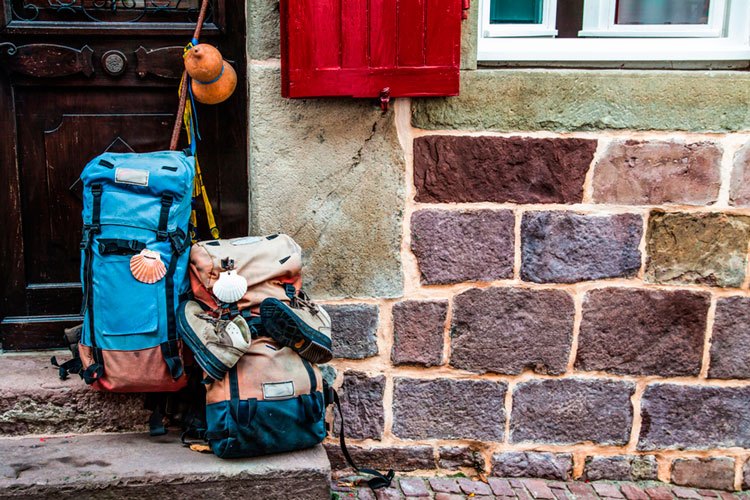
There are many different ways to do the Camino de Santiago. You can choose to stay in budget-friendly hostels (albergues) with shared dorms and carry all your luggage yourself, or stay in guesthouses or hotels and pay a company to transfer your luggage each day. Whether you choose to do the Camino in style or prefer to rough it, both options will provide you with an unforgettable experience.
Walk at your own pace
Everyone walks at a different pace: some like to reach their daily destination as quickly as possible and take the afternoon to relax, while others prefer to enjoy the journey and take time to see things along the way. There is no right or wrong way to do the Camino; choose your own pace and don’t feel pressured by anyone around you.
You don’t need to do it all at once
If you don’t feel like walking the entire 790 km or simply don’t have the time to take a month off for the pilgrimage, you don’t have to do the whole journey all at once. Choose a section of the route that seems most interesting to you and focus on that, or walk the final stretch to Santiago de Compostela. Some people even do sections of the Camino and return the following year to pick up where they left off, doing it in one- or two-week periods at a time.
Pack clothing for any eventuality
Although you shouldn’t pack too many things for the Camino, as they can get very heavy, it is important to have everything you need to stay comfortable while walking. While areas in central Spain, such as La Rioja and Castile and León, can be quite hot and dry in the summer, Galicia is famous for its unpredictable and often cold and rainy weather. Also, make sure to bring sturdy walking shoes, as well as sandals or lighter sneakers for the evenings.
Remember to get your stamps
At the beginning of your pilgrimage, you can buy a pilgrim’s passport (credencial), where you can collect stamps along the way. Stamps can be found in hostels (albergues) or guesthouses, in local cafes, inside churches and cathedrals, or at important monuments. They will allow you to document your journey in a fun and memorable way, as well as provide proof of where you have been.
Take time for sightseeing along the way
El Camino de Santiago atraviesa algunas de las ciudades más interesantes del norte de España, así que tómese su tiempo para detenerse y explorarlas. Algunas de las más destacadas son las murallas de Pamplona, los bares de pintxos de Logroño, la catedral de Burgos y el casco viejo de Santiago de Compostela.
Walk the final 100 km to earn your Compostela
The Compostela is the certificate you obtain at the end of the pilgrimage, in the city of Santiago de Compostela. You can get the Compostela by walking the entire route from the town of Saint Jean Pied de Port in France, or by walking the final 100 km from the town of Sarria. Remember to collect stamps in your pilgrim’s passport to prove where you have been; they are quite strict about this. Also, keep in mind that even if you walk more than 100 km in the middle of the route, it won’t count: you must walk the final 100 km leading up to Santiago.
Budget accordingly
Although doing the Camino de Santiago is not expensive and there are many concessions for pilgrims, you should budget for your trip, especially if you want to complete it and walk for a month. Municipal hostels (albergues) are the cheapest form of accommodation, costing around €5 to €6 per night, while guesthouses (pensiones) and hostels cost around €30 or more. The pilgrim’s set menu (menú del peregrino), which includes a choice of starters, main courses, and desserts, starts at €10, while tapas dishes cost between €4 and €6.