What were ecclesiastical courts on the Camino de Santiago?
Ecclesiastical courts were judicial bodies dependent on the Church, with jurisdiction to try various civil and criminal matters. On the Camino de Santiago, their role was essential because pilgrims came under the special protection of the Church and the Crown.
This protection of pilgrims took shape in the so-called “Legal Code or Code of Pilgrims”, a body of civil and ecclesiastical rules that granted privileges and exemptions to pilgrims, and which lasted until the 19th century. The ecclesiastical courts were responsible for ensuring that the rules were complied with.
Ecclesiastical jurisdiction over pilgrims
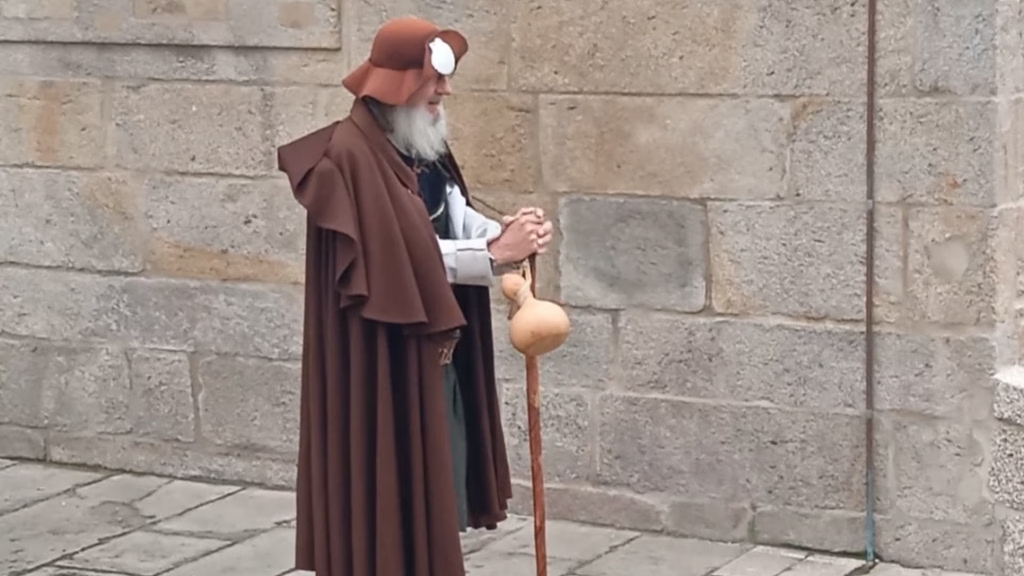
The jurisdiction of ecclesiastical courts over pilgrims was broad and was based on the religious character of the pilgrimage. Pilgrims were considered “men of God” and were under the protection of the Church. Ecclesiastical courts could try any case that had a spiritual or moral dimension.
In addition, foreign pilgrims received favourable treatment that gave them the same rights as pilgrims of the kingdom itself. This equalisation was one of the foundations of the protective international law that characterised the Camino de Santiago for centuries.
The privileges of pilgrims before the courts
Pilgrims had a series of privileges that protected them before the courts. These are the main ones:
- Exemption from seizure and distraint: Since the Council of Santiago of 1124, it was established that pilgrims could not be seized or have their property distrained. Archbishop Gelmírez issued specific decrees to protect pilgrims and merchants from abuses, punishing anyone who broke this rule.
- Protection of property during absence: The Partidas of Alfonso X guaranteed that pilgrims would not lose their possessions while they were on the Camino.
- Exemption from tolls and portazgos: The pilgrim did not pay tolls or portazgos, as long as they travelled for purposes of devotion.
- Safe-conducts and letters of assurance: Kings provided letters of protection that guaranteed the pilgrim’s freedom of movement and safety.
The most common conflicts that reached the ecclesiastical courts
The ecclesiastical courts of the Camino de Santiago dealt with various conflicts. These were the most common:
- Problems over debts and contracts: Contracts were usually confirmed by oath, which made them a matter for ecclesiastical jurisdiction.
- Disputes with hostel keepers and innkeepers: Over price abuses, mistreatment or failure to fulfil what had been agreed.
- Matrimonial cases: Ecclesiastical courts had jurisdiction over marriage and its consequences, including the legitimacy of children.
- Wills and bequests: Pilgrims made wills before setting out, and ecclesiastical courts had jurisdiction over problems arising from them.
- Assaults and robberies: Attacks on pilgrims were a serious crime, and the councils punished them with canonical penalties.
Judicial procedure in ecclesiastical courts
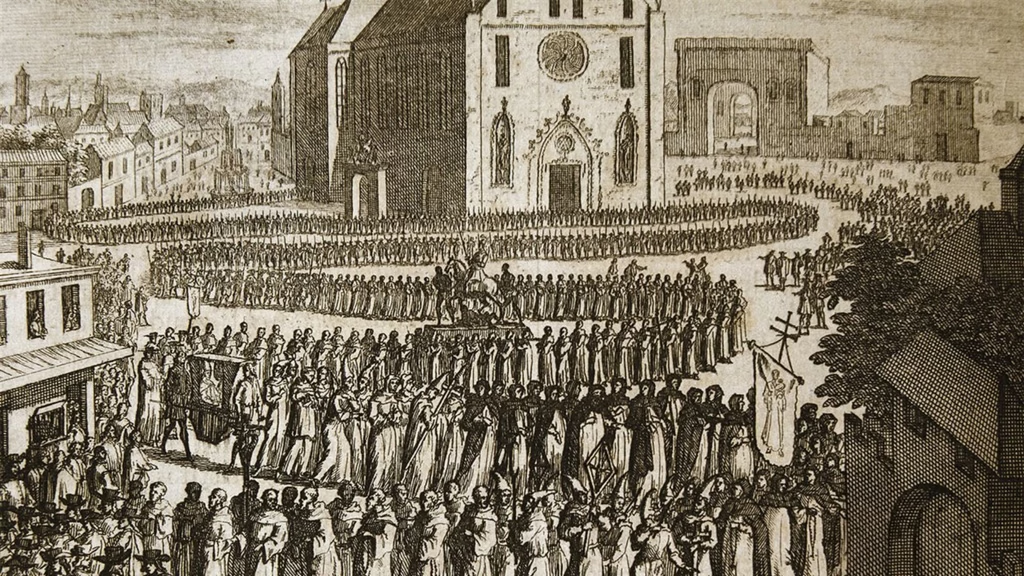
Procedure in medieval ecclesiastical courts was based on written documents, had judges trained in canon law and provided a system organised at different levels (from the archdeacon’s court to that of the bishop and the archbishop). This efficiency made ecclesiastical courts attractive to laypeople.
Alongside this procedure, older practices such as ordeals or “judgements of God” coexisted. On the Camino de Santiago, the protection of pilgrims was generated through the “peace of the road”, a legal institution that provided protection for the people and property travelling along the Jacobean routes. This peace meant that any attack on a pilgrim was considered an offence against the Crown itself.
Questions about ecclesiastical courts on the Camino de Santiago
Are documents from these trials preserved?
Yes. Documents from disputes and proceedings are preserved in cathedral, diocesan and Vatican archives. The records of the Compostelan ecclesiastical jurisdiction, although not always complete, make it possible to reconstruct the activity of these courts and the conflicts they dealt with.
What was the difference between an ecclesiastical court and a civil court?
The ecclesiastical court depended on the Church and judged according to canon law, with jurisdiction over clerics, pilgrims, the poor, widows and matters such as marriages, wills and oaths. The civil court depended on the king or the lord and applied secular law.