Why did famous pilgrims in history choose the Camino de Santiago?
The famous pilgrims of history chose to do the Camino de Santiago for different reasons. On the one hand, medieval kings and nobles did the Camino as an act of devotion and a demonstration of power. For saints and religious figures, it meant an expression of faith and a way to erase their sins. And on the other hand, for artists and writers, it was a source of inspiration.
In contemporary times, the Camino de Santiago has attracted celebrities seeking to disconnect, reflect or live an adventure. Many have helped popularise the Jacobean route around the world.
Kings and queens: famous pilgrims in history
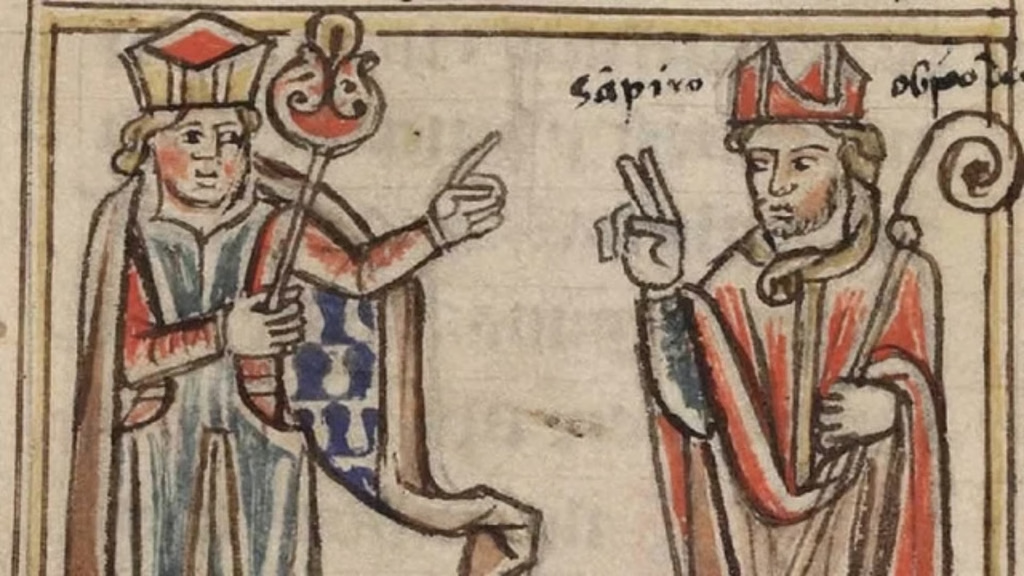
Alfonso II the Chaste, the first royal pilgrim
Alfonso II the Chaste, king of Asturias between 791 and 842, is considered the first royal pilgrim in history. This king travelled to Santiago de Compostela after the discovery of the Apostle, becoming the first monarch to visit the tomb. This king laid the foundations of the Primitive Way.
The Catholic Monarchs: Isabella and Ferdinand in Santiago de Compostela
Isabella of Castile and Ferdinand of Aragon made a pilgrimage to Santiago in 1486. Their visit was a political and religious act, which served to affirm their power and their commitment to the Catholic faith. They promoted reforms in the pilgrim hospitals and encouraged the construction of the Hospital of the Catholic Monarchs.
Charles V and Philip II: imperial pilgrimages
Charles V, Emperor of the Holy Roman Empire, made a pilgrimage in 1520. His son, Philip II, also visited Compostela as king. Both monarchs contributed to the splendour of the Cathedral and the maintenance of the Camino de Santiago at a time when pilgrimages were declining.
Saints and religious figures
Santo Domingo de la Calzada
Santo Domingo de la Calzada was a hermit who dedicated his life to facilitating the passage of pilgrims. He built bridges, roads and a hospital in Santo Domingo de la Calzada. His main work was the development of the French Way, and his figure is one of the most venerated.
San Juan de Ortega
San Juan de Ortega, a disciple of Santo Domingo de la Calzada who continued his work. He founded a monastery and a pilgrim hospital in the town of San Juan de Ortega, and contributed to improving the conditions of the route on the stretch from Burgos to León.
Saint Francis of Assisi and his pilgrimage to Santiago
Saint Francis of Assisi made a pilgrimage to Santiago de Compostela in 1214; along the way, he founded several monasteries and left his mark on the Camino de Santiago. The Camino de Santiago was a profound spiritual experience that marked his life and work.
Artists and writers: famous pilgrims in history
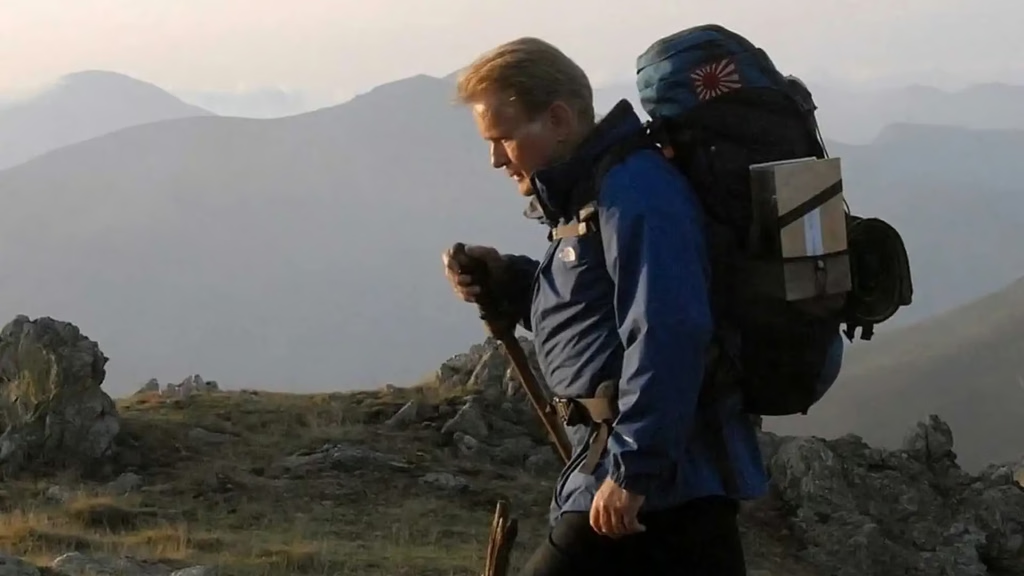
Paulo Coelho and “The Pilgrim of Compostela”
The writer Paulo Coelho travelled the French Way in 1986 and expressed his journey in the book “The Pilgrim of Compostela” (1987). This book has inspired millions of people to do the Camino de Santiago.
Shirley MacLaine and “The Camino”
In 1994, the actress Shirley MacLaine made a pilgrimage to Santiago and wrote “The Camino: A Journey of the Spirit,” a book that recounts her experience. Thanks to her, the Camino de Santiago became popular among English-speaking audiences.
Walter Starkie and “The Road to Santiago”
The writer Walter Starkie travelled the Camino de Santiago in the 1920s and 1930s, and wrote about his experiences in “The Road to Santiago.” His work is a unique testimony from a time when pilgrimages were in decline.
Women pilgrims: famous female pilgrims in history
Catherine of Aragon and other pilgrim queens
Catherine of Aragon, daughter of the Catholic Monarchs, made a pilgrimage to Santiago before leaving for England to marry Prince Arthur. Also worth noting are the pilgrimages to Santiago de Compostela of Isabella of Portugal and Joanna the Mad.
Saint Bridget of Sweden
In the 14th century, Saint Bridget of Sweden made a pilgrimage to Santiago, Rome and Jerusalem in a single journey. Her pilgrimage was an act of devotion and strength, and her figure is one of the most prominent among the women pilgrims of history.