Who was San Juan de Ortega?
San Juan de Ortega was born in 1080 in Quintanaortuño, a village in Burgos. From childhood he felt a religious vocation, and he placed himself under the tutelage of Santo Domingo de la Calzada. From him he learned the work of building roads, bridges and hospitals, and he acquired the spirit of service to pilgrims that would mark his whole life.
Juan de Ortega continued with the Camino Francés after the death of Santo Domingo. He settled as a hermit, where he built a hospital and a church to care for pilgrims. His reputation as a holy and hardworking man spread, and he soon received donations and privileges from kings and nobles.
The work of San Juan de Ortega on the Camino de Santiago
San Juan de Ortega’s work on the Camino de Santiago was essential for improving conditions along the route. Following the example of Santo Domingo de la Calzada, he devoted himself to building bridges and roads that would make it easier for pilgrims to cross rivers and travel the paths.
In addition, he founded a pilgrim hospital in the place where his monastery now stands. This hospital provided shelter, food and care to the pilgrims who arrived. His work was so important that King Alfonso VI granted him privileges and donations.
The monastery of San Juan de Ortega
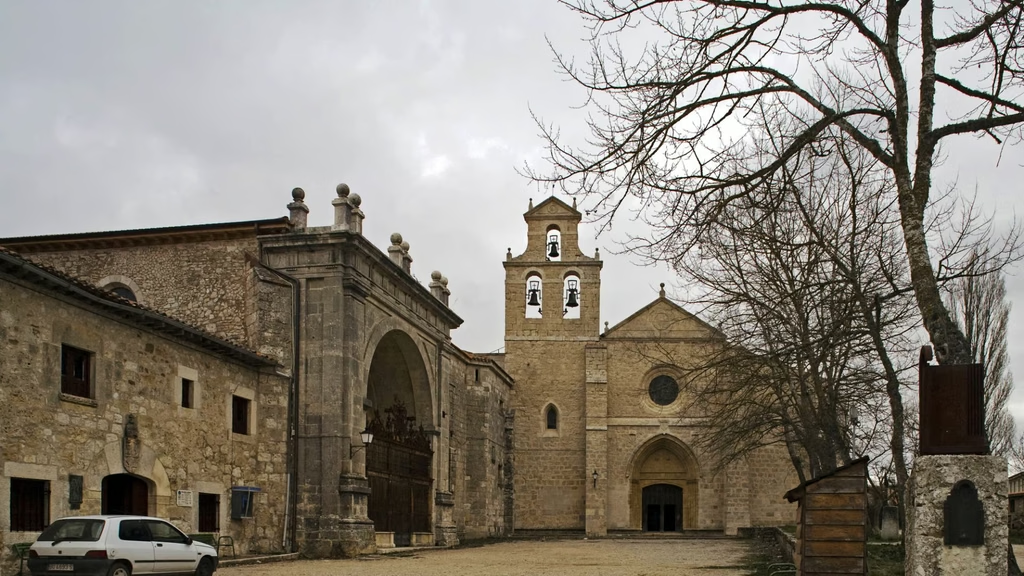
The Romanesque monastery of San Juan de Ortega is one of the most impressive on the Camino Francés. It was founded by San Juan de Ortega in the 12th century, and inside it preserves some outstanding elements of Burgos Romanesque art.
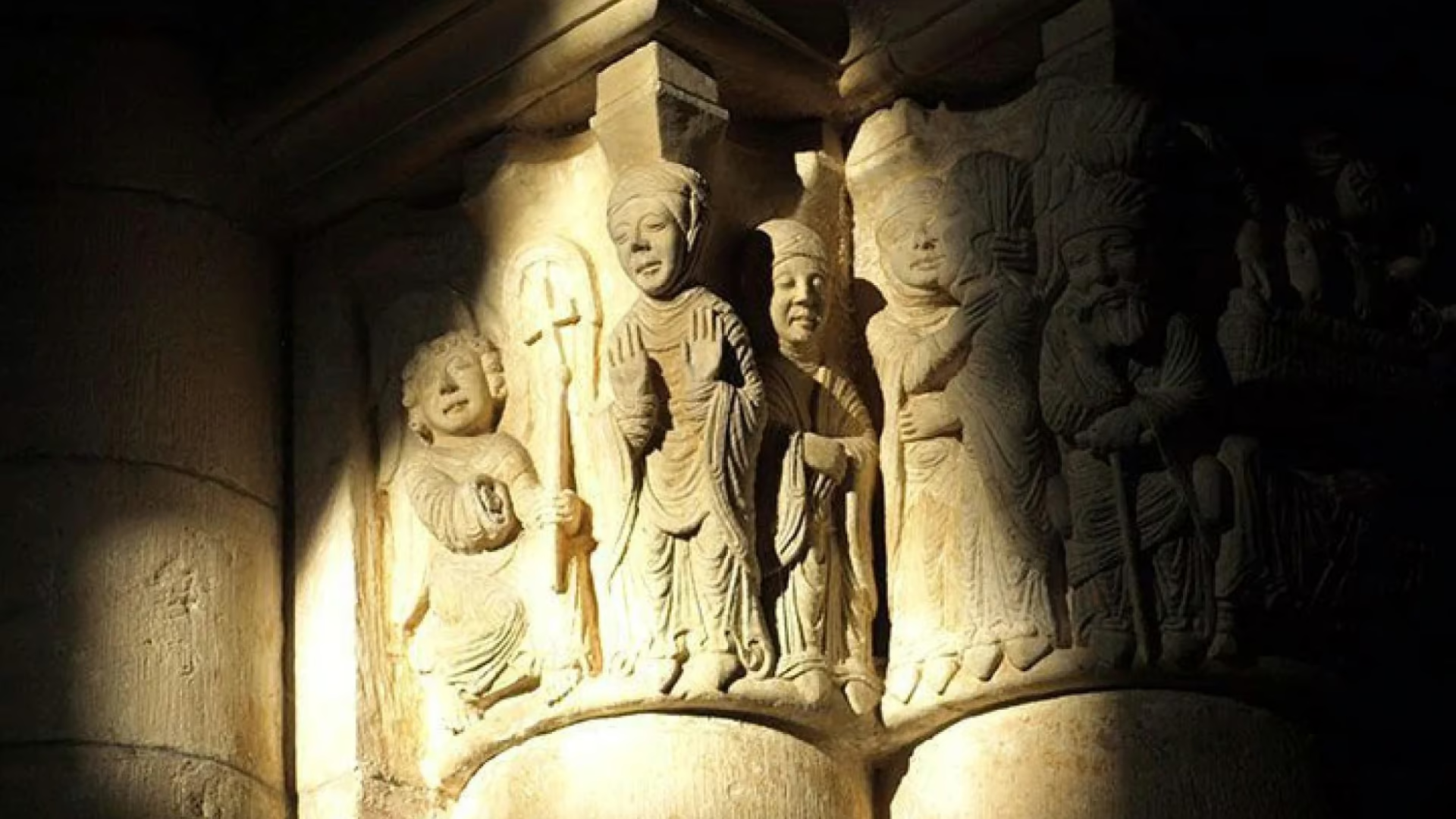
The Romanesque church of the monastery has a doorway with historiated capitals and a sober, intimate interior. Inside it is the tomb of San Juan de Ortega, a Gothic sarcophagus from the 15th century. The cloister preserves part of its original structure.
The miracles and devotion to San Juan de Ortega
San Juan de Ortega was a man of faith, and several miracles have been attributed to him. The most popular miracle is the multiplication of the loaves, which took place during a pilgrimage to Jerusalem. According to tradition, San Juan multiplied the loaves to feed a group of hungry pilgrims.
Devotion spread throughout Europe, and his monastery became a pilgrimage centre within the Camino de Santiago. His feast day is celebrated on 2 June, and every year it attracts numerous pilgrims and devotees to the village.
The legacy of San Juan de Ortega
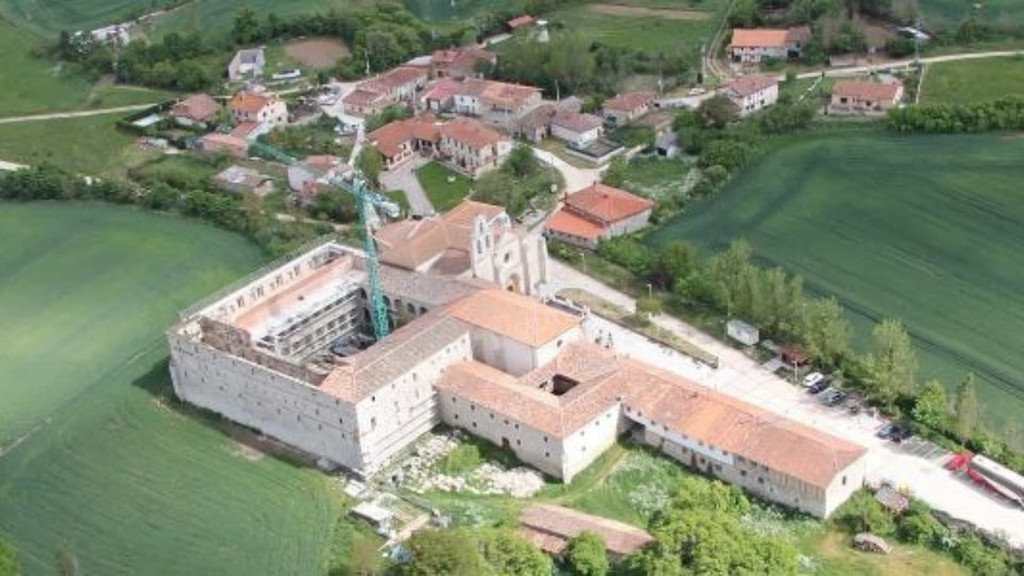
The legacy of San Juan de Ortega endures on the Camino Francés. The monastery is still standing and continues to welcome pilgrims travelling the Jacobean route. His example of hospitality has endured through generations of hospitaleros and volunteers who care for pilgrims in the hostels.
In addition, his work as a builder helped shape the current layout of the Camino Francés. The bridges and roads he built are still used by pilgrims, and he is remembered as one of the most important figures on the Camino.
Questions about San Juan de Ortega
Where is the monastery of San Juan de Ortega?
The monastery of San Juan de Ortega is located in the Burgos village of San Juan de Ortega, right on the Camino Francés, between Burgos and León. It is about 30 km from Burgos and about 20 km from Atapuerca.
Can you sleep in the hostel of San Juan de Ortega?
Yes. The monastery has a pilgrim hostel, run by the monks or by volunteer hospitaleros. It is one of the classic stops on the Camino Francés, and it provides accommodation for pilgrims who request it.
When is the feast day of San Juan de Ortega celebrated?
The feast day of San Juan de Ortega is celebrated on 2 June. It is a very important date in the village, with religious events and cultural activities.