What was a commandery of the Order of Santiago?
A commandery of the Order of Santiago was a territorial and administrative unit of the Order of Santiago, which included a set of properties, lands and rights that it administered on behalf of the Crown. The main function of the commandery was to guarantee defence, agricultural exploitation and care for pilgrims in its territories.
The commandery was made up of a castle or main house, lands, mills, churches and hospitals. The highest authority of the commandery was the commander, who administered these properties and was accountable to the master of the Order. In exchange for this management, the Order had to help defend the territory, maintaining a set number of knights and soldiers.
Historical origin of the commanderies of the Order of Santiago
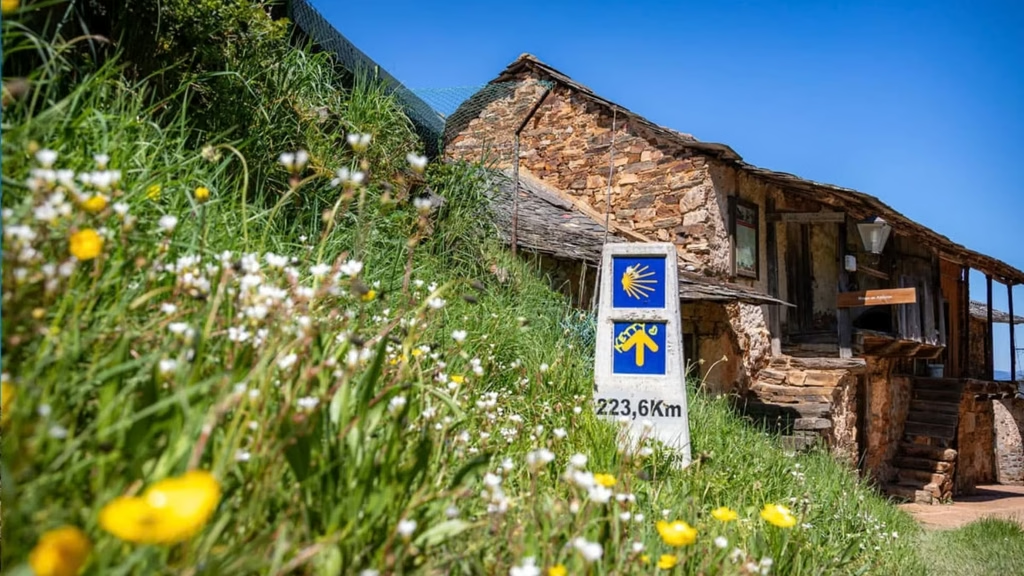
The Order of Santiago was founded in the 12th century, at the time of the Reconquista. Its aim was to protect pilgrims heading to Santiago de Compostela and to defend the Christian frontiers against the Muslim advance. In its early days, the Order received various donations from kings and nobles.
In order to manage its patrimony, the Order created the commanderies. The commanderies of the Order of Santiago were located at strategic points along the Camino and in border areas, in order to defend the route and guarantee the safety of pilgrims.
Functions of the commanderies of the Order of Santiago
The commanderies of the Order of Santiago performed various functions throughout history:
- Protection of pilgrims: The main mission of the Order of Santiago was the protection of pilgrims travelling the Camino de Santiago. The commanderies were the control and defence points along the routes.
- Management of hospitals and hostels.
- Administration of lands and rents: The commander managed the commandery’s lands, rents and seigneurial rights.
- Surveillance of the roads: They were responsible for maintaining security on the Jacobean routes.
- Defence of the territory: In border areas, they acted as military fortresses to defend the territory from enemy attacks.
- Worship and religious assistance.
Internal organisation of a commandery of the Order of Santiago
The organisation of a commandery of the Order of Santiago was hierarchical and responded to the administrative, military and religious needs of the Order. At the head of the commandery was the commander, a knight friar of the Order who administered the properties and was accountable to the master. The commander had authority over the land, vassals and resources of the commandery.
Below him, the commandery had different positions: knight friars, chaplains, stewards, administrators and workers.
- The knight friars were members of the Order who had professed vows and lived in the commandery’s house.
- The chaplains were responsible for religious worship
- The stewards and administrators managed the rents and properties
The most important commanderies of the Order of Santiago on the Camino de Santiago
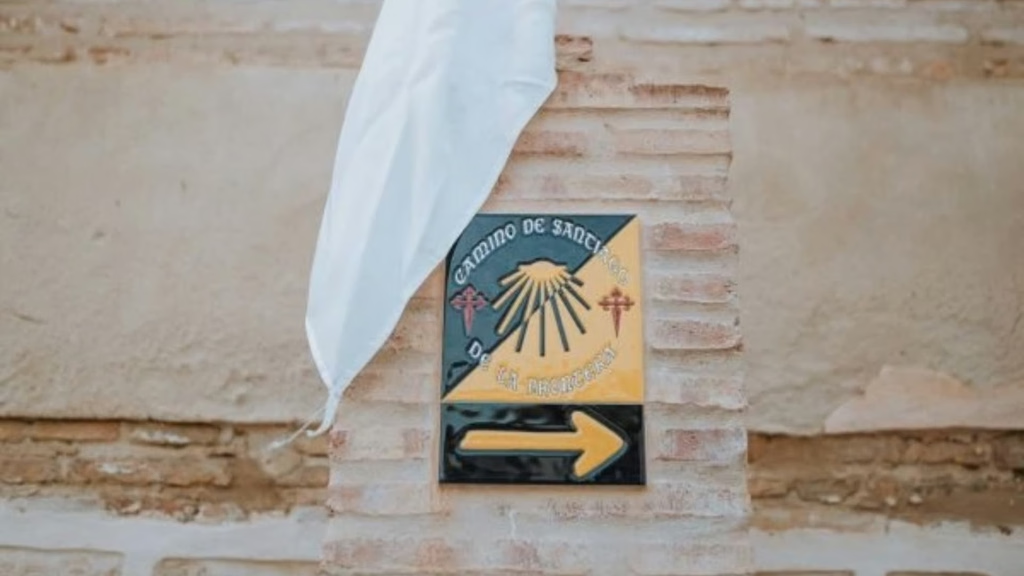
Along the Camino de Santiago, we can find different commanderies of the Order of Santiago that left their mark on history:
- Commandery of Puente la Reina (Navarre): It is located at a strategic point on the Camino Francés; it controlled the river Arga and the junction between the Navarrese and Aragonese routes
- Commandery of Portomarín (Lugo): It controlled the crossing of the river Miño, and cared for pilgrims entering Galicia via the Camino Francés.
- Commandery of Villalcázar de Sirga (Palencia): An important centre of the Order of Santiago on the Camino Francés.
- Commandery of Carrión de los Condes (Palencia): They managed a hospital and controlled one of the important sections of the route.
- Commandery of San Marcos de León: One of the most outstanding of the Order.
Frequently asked questions about the commandery of the Order of Santiago
How many commanderies did the Order of Santiago come to have?
The Order of Santiago came to have more than 80 commanderies spread throughout the Iberian Peninsula, from Galicia to Andalusia. The most important ones were located on the Camino de Santiago and in the border areas with Islam.
What is the difference between a commandery and a priory?
The commandery was a territorial and administrative unit of the Order, managed by a commander. The priory, by contrast, was a religious community governed by a prior, with more spiritual and less military functions. In the Order of Santiago, both could coexist in the same territory.