Why are there sanctions and prohibitions on the Camino de Santiago?
The Camino de Santiago receives thousands of pilgrims every year, and this situation makes it necessary to create rules that guarantee coexistence and the conservation of the environment. Sanctions and prohibitions on the Camino de Santiago do not limit the pilgrim’s freedom; rather, they protect historical and natural heritage and prevent conflicts.
It should be borne in mind that a large part of the Camino de Santiago runs along public roads, highways and rural paths, so it is subject to traffic regulations and municipal bylaws. On the other hand, cyclists must comply with the same rules as any other vehicle, and failure to do so can result in financial fines.
Prohibitions on the Camino de Santiago for cyclists
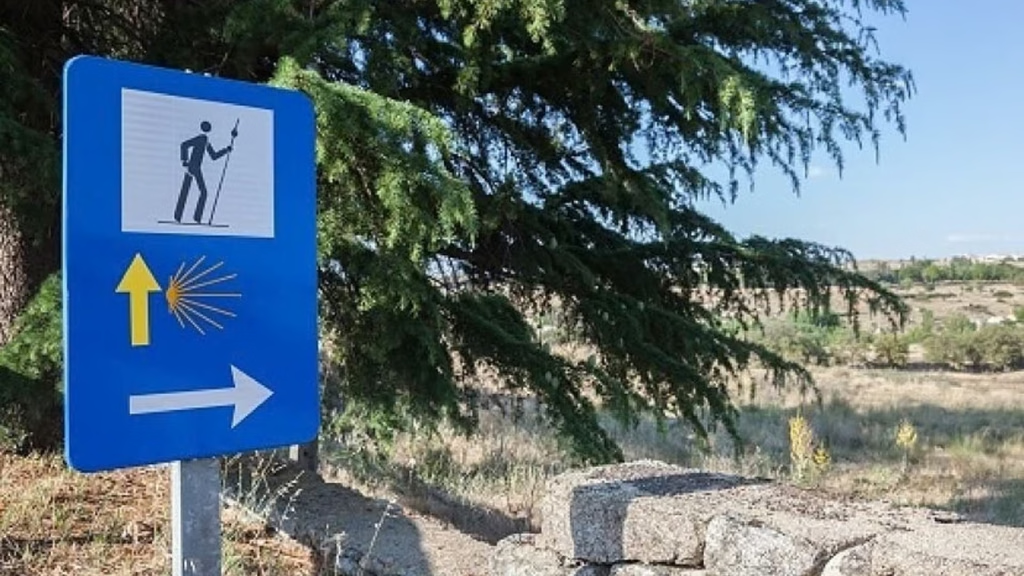
Cycling on pavements and pedestrian areas
It is forbidden to cycle on pavements, squares and pedestrian areas, unless they are signposted as suitable for cyclists. In cities and towns, this infraction is very common and can be punished with fines of up to 200 euros. The purpose of the rule is to protect pedestrians.
Cycling on restricted trails and paths
It should be borne in mind that some sections of the Camino de Santiago pass through trails, natural parks or protected areas where cycling is forbidden. Cycling through these areas leads to a fine, so before setting off, find out about the restrictions on each stage.
Not respecting traffic signs
Like any other vehicle, cyclists are obliged to respect traffic signs, traffic lights and traffic rules. You can commit serious infractions, such as failing to stop at a stop sign or crossing into the oncoming lane, which are punished with fines of 200 to 500 euros.
Most common sanctions for pilgrims on bicycles
Fines for cycling without lights or without a helmet
Cycling without the required lights in low-visibility conditions can be punished with fines of up to 200 euros. It should also be borne in mind that helmets may be required on interurban roads by local regulations.
Sanctions for not respecting traffic rules
Not respecting traffic rules can lead to fines ranging from 100 to 500 euros. In addition, the sanctions are more serious if other road users are put at risk.
Sanctions for damaging heritage or the environment
You can be fined for damaging documents, painting graffiti, pulling up plants or leaving rubbish on the Camino de Santiago, in addition to the possible legal consequences for damage to historical heritage. If the environment is damaged, local authorities can impose serious sanctions.
Prohibitions in hostels and camping areas on the Camino de Santiago
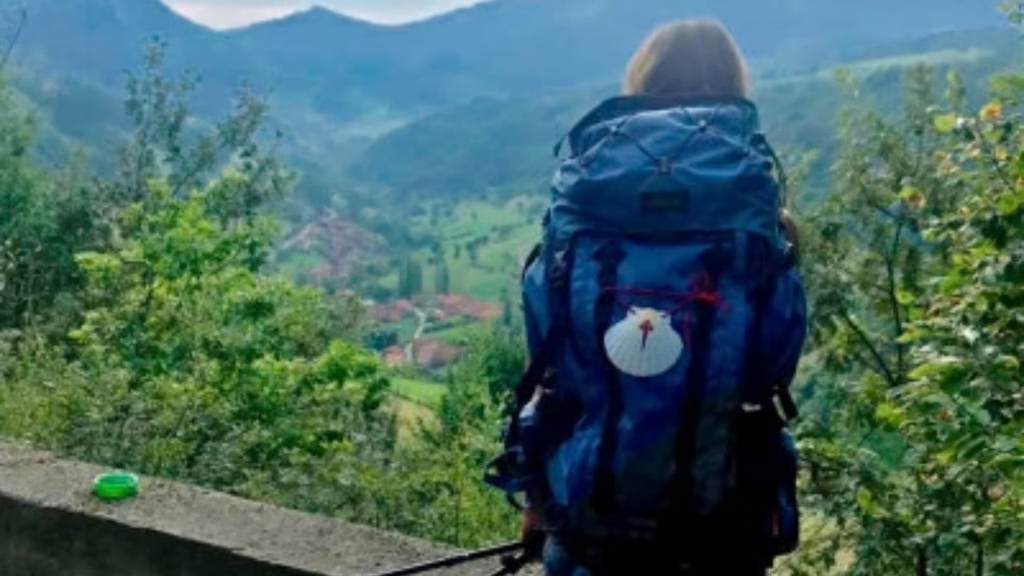
The prohibition of camping outside campsites
Camping outside authorised campsites can be punished with fines that vary depending on the Autonomous Community you are in, ranging from 60 to 600 euros. Free camping is prohibited in most of the Autonomous Communities through which the Camino de Santiago runs.
Rules of coexistence in hostels
Each hostel has its own rules of coexistence, and failure to comply with them can lead to expulsion from the hostel or refusal of service on other occasions.
Other prohibitions and sanctions on the Camino de Santiago
Taking pets without a leash or without control
Depending on the Autonomous Community you are in, the regulations may vary, but as a general rule dogs must be kept on a leash and under control in public places. In some places, such as natural parks and protected areas, access with pets may be restricted. Failure to comply with any regulation can be punished with fines.
Lighting fires in prohibited areas
Lighting fires in forest areas or during periods of fire risk is prohibited and can be punished with very high fines, in addition to possible criminal liability. On many sections, any type of fire is prohibited.
Littering or damaging the environment
Littering or leaving waste on the Camino is an infraction. In addition, this practice damages the environment and spoils the experience of other pilgrims. The recommendation is to carry a bag for your rubbish and throw it in the designated bins.