Who was Santo Domingo de la Calzada?
Santo Domingo de la Calzada was born in 1019 in Viloria de Rioja, a village in Burgos. His family were humble peasants, and from a young age he felt a religious calling. Furthermore, he decided to devote himself to the hermit life and to helping pilgrims.
He settled as a hermit in an area next to the Oja River, where Santo Domingo de la Calzada is located today. There, he began caring for the pilgrims heading toward Santiago, offering them shelter, food, and assistance in crossing the area’s roads.
The work of Santo Domingo de la Calzada on the Camino de Santiago
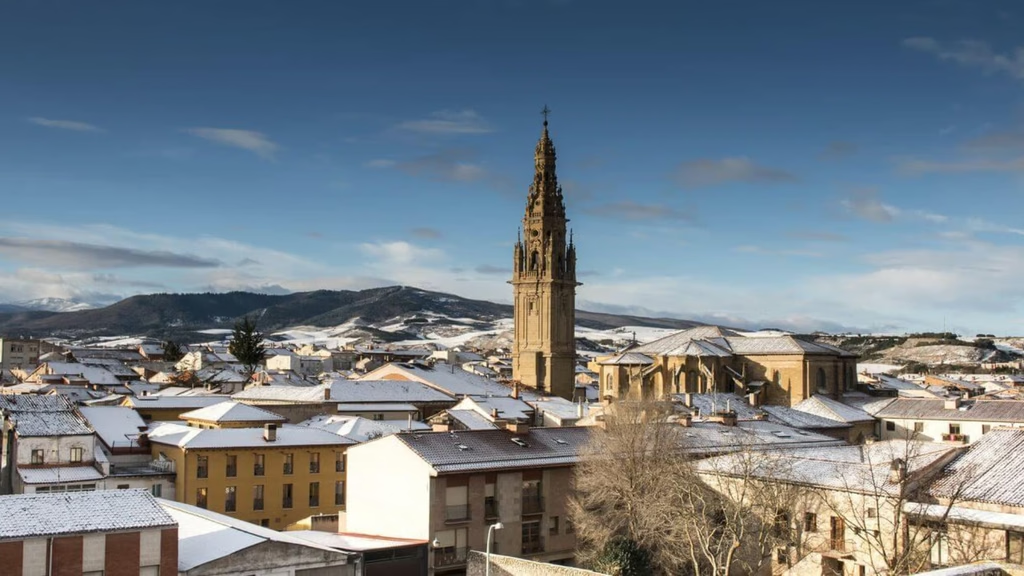
Santo Domingo’s contribution to the Camino de Santiago was his work as a builder. In ancient times, Dominic dedicated himself to constructing bridges and paved roads to facilitate the passage of pilgrims. Specifically, he is credited with building the bridge over the Oja River and improving the road connecting Nájera to Redecilla del Camino.
Additionally, Dominic founded a pilgrims’ hospital, which became one of the most important on the French Way. This site provided food and care for sick or exhausted pilgrims, serving as the origin of the settlement that is now the city of Santo Domingo de la Calzada.
The most famous miracle of Santo Domingo de la Calzada: the legend of the rooster and the hen
The most famous miracle attributed to Santo Domingo de la Calzada is that of the innocent pilgrims. Legend has it that a young German and his parents, who were on pilgrimage, stopped in the town. A local girl fell in love with the young man and, upon being rejected, sought revenge. She hid a silver cup in the young man’s backpack and reported him for theft.
The young man was sentenced to hanging. The parents continued their pilgrimage, and on their return, they stopped at the gallows to pray for their son. To their surprise, their son was still alive, as Santo Domingo had supported his feet at the gallows. The parents ran to tell the magistrate, who was about to eat a rooster, and he replied: “Your son is as alive as this rooster.” Immediately, the rooster jumped from the plate and crowed. The miracle had come true.
The Canonization and Devotion to Santo Domingo de la Calzada
Santo Domingo de la Calzada was canonized in 1030, years after his death, by Pope John XIX. His reputation for holiness and his work helping pilgrims spread rapidly throughout Europe, and he soon became one of the saints most frequently invoked by travelers.
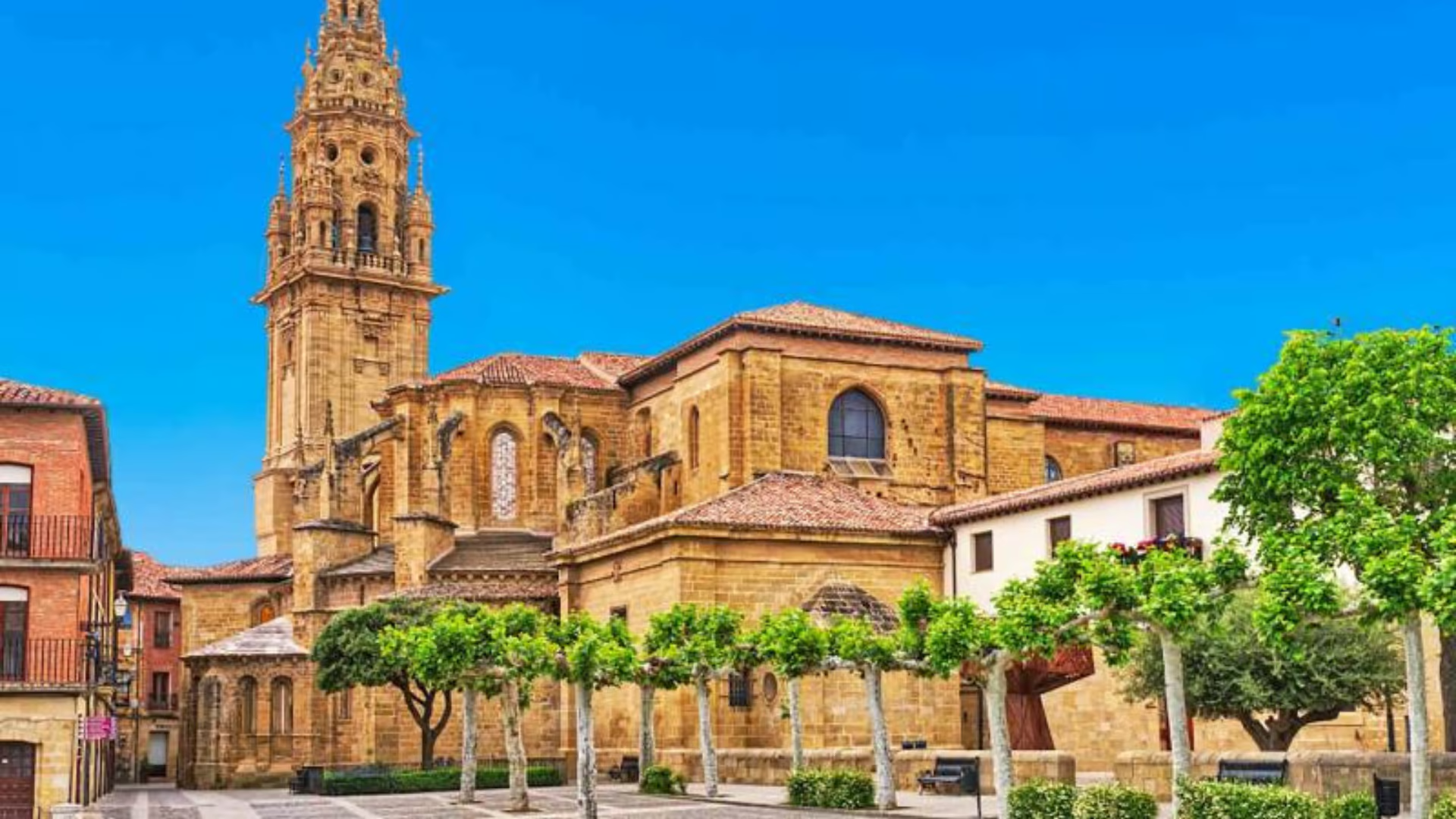
Today, his feast day is celebrated on May 12th, and every year thousands of pilgrims visit Santo Domingo de la Calzada to participate in the traditional blessing of the pilgrims. The city is a mandatory stop on the French Way, and its cathedral is one of the most visited monuments along the route.
Frequently asked questions about Domingo de la Calzada
When is the feast day of Santo Domingo celebrated?
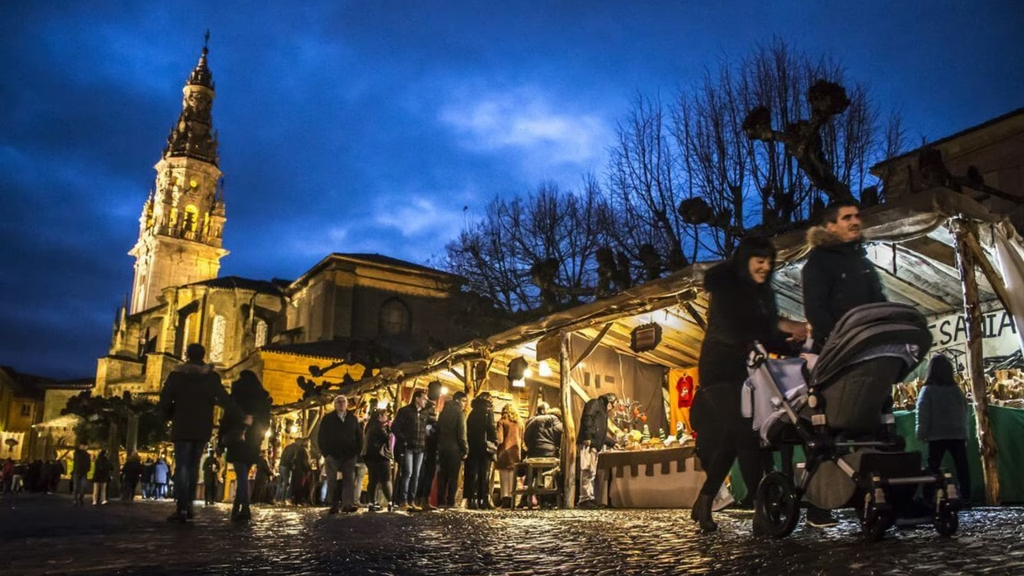
The feast day of Santo Domingo de la Calzada is celebrated on May 12th. It is a very significant date in the town, featuring religious events, processions, and cultural activities.
Why are there a rooster and a hen in the cathedral?
The rooster and the hen are a reminder of Santo Domingo’s most famous miracle: that of the innocent pilgrim saved from the gallows. Inside the Cathedral of Santo Domingo de la Calzada, there is a henhouse with live birds—periodically replaced—which has become one of the most recognizable symbols of the church.
What is his connection to Santo Domingo de Silos?
Although they share a name, they are two different saints. Santo Domingo de Silos was an 11th-century Benedictine monk and abbot of the Monastery of Silos, whose feast day is celebrated on December 20th. Santo Domingo de la Calzada, on the other hand, was a hermit and road builder whose feast day is May 12th. Both are highly revered saints along the Camino de Santiago, but their lives and achievements are distinct.