Monasteries of the French Camino de Santiago
The French Camino de Santiago has the largest concentration of monasteries of all the Jacobean routes.
Monastery of San Juan de Ortega (Burgos)
Located between Burgos and León, it was founded in the 12th century by San Juan de Ortega, a disciple of Santo Domingo de la Calzada. This monastery is one of the best examples of Romanesque architecture on the Camino de Santiago. It contains a church with a famous capital of the Annunciation and a cloister.
Monastery of San Millán de la Cogolla (La Rioja)
This monastery is known as the “cradle of Spanish”, as it was where the Glosas Emilianenses were written, the first written text in Castilian. It contains two monasteries:
- The one of Suso (Mozarabic and Romanesque)
- The one of Yuso (Renaissance and Baroque)
Monastery of Santa María la Real de Nájera (La Rioja)
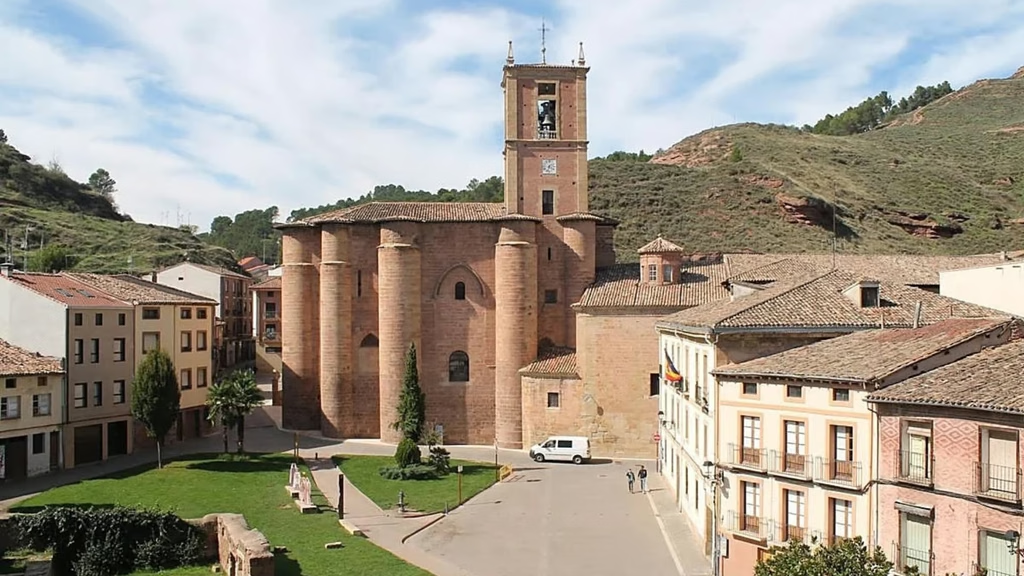
This monastery was founded in the 11th century and was the royal pantheon of the kings of Navarre, and is one of the most important monastic centres on the Camino. It contains a Romanesque cloister of the knights with decorated arches.
Monastery of San Zoilo in Carrión de los Condes (Palencia)
Former Benedictine monastery, it was an important pilgrim hospital in the Middle Ages, and contains a cloister considered one of the most beautiful on the French Way.
Monastery of Samos (Lugo)
Considered one of the largest monasteries in all of Galicia, it was founded in the 6th century. This monastery had great power in the Middle Ages and contains a church, a cloister and its guesthouse, which currently welcomes pilgrims.
Monasteries of the Northern Camino de Santiago
The Northern Way contains numerous monasteries of great historical and artistic value.
Monastery of Zenarruza (Biscay)
This Cistercian monastery, founded in the 14th century, was considered an important pilgrim hospital on the coastal route. It contains a Gothic church and a cloister.
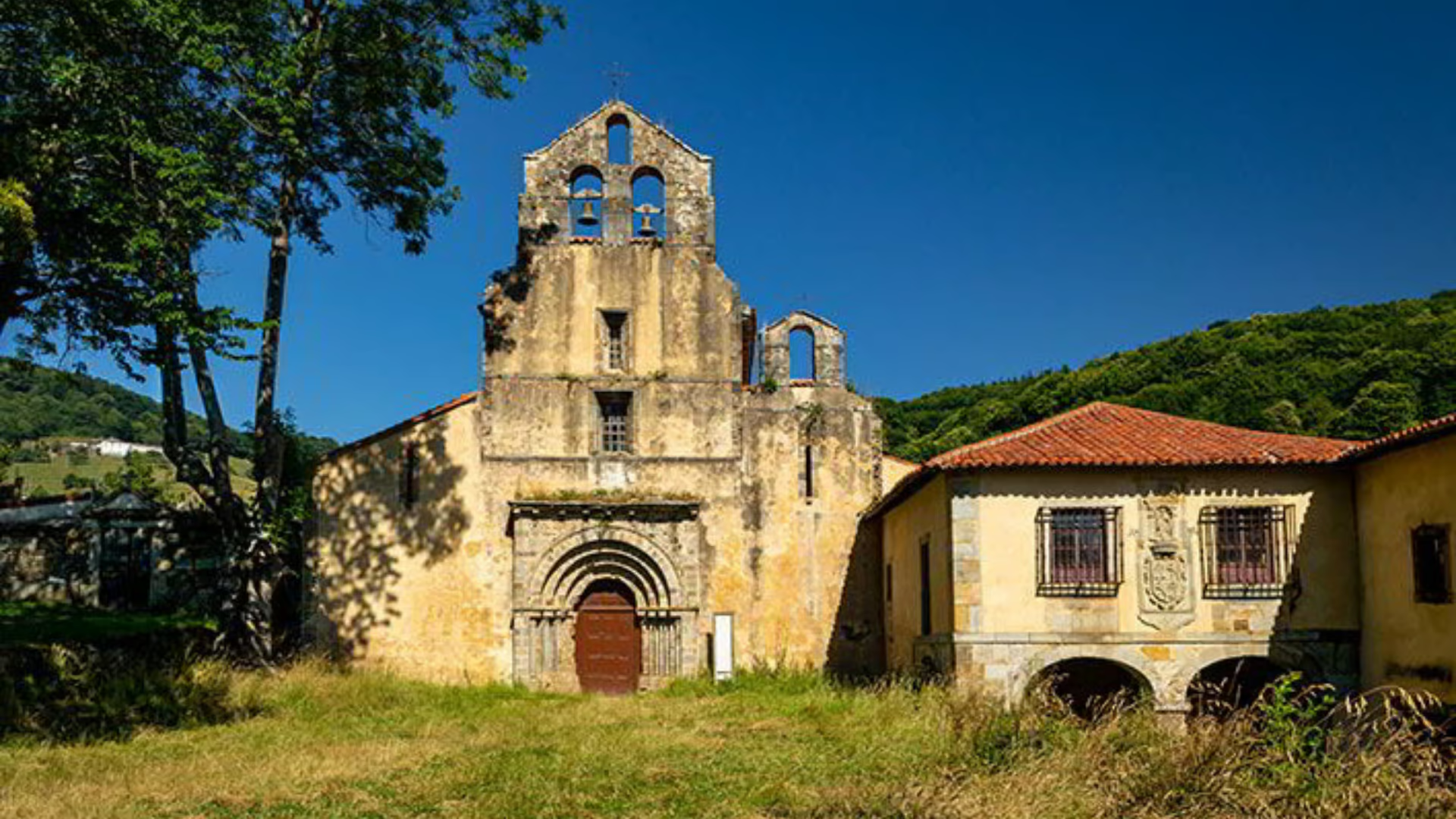
Monastery of Santa María la Real de Obona (Asturias)
Benedictine monastery founded in the 8th century, it was considered one of the most important in Asturias. Its Romanesque church and cloister preserve the essence of its Romanesque past.
Monastery of Sobrado dos Monxes (A Coruña)
12th-century Cistercian monastery. Its church, cloister and guesthouse, which still welcomes pilgrims, make it a place of rest before the final stages to Santiago.
Monastery of the Portuguese Camino de Santiago
The Portuguese Way has several monasteries of great historical relevance.
Monastery of Tibães (Braga, Portugal)
Benedictine monastery, founded in the 11th century, it was one of the most important in Portugal. It contains a Baroque church and a Portuguese Romanesque cloister.
Monastery of San Martiño Pinario (Santiago de Compostela)
Located opposite the Cathedral of Santiago, it was one of the largest in Galicia. It has a Baroque façade and an interior with its church and cloister.
Monastery of the Via de la Plata
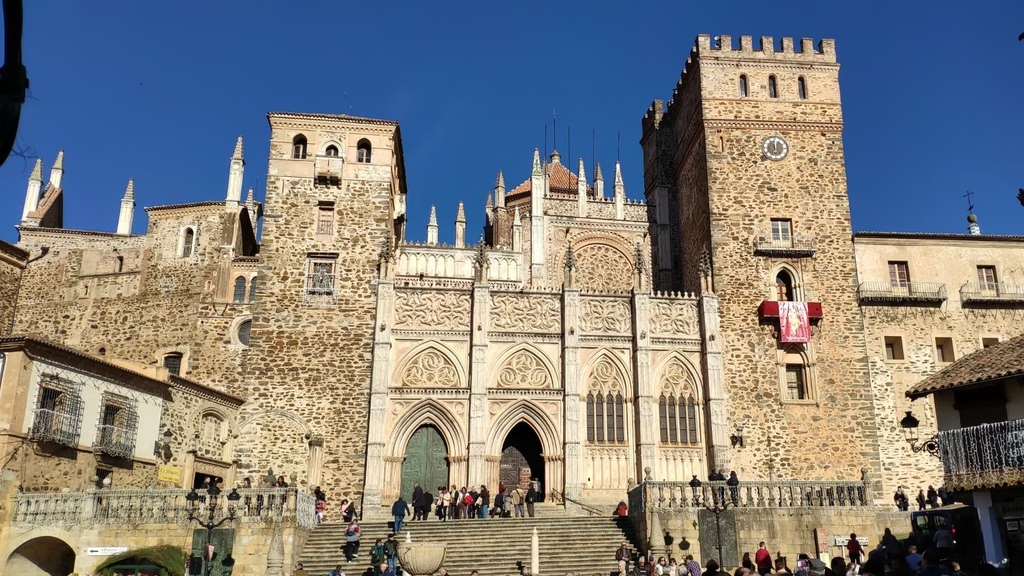
The Via de la Plata, although less travelled, has monasteries of great heritage value.
Monastery of Guadalupe (Cáceres)
Hieronymite monastery, declared a World Heritage Site, considered one of the most important in Spain. Its link with the Camino de Santiago and its architectural complex make it an unforgettable visit.
Monastery of San Vicente de Oviedo
You will find it in Oviedo; it is one of the oldest Benedictine monasteries in Asturias. The church and cloister preserve their monastic essence.
Monasteries of the Primitive Camino de Santiago
The Primitive Way has key monasteries in the history of Asturias and Galicia.
Monastery of San Salvador de Cornellana (Asturias)
Benedictine monastery founded in the 11th century, considered one of the best examples of Asturian Romanesque. The church, with its spectacular portico, is dazzling.
Monastery of San Juan de Villanueva de Oscos (Asturias)
Cistercian monastery founded in the 12th century. It was considered an important monastic centre on the primitive route.