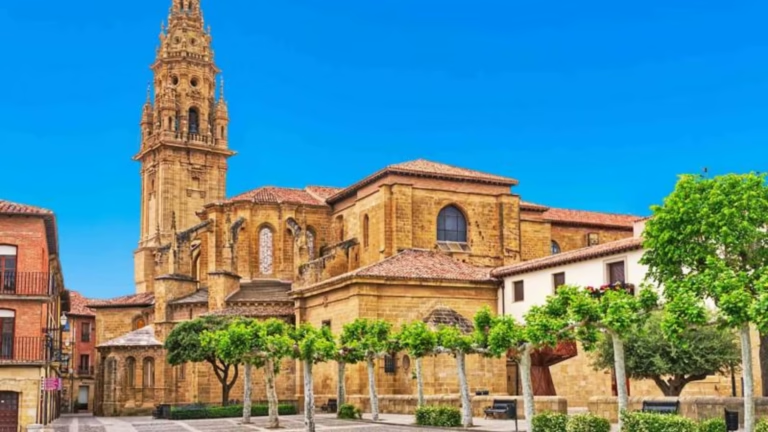
What were pilgrim hospitals?
Pilgrim hospitals were charitable and welfare establishments that provided accommodation, food and care to pilgrims who decided to make the pilgrimage to Santiago de Compostela. Pilgrim hospitals focused on comprehensive welcome: they covered the walker’s basic needs and provided a place to recover before continuing their journey.
The difference between a hospital, a hostel and an inn was not always clear in the Middle Ages.
- The hospital was a larger institution with more resources, which cared for the sick and the needy.
- The hostel was a place to stop along the way, with fewer services.
- The inn was an establishment managed by a religious order or a brotherhood.
You could also find pilgrim hospitals that covered all three functions: they welcomed, fed and cared for walkers.
The origin of the first pilgrim hospitals
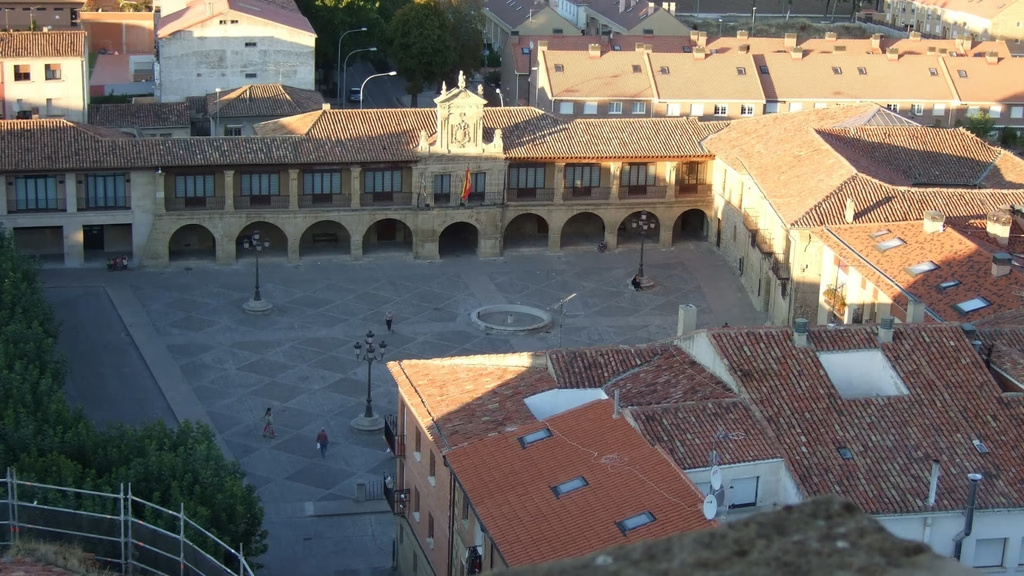
The origin of pilgrim hospitals goes back to the Early Middle Ages, when pilgrimages to Compostela grew. At that time the roads were dangerous and services scarce, and pilgrims depended on the charity of monasteries, bishops and kings in order to survive.
Specifically, the first pilgrim hospitals emerged in the 11th and 12th centuries, coinciding with the rise of Jacobean pilgrimage. Many were founded by monasteries and religious orders. Others were created by kings and nobles, who sought to build ties with the Church and show their generosity.
Who founded the first pilgrim hospitals?
The first pilgrim hospitals were founded by a variety of patrons: kings, nobles, bishops, abbots, brotherhoods and guilds. Each of these patrons contributed their resources and influence to create and maintain the institutions.
- Kings and nobles founded hospitals as an act of piety and to show their power and generosity.
- Bishops and abbots created hospitals in their dioceses and monasteries, and managed them through their religious communities.
- Brotherhoods and guilds, made up of pilgrims and devotees of the Apostle, founded hospitals to care for walkers.
How did the first pilgrim hospitals work?
The way pilgrim hospitals worked varied depending on their size and resources, but they normally followed a common pattern. When pilgrims arrived, they were received by the hospitalero, who welcomed them and gave them a place to rest. They were given a hot meal, a bed and basic care for their wounds or illnesses.
The funding of pilgrim hospitals came from donations, land rents and alms. Most hospitals had properties and rights that allowed them to support themselves, and others depended on charity. Care was free for poor pilgrims.
The first and most important pilgrim hospitals on the Camino
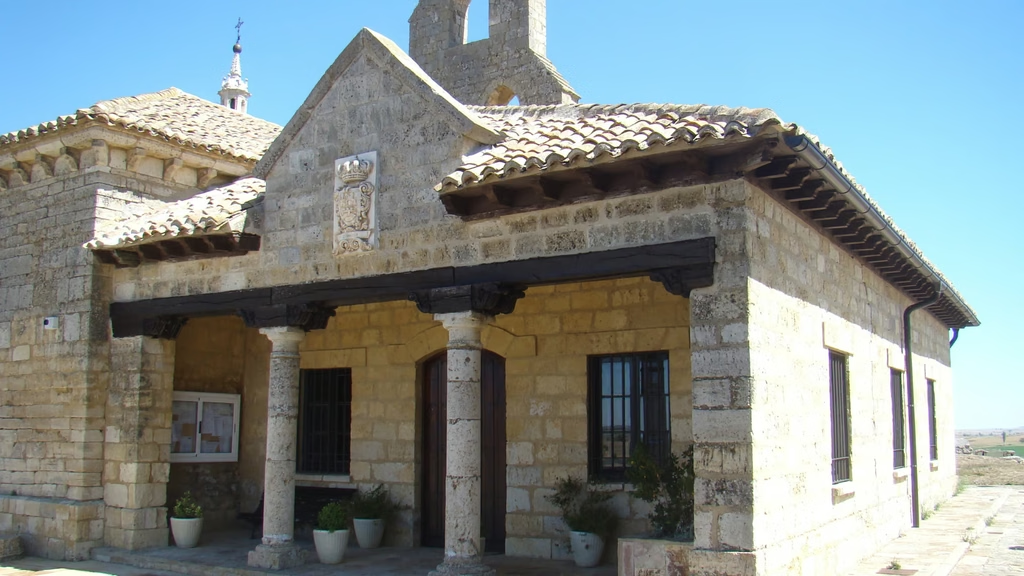
Along the entire Camino de Santiago, numerous pilgrim hospitals emerged. Many hospitals achieved great fame and renown:
- The Hospital of Santa Cristina de Somport: Located in the Aragonese Pyrenees, it was one of the most famous in Christendom. It cared for pilgrims crossing the Somport pass.
- The Hospital of San Juan de Jerusalén in Puente la Reina: It was managed by the Order of Saint John and cared for pilgrims passing through Navarre
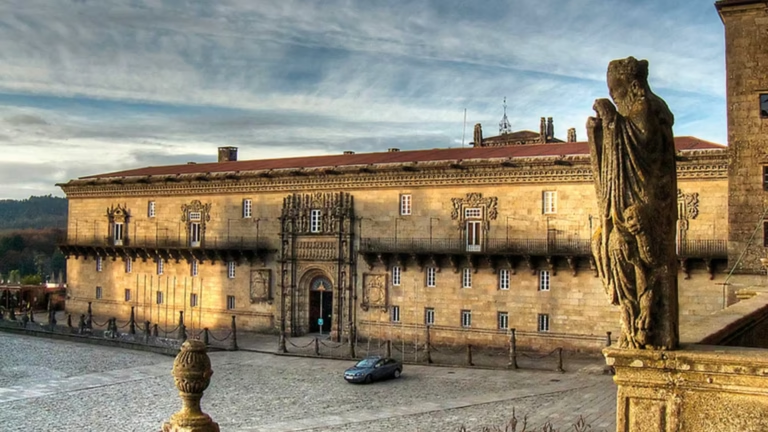
- The Hospital of the Catholic Monarchs in Santiago: It was founded in 1499 by the Catholic Monarchs, became the first luxury hotel in Europe and cared for pilgrims who had just arrived in Compostela.
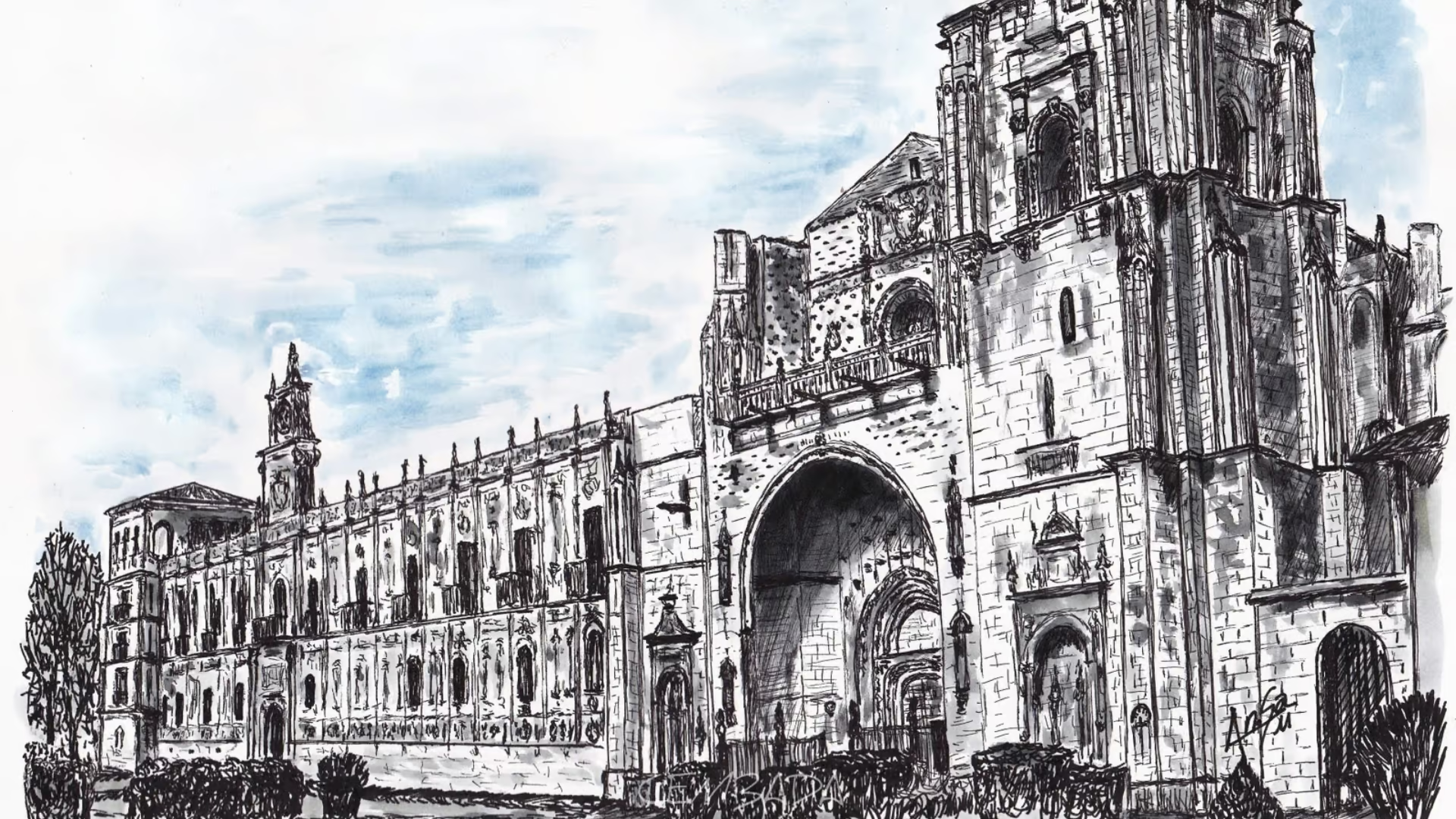
- The Hospital of San Marcos de León: Founded by the Order of Santiago, it cared for pilgrims on their way through León.
- The Hospital of Villafranca del Bierzo: It cared for pilgrims who could not continue their journey because of illness or exhaustion.
Questions about the first pilgrim hospitals
What was the first pilgrim hospital in history?
The first documented pilgrim hospital is the Hospital of Santa Cristina de Somport, in the Aragonese Pyrenees, which already existed in the 11th century. It was one of the most important in Christendom and cared for pilgrims crossing the Pyrenees along the Camino Aragonés.
Were pilgrim hospitals free?
Yes, in general care in pilgrim hospitals was free, especially for poor pilgrims. They were funded by donations, rents and alms, and pilgrims who could afford it left a voluntary contribution in gratitude.