The Villages of the French Way: The Heart of Tradition
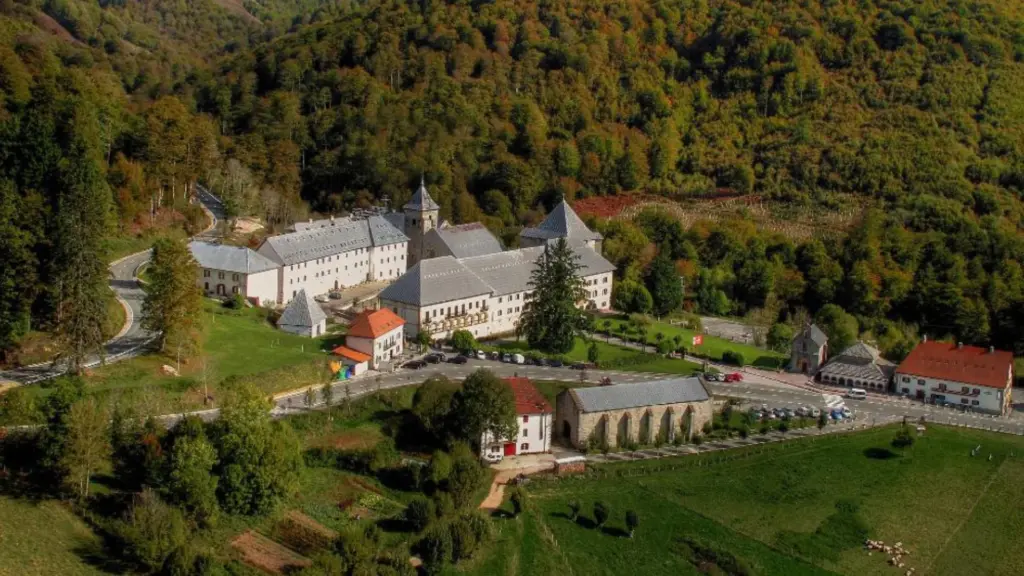
Roncesvalles
After overcoming the steep slopes of the Pyrenees, this place in Navarra appears surrounded by beech forests. Roncesvalles is characterized by a medieval atmosphere, with an impressive Collegiate Church of Santa María and the Charlemagne Silo, providing a refuge where the silence is only broken by the sound of the small streams.
Puente la reina
This town is a geographical milestone; its streets are the exact point where the French Way from the Pyrenees and the Aragonese Way merge. Its greatest monument is the six-arched Romanesque bridge over the Arga River, which was commissioned by the queens of Navarra
Sain-Jean-Pied-de-Port
Located on the French side of the Pyrenees. A fortified town, it serves as the traditional km 0 for thousands of pilgrims. Strolling through its Rue de la Citadelle, with pink sandstone facades and timber-framed beams.
Burguete
This village stands out for its appearance of noble homesteads with steep gable roofs and wooden shutters lined up along the roadway.
Castrojeriz
This elongated town unfolds at the foot of a prominent hill crowned by the ruins of a medieval castle. It contains fortified churches, such as San Juan, and the ruins of the nearby Convent of San Antón
Frómista
This town is ideal for lovers of medieval times and hydraulic engineering. You will find the Church of San Martín de Tours, considered the pinnacle of pure Romanesque in Spain thanks to the harmony of its lines and its more than 300 sculpted corbels; its layout coincides with the Canal de Castilla.
Castrillo de los Polvazares
In the Maragatería area, this town is a time machine, declared a Historical-Artistic Site. The streets are paved with cobblestones and its houses feature reddish stone with bright green and blue gates. In terms of gastronomy, the traditional cocido maragato stands out.
Molinaseca
After passing the Cruz de Ferro, upon descending you will arrive at Molinaseca, a true oasis in El Bierzo. Its medieval stone bridge crosses the Meruelo River, which in summer is set up as a river pool.
Villafranca del Bierzo
Known as “the little Compostela.” Getting lost in this Bercian town will allow you to contemplate stately palaces and coats of arms, highlighting the Church of Santiago, the only temple where pilgrims who fell ill could obtain the Full Indulgence without needing to reach Santiago.
O Cebreiro
A mythical Galician village located at an altitude of over 1,300 meters. O Cebreiro keeps intact its stone pallozas with thatched roofs of pre-Roman origin, giving rise to a Celtic landscape.
The Rural Jewels of the Portuguese Way
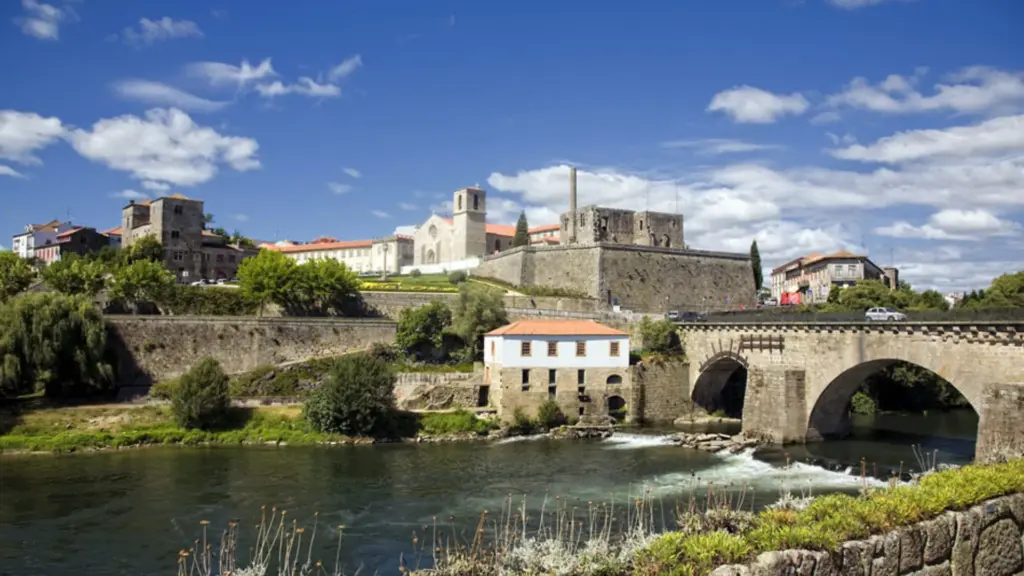
Valada
Located in the early stages of the route, on the banks of the Tagus, Valada is a small village. Its white houses with bluish and yellow baseboards reflect the river waters, offering a unique landscape.
Colegã
This town is known as the Portuguese capital of the horse; its monumental jewel is the Mother Church (Iglesia Matriz), which features a Manueline-style portal carved in stone with maritime motifs that will surprise pilgrims.
Alvorge
This small Portuguese village represents the Lusitanian rural essence. It contains narrow limestone streets, olive groves, and the ruins of its ancient medieval tower house.
Barcelos
This medieval city is known for being the birthplace of the “Rooster of Barcelos” (a national symbol of Portugal). This city is linked to the Camino de Santiago by its famous legend of an innocent pilgrim saved from the gallows. You will find a beautiful Gothic bridge over the Cávado River, and the center is packed with Baroque churches covered in blue tiles.
Ponte de Lima
Considered the oldest town in all of Portugal. It features a beautiful bridge of Roman and medieval origin that crosses over the Lima River.
Caminha
Caminha is located at the mouth of the Miño River, on the natural border with Spain. Its fortified historic center preserves three medieval towers and beautiful Renaissance facades, serving as the logistical point where pilgrims board the ferry to cross the waters into Galicia.
Tui
After crossing the Miño River via the iron bridge, you enter Spain through this impressive Galician city. There you will find its prominent Cathedral of Santa María, a fortified church with military battlements that watches over the border.
The Coastal Towns of the Northern Way
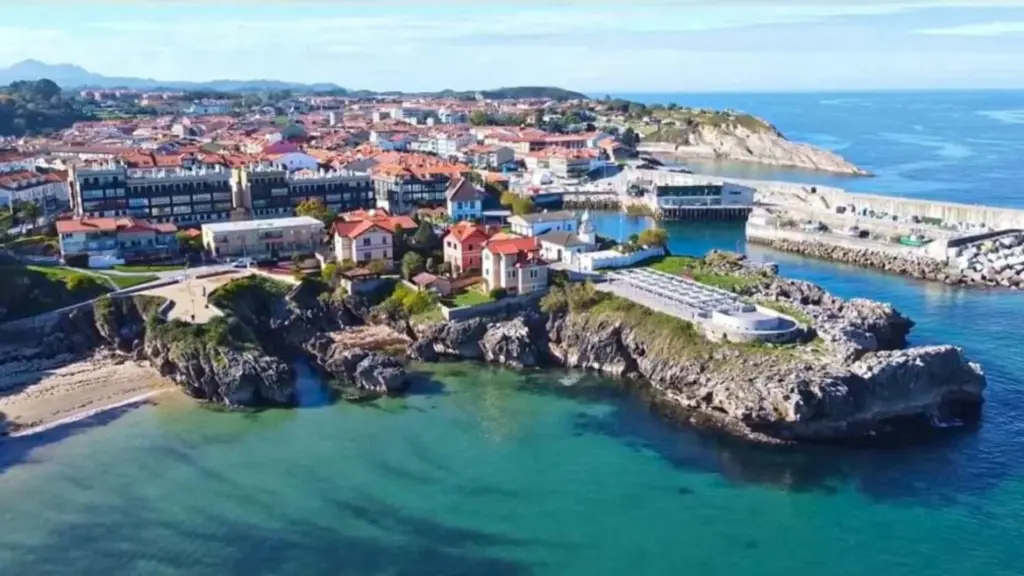
Getaria
This jewel located in Guipúzcoa features a historic center of cobblestone streets that descends toward the port protected by Mount San Antón, known as “the mouse of Getaria.” Birthplace of Juan Sebastián Elcano and famous for its vineyards.
San Vicente de la Barquera
This beautiful Cantabrian town features an imposing medieval castle and a Gothic church elevated on a hill, surrounded by an estuary and with the peaks of the Picos de Europa on the horizon.
Santillana del Mar
Known as the “town of the three lies,” it is one of the best-preserved historical sites in Europe. Strolling through this town will show you defensive stone towers, ancestral manor houses with coats of arms, and the Collegiate Church of Santa Juliana.
Llanes
This Asturian town will surprise you with its 13th-century walls and its old town, which contrast with the colorful “Cubes of Memory” (Cubos de la Memoria) by artist Agustín Ibarrola on the harbor breakwater.
Mondoñedo
Mondoñedo, former capital of the Kingdom of Galicia, boasts a monumental square where its Cathedral rises, known as the “Kneeling Cathedral” due to its perfect proportions.
Towns and Villages of the Original Way
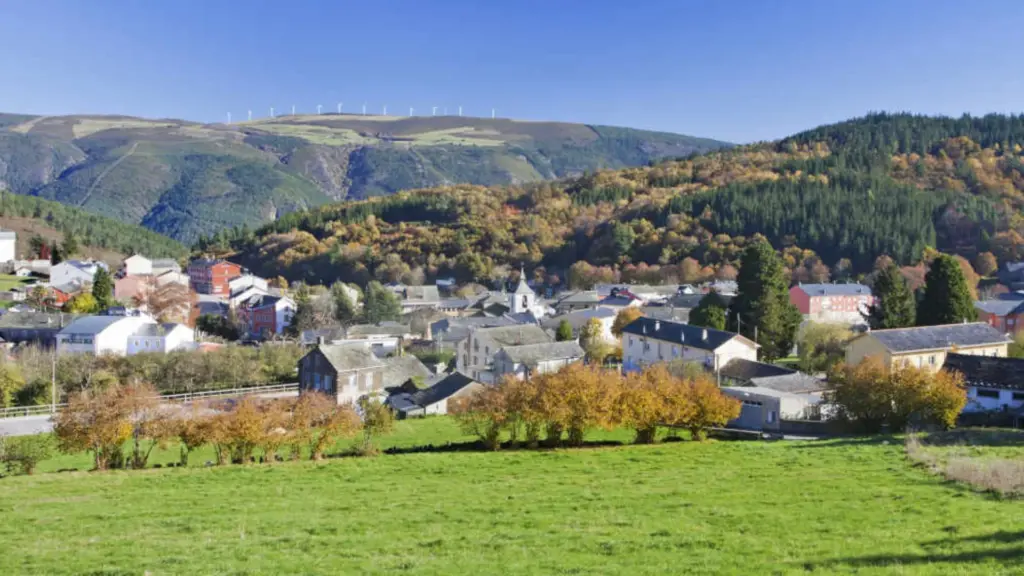
Salas
This beautiful Asturian town emerges from the bottom of a valley. Standing out in its historic center is the imposing Valdés Tower, a 14th-century medieval fortification joined by a stone arch to the family palace, creating an impressive monumental complex.
Tineo
The town of Tineo is one of the oldest stops on the Original Way. Its streets provide natural viewpoints over the Asturian valleys, highlights including its Palace of the García de Tineo.
Grandas de Salime
The last Asturian town before crossing the Puerto del Acebo to enter Galicia. This village welcomes you with its Church of San Salvador and its famous Ethnographic Museum.