The pilgrim’s big dilemma: Key factors for choosing the best time of year to do the Camino de Santiago
One of the biggest problems with looking for the best time of year to do the Camino de Santiago is striking a balance, where critical factors interact: the weather, the overcrowding of the trails, and the actual availability of the service infrastructure. If we overlook any of these variables, the travel experience can quickly go downhill.
One major factor is the weather: extreme temperatures affect your leg performance, increase the risk of dehydration or hypothermia, and dictate the weight of your luggage.
Another important factor is overcrowding: the “race effect” to see who gets to the next hostel first to grab a free bunk bed prevents you from enjoying the journey in the same way.
Additionally, you have to keep in mind that outside the peak tourist season, most private infrastructure and businesses close their doors for rest or vacations.
Spring (April to June): The Idyllic Season for the Camino de Santiago
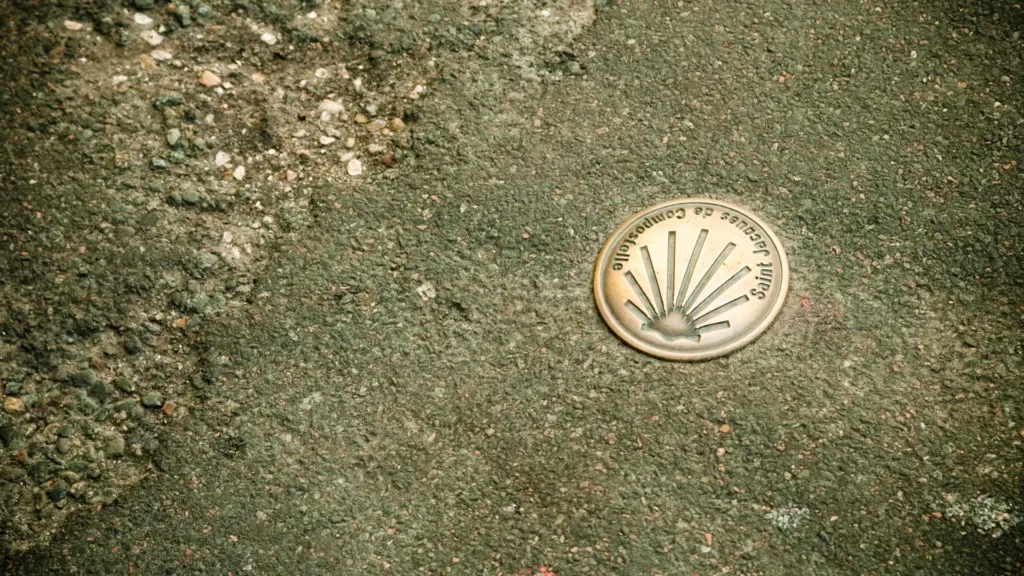
For the majority of experienced pilgrims and bicigrinos (bike pilgrims), spring is the best time of year to do the Camino de Santiago. During the months of April, May, and June, the nature of northern Spain displays an intense and dazzling green, brightening up each stage with its views.
Furthermore, from a thermal standpoint, spring offers ideal physical conditions. The days get noticeably longer, allowing you to move forward at a fluid pace without suffering the caloric depletion caused by the summer heat, while also making it easier to keep your luggage weight balanced and light.
The only downside to this season is the unpredictable weather of northern Spain. During this time, it is common to face days of heavy rain or cloudy fronts that blanket the mountain passes in fog.
Summer (July and August): The Extreme Heat
This is the time of year that hosts the highest volume of pilgrims. However, from a physical performance perspective, the summer season is highly demanding due to the extreme heat.
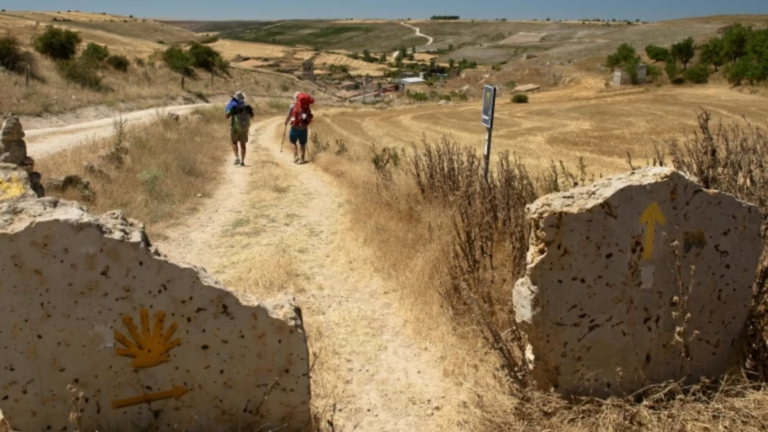
Crossing the endless plains of the Castilian meseta on the French Way under the summer sun can feel like an exercise in survival. Moreover, the asphalt and dirt tracks radiate temperatures of up to 40 degrees Celsius during peak hours of the day. For cyclists, this means waking up even earlier to finish the stage before noon and avoid heatstroke.
During this time, the strain on infrastructure and the overcrowding destroy the romance of the trip, forcing pilgrims to book accommodation weeks in advance or sleep in improvised sports centers. If summer is your only option, it is highly recommended to choose the coastal routes, such as the Northern Way.
Autumn (September and October): The Camino de Santiago’s Best-Kept Secret
During the autumn season, the Jacobean route undergoes a transformation. Autumn is the Camino de Santiago’s best-kept secret.
Weather-wise, autumn is one of the best seasons. You still get the long afternoons of summer but with much more bearable weather, which helps when tackling the toughest climbs. Additionally, you will find that the beech and oak forests in Navarre and Galicia are beginning to turn beautiful shades of ochre, gold, and red.
The main advantage of this time of year is that most pilgrim infrastructure and services remain open. With less demand, you can truly recover the magic and freedom of the journey.
Winter (November to March): Only for the Most Experienced Pilgrims
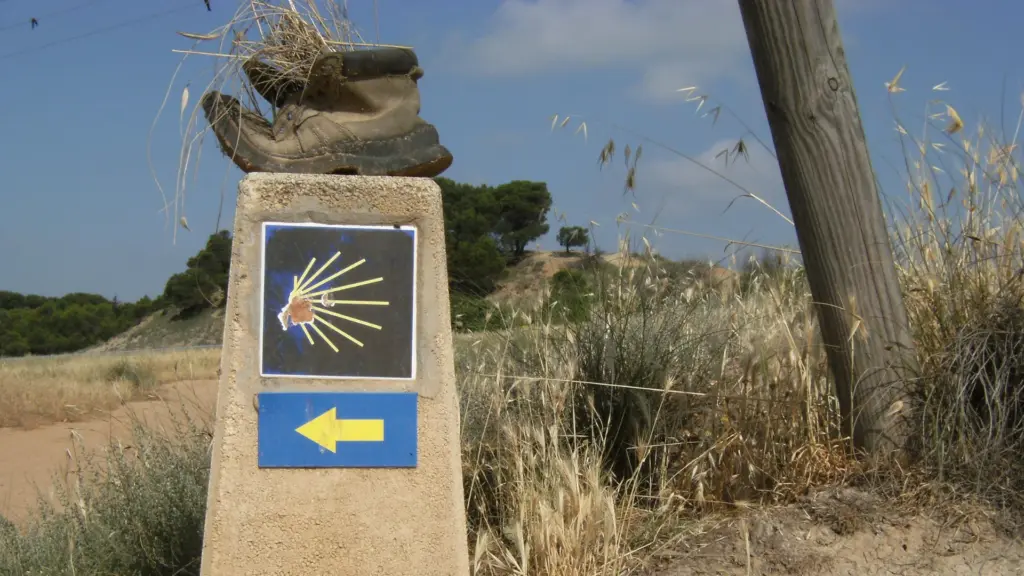
Tackling the Camino de Santiago during the winter season is an option reserved for experienced, self-sufficient, and resilient pilgrims. During this time of year, the route sheds all its comforts, turning into a journey of extreme endurance.
The major problem with winter is the high mountains. The legendary passes of the Pyrenees remain closed by law due to avalanche risk, diverting the route along the road. Summiting O Cebreiro in Galicia or the Cruz de Ferro in León demands impeccable physical and mental preparation.
Regarding logistics, more than 70% of the hostels close their doors for the low season, reducing overnight options to just a few municipal shelters or local guesthouses. This creates a need to plan every single millimeter of the route and walk with extra weight in your luggage due to thermal clothing and high-mountain sleeping bags.