Origin of the Order of Malta and its arrival on the Camino de Santiago
The Order of Malta (official name: the Sovereign Military Hospitaller Order of Saint John of Jerusalem, of Rhodes and of Malta) was founded in Jerusalem in the 11th century as a hospitaller order dedicated to caring for pilgrims visiting the Holy Land. They arrived on the peninsula in the 11th century, when the Christian kingdoms needed help to protect the pilgrimage routes and the borders.
The first reference in a document to the Order of Saint John on the Way dates from 1126, when King Alfonso I of Aragon granted them the church and hospital of San Juan de la Peña on the Aragonese Way. This link lasted for the following centuries and continued until the 19th century, when the military orders lost their defensive function after the Confiscation, and was recovered in the 20th century with the creation of the current hostels.
The network of hospitals of the Order of Malta on the Way
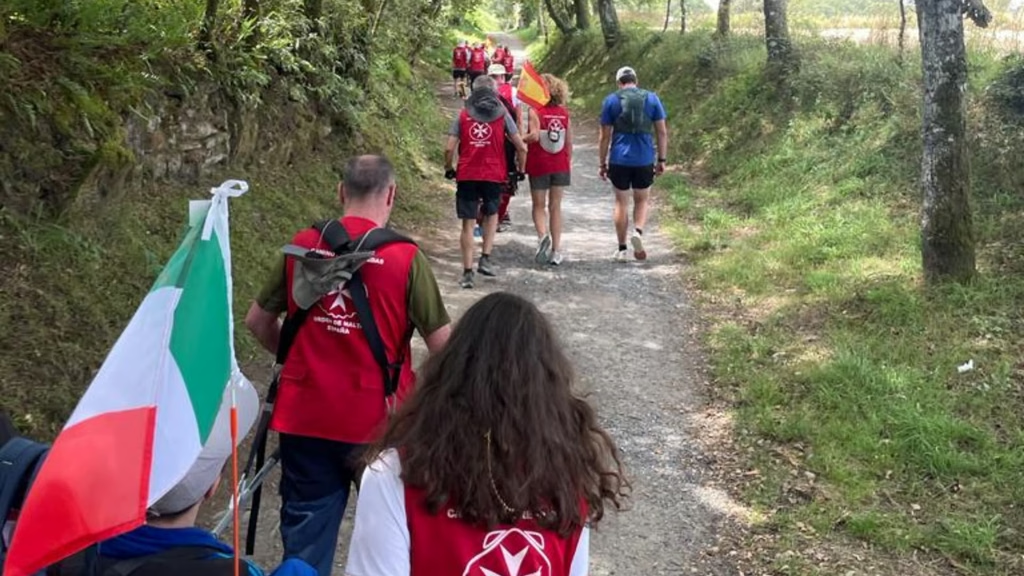
The hostels and hospitals of the Order of Malta covered the entire Camino de Santiago from the 11th to the 19th centuries. In these establishments, bed, food and basic care were offered to pilgrims travelling the Way to Compostela. The network of Hospitaller accommodation was dense throughout the French Way.
The knights of the Order of Malta protected pilgrims from the dangers of the Way, such as robbers and disease, and guaranteed safe passage on the most complicated stretches; many of these hospitals have disappeared.
Infrastructures of the Order of Malta today
The Order of Malta maintains its presence on the Camino de Santiago, and many of the old hospitals have been converted into pilgrim hostels. The Order’s churches remain reference points for pilgrims.
- Cizur Menor (Navarre): church and hostel. A few kilometres from Pamplona, you will find a hostel of the Order of Malta located next to an old 12th-century Hospitaller commandery. The church of San Juan remains a place of worship for pilgrims.
- Puente la Reina: strategic control of the Arga river. Puente la Reina was a strategic point for the Order of Malta. Its bridge served to ensure safe passage for pilgrims arriving from the routes.
- Portomarín: the commandery of San Juan. The Order of Malta had a commandery in Portomarín, which attended to pilgrims during their passage through the interior of Galicia. The Church of San Juan, which still survives, was moved and rebuilt stone by stone when the Belesar reservoir was built.
- Hospital de Órbigo and its Church of San Juan. This church still proudly displays the eight-pointed Maltese cross on its façade. This town is a living testimony of Hospitaller hospitality along the French Way. In addition, a parish hostel is maintained in the same town, run by volunteers from the Order of Malta Italy.
The Order of Malta today: hostels and pilgrim care
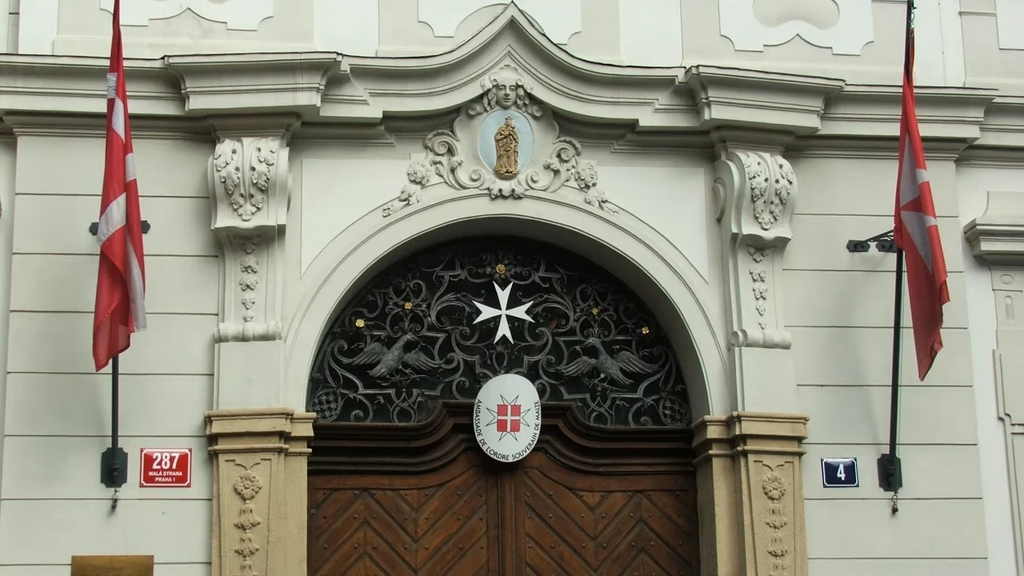
The Order of Malta is still present on the Camino de Santiago, maintaining a network of hostels, managed by volunteers, that provide free accommodation to pilgrims at different points on the French Way.
Hostels of the Order of Malta on the French Way:
- Hostel of Cizur Menor (Navarre): 27 beds. Open from 1 May to mid-October. Price 10€ with breakfast. It is located next to the 12th-century church of San Juan. It is essential for pilgrims and opens its doors at 12:00.
- Hostel of Villalcázar de Sirga (Palencia): 32 beds. It is adapted to accommodate pilgrims in wheelchairs, demonstrating the Order’s commitment to accessibility and inclusion on the Camino.
Additionally, the Order of Malta manages a first-aid post in Santiago de Compostela, which attends to pilgrims arriving at the end of the journey.
The “Camino sobre Ruedas” project
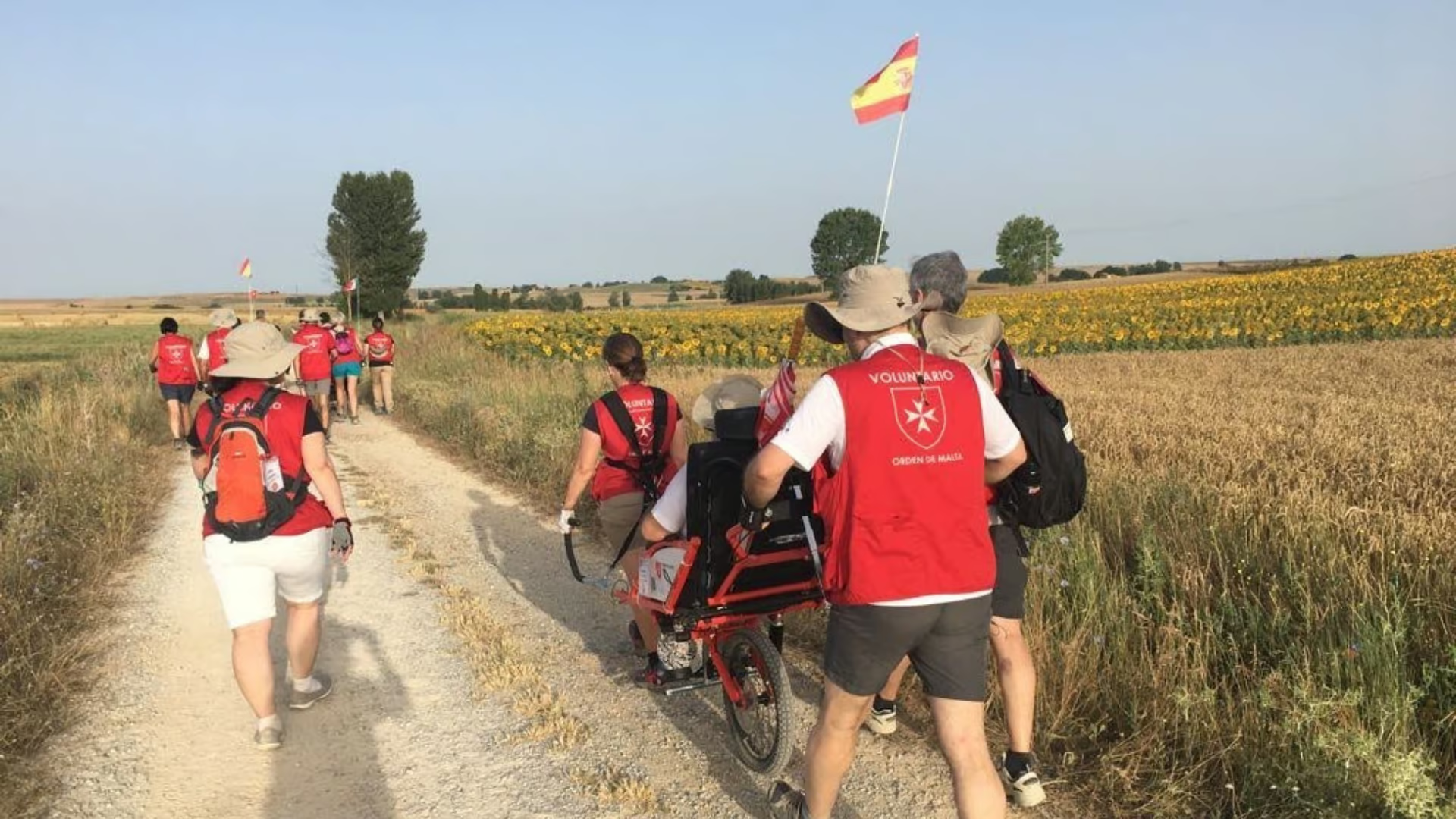
The Order of Malta works on a project called “Camino sobre Ruedas” (The Way on Wheels), which allows people with physical disabilities to make a pilgrimage to Santiago. This project provides the opportunity to experience the Camino to those who, due to their limitations, could not do it otherwise.
The opportunity consists of covering the last 110 kilometres of the French Way in a wheelchair, divided into 7 stages. The project has a team of volunteers who accompany the participants, helping them on the most complicated sections. It is a great example of how the spirit of welcome and hospitality of the Order of Malta remains alive, helping pilgrims.