What is an albergue?
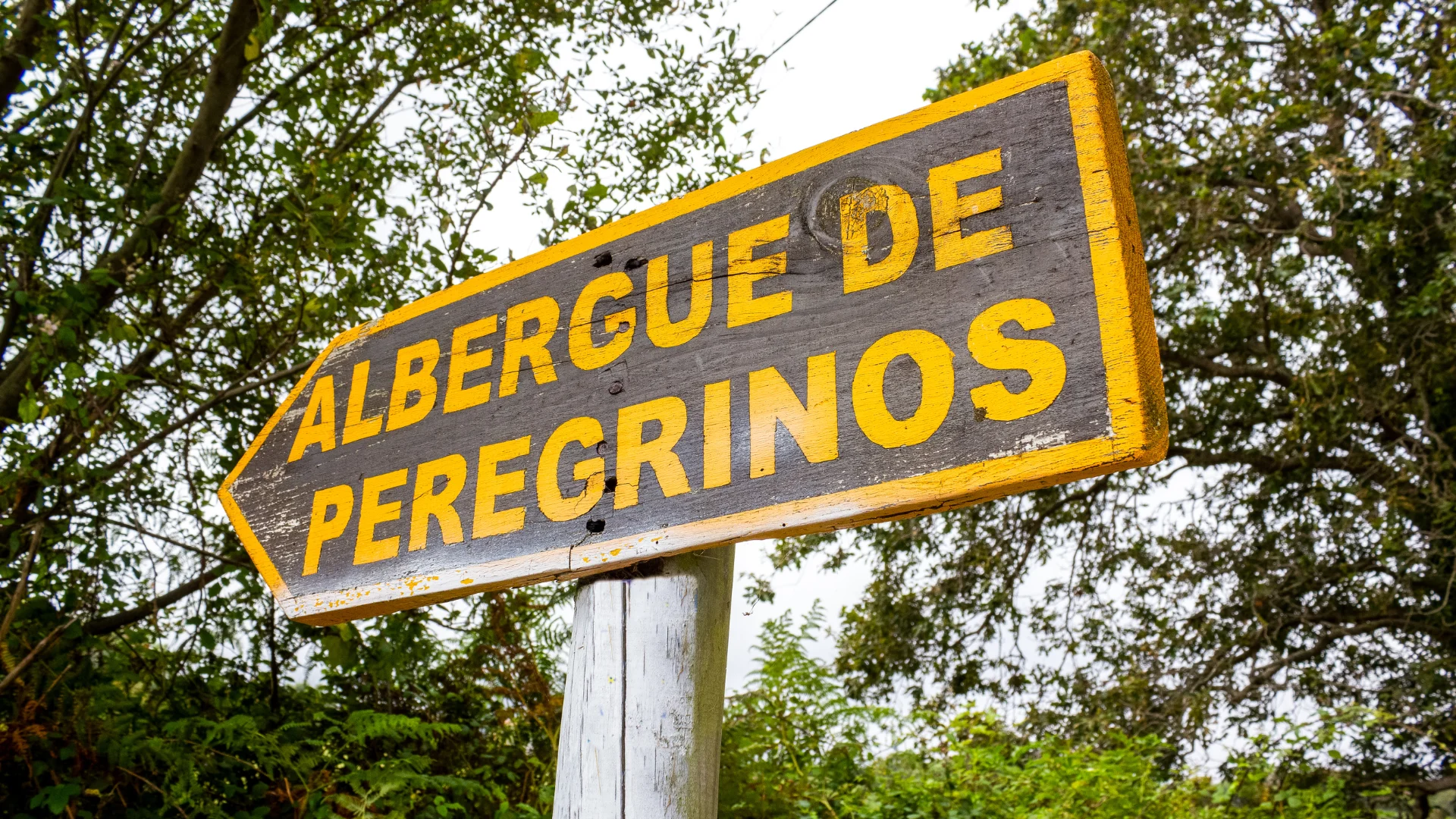
In the context of the Camino de Santiago, albergues are shared accommodation establishments created to provide shelter, rest, and assistance to pilgrims. The origin of these hostels dates back to the Middle Ages under the protection of monasteries, kings, and field hospitals, which protected and welcomed pilgrims. The Jacobean albergue usually requires guests to have a Pilgrim’s Credencial in order to stay overnight.
What are the albergues like?
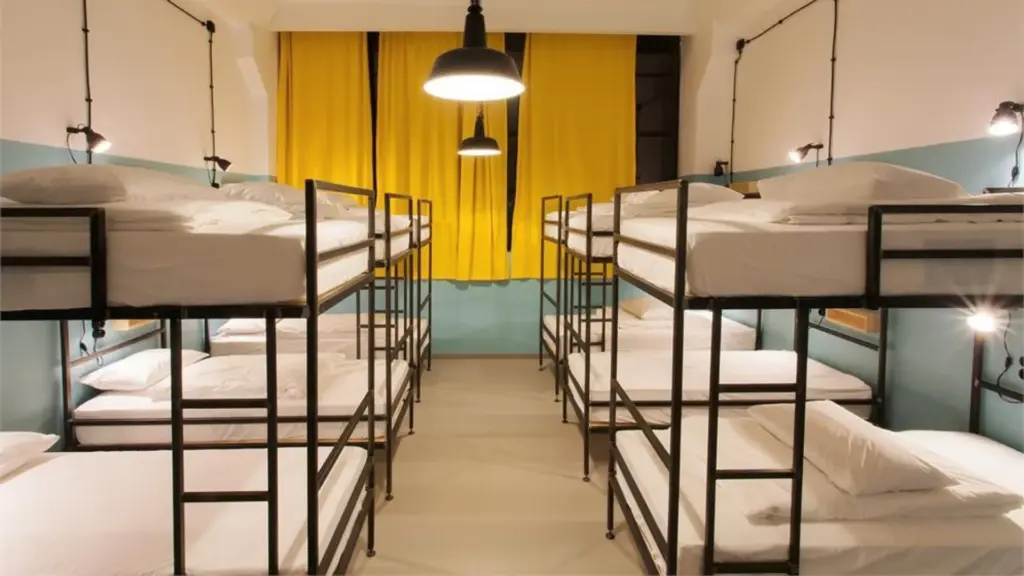
The main characteristic of a Camino albergue is community life and space optimization. They usually feature large sleeping quarters equipped with bunk beds, where dozens of pilgrims share the same space. Bathrooms, showers, and kitchens are shared areas designed to foster interaction and camaraderie.
In addition, it is common to find manual laundry areas and outdoor clotheslines in these establishments. For cyclists, most places are equipped with bike racks, basic tools, and even washdown hoses.
Types of Albergues on the Camino de Santiago
Not all albergues operate under the same regulations. The network is divided into three distinct types of Camino de Santiago hostels.
Public Albergues
Public albergues are institutionally owned establishments managed by local town halls (municipal hostels) or by autonomous community governments (such as the public network of the Xunta de Galicia). These albergues are characterized by offering budget-friendly, fixed rates regulated by law. The major downside of this type of hostel is that booking a bed in advance is strictly prohibited; beds are assigned on a first-come, first-served basis at the front desk.
Private Albergues
Private albergues are managed by local entrepreneurs or businesses, and these accommodations offer greater comfort and better services. The biggest advantage is that they allow you to book online or by phone, guaranteeing a bed at the end of the day. The price is usually slightly higher than that of public hostels, but they typically offer washing machines, dryers, Wi-Fi, and fabric sheets.
Parochial Albergues
These types of Camino de Santiago albergues are the last remnant of medieval hospitality. Parochial albergues are managed by local parishes, religious orders, or confraternities. In most of them, the donation-based hostel formula (or “pay what you can”) applies, where the pilgrim contributes the amount of money they consider fair or can afford. They are famous for their communal dinners and breakfasts, where grace is said and food is shared.
Access Priority for Camino de Santiago Albergue Types
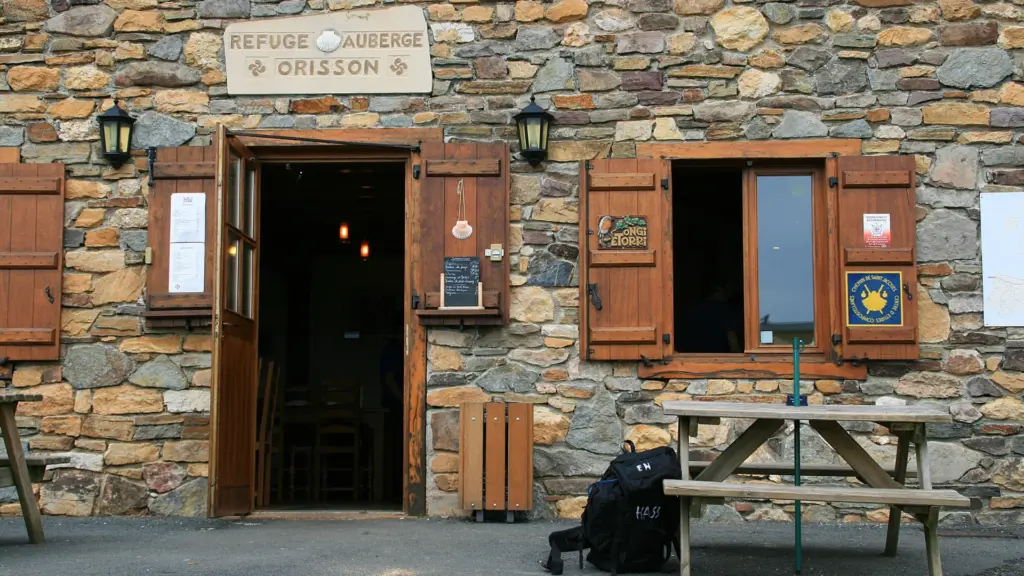
In the public albergue network (municipal and Xunta hostels), beds are not assigned by whim or favoritism. There is a strict, non-negotiable official admission policy applied at the registration desk. If you are traveling by bicycle, you need to know this order of priority inside out to avoid being left stranded after a grueling day:
In public albergues, beds are assigned following a strict and non-negotiable official admission policy applied at the registration desk.
- Priority 1: Pilgrims with physical limitations. People with motor disabilities or severe medical conditions.
- Priority 2: Pilgrims on foot. Traditional walkers have the right to occupy the bunk beds until full capacity is reached.
- Priority 3: Pilgrims on horseback. They have preference over cyclists due to logistics and animal care.
- Priority 4: “Bicigrinos” (cyclists). They occupy the last place on the list.
The cyclist’s disadvantage has to do with the specific logic of the Pilgrim’s Office: the cyclist has a mechanical advantage. A cyclist can ride an extra 10 or 15 km to the next town.
By law, in most public albergues, cyclists cannot check in or take a bed until a fixed time in the evening (approximately between 6:00 PM and 7:00 PM).