What is the Pilgrim’s Mass?
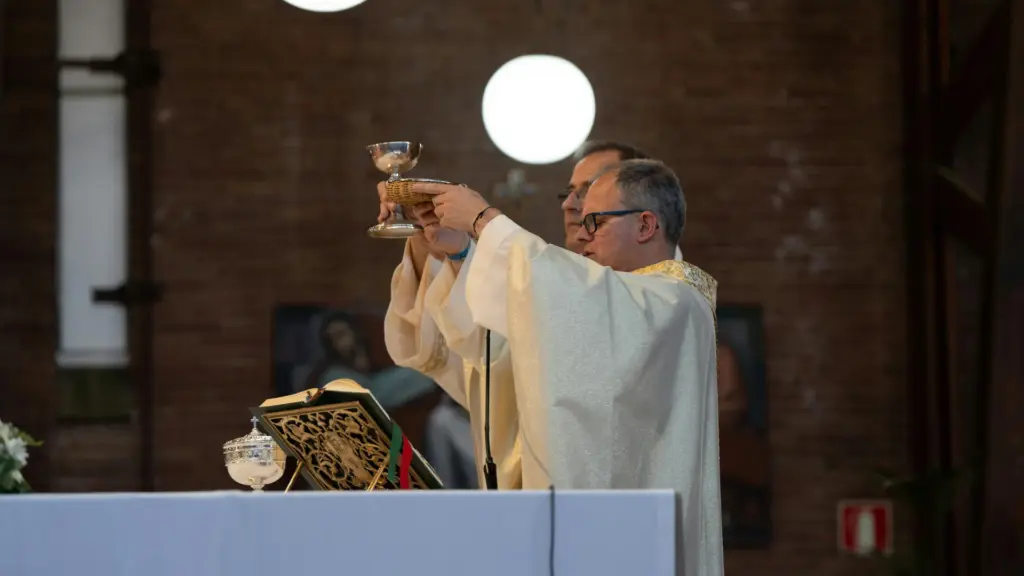
The Pilgrim’s Mass is a liturgical celebration of the Catholic Church held daily at the High Altar of the Santiago de Compostela Cathedral. Its roots date back to the 12th century, emerging in the heart of the Middle Ages with the aim of offering a welcoming mass to the thousands of pilgrims who managed to complete their pilgrimage.
Today, the ceremony keeps its structure of universal welcome intact, turning the Pilgrim’s Mass into a meeting point where distances are forgotten and the end of the journey is celebrated.
What is the meaning of the Pilgrim’s Mass?
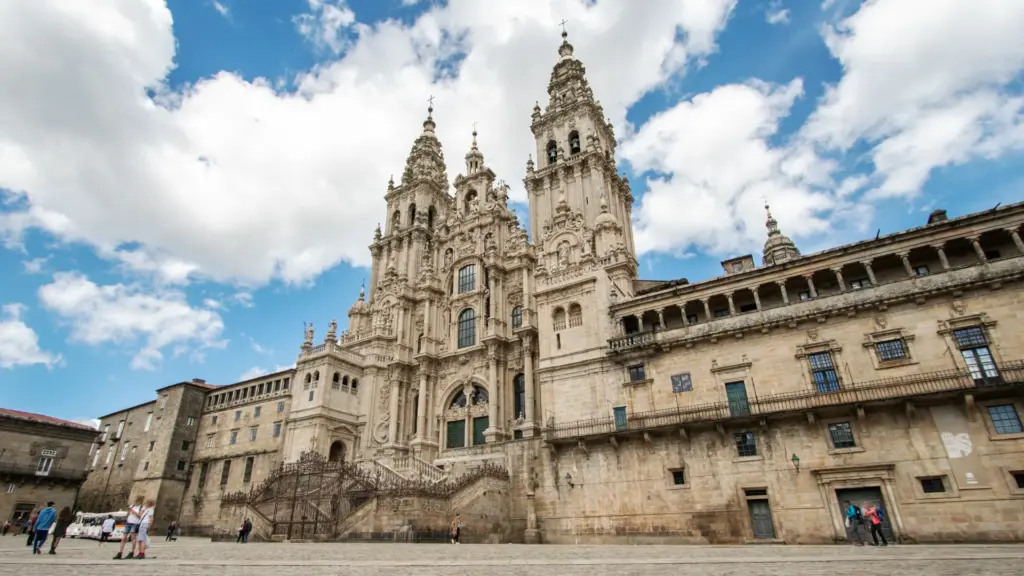
In the past, pilgrims attended the Pilgrim’s Mass to purify their body and soul after overcoming the Camino de Santiago, prostrating themselves before Saint James the Apostle to give thanks for arriving safely at the edge of the End of the World. Today, the meaning has become universal, creating a space for reflection to absorb the lessons of perseverance, solidarity, and material detachment.
Where and at What Time is the Pilgrim’s Mass Celebrated? (Official Schedule)
The Pilgrim’s Mass is held at the High Altar of the Santiago de Compostela Cathedral. The official schedule for the Pilgrim’s Mass is fixed throughout the year and structured into two main times:
- Every morning at 12:00 PM
- Every evening at 7:30 PM
The twice-daily schedule ensures that pilgrims arriving in the city during the middle of the day can participate in the ceremony, regardless of any logistical delays in the final stages.
The Reading of the Pilgrim List: How to Get Your Name Mentioned at the Pilgrim’s Mass?
At the Pilgrim’s Mass, one of the most anticipated moments is when the priests read aloud the official report of the pilgrims who have entered the city over the last 24 hours. This moment takes place at the beginning of the celebration.
For this mention to take place, you must first visit the Pilgrim’s Reception Office (located just a few meters from the Santiago Cathedral) to process and stamp your official Pilgrim Credential. When you register your data digitally to obtain the Compostela, the computer system automatically uploads your information. Church regulations state that individual first and last names are never read aloud due to privacy reasons; instead, the announcement details the total number of travelers, their nationalities, and the exact place where they started their journey.
Frequently Asked Questions About the Pilgrim’s Mass at the Santiago de Compostela Cathedral
Is it mandatory to pay an admission fee to attend the Pilgrim’s Mass?
No, admission to the Pilgrim’s Mass is completely free and open to everyone, both official pilgrims and conventional visitors or tourists, subject only to the capacity limits of the basilica’s interior.
Can you enter the Cathedral with a bicycle and panniers?
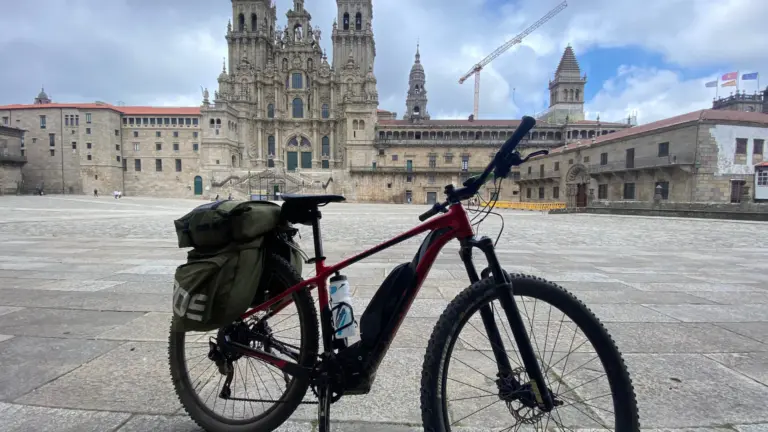
No, it is prohibited. For various reasons of public safety, crowd control, and the preservation of artistic heritage, entering the Cathedral with large backpacks, cycling helmets, panniers, or bicycles is not allowed. You must leave your luggage securely stored.
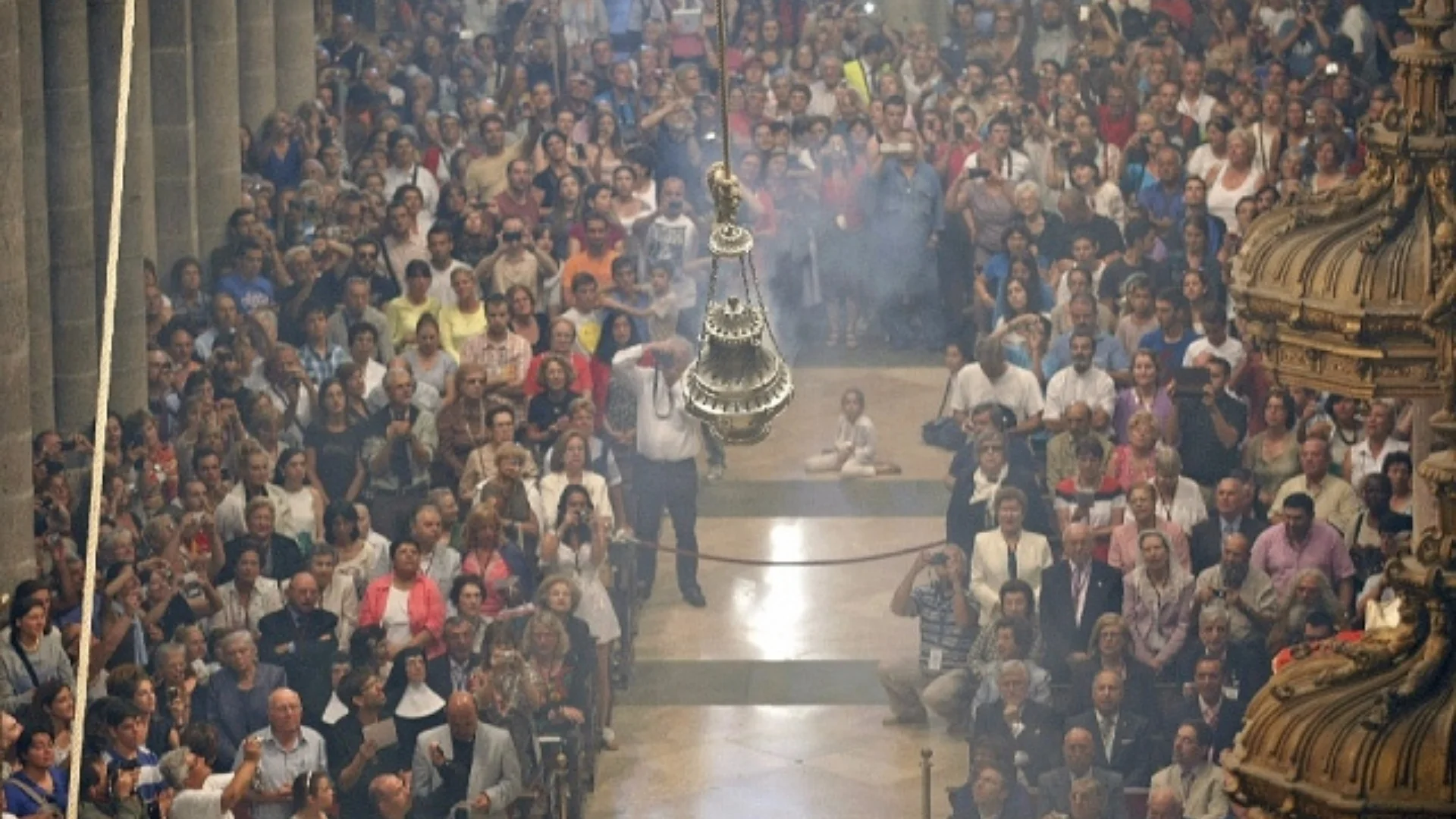
When does the Botafumeiro swing during the Pilgrim’s Masses?
The Botafumeiro does not operate on a fixed schedule due to architectural preservation reasons and logistical costs. The Botafumeiro safely operates during the major liturgical feasts of the official calendar, or when an association, pilgrim group, or private individual pays for the costs of the lighting and the liturgy through a prior reservation at the cathedral office.