Who was Charles V?
Charles V was born in Ghent in 1500; he was King of Spain, Emperor of the Holy Roman Empire and lord of an empire that stretched across Europe and America. His reign was marked by the wars against France, the advance of the Ottoman Empire and the outbreak of the Protestant Reformation.
Charles V was a religious man, educated in the Catholic faith and convinced of his mission as defender of Christendom. His life was marked by his pilgrimage to Santiago de Compostela in 1520. Years later, ill, he abdicated in favour of his son Philip II and retired to the monastery of Yuste, where he died in 1558.
The historical context of Charles V’s pilgrimage
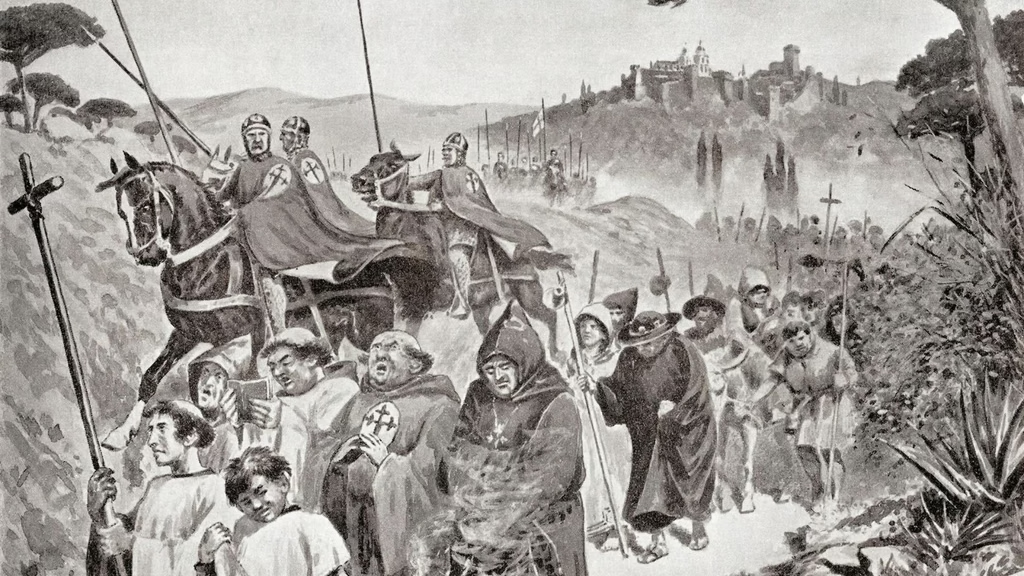
After the death of Maximilian, Charles was elected Emperor of the Holy Roman Empire, which made him the most powerful ruler in Europe. On the other hand, his election sparked tensions with France and with the German princes, who viewed his great power with envy.
From a religious point of view, in 1517 Martin Luther had published his 95 theses, marking the beginning of the Protestant Reformation. Charles V, a defender of the Catholic Church, undertook his pilgrimage to Santiago de Compostela with a clear meaning: to reaffirm his Catholic faith and his commitment to the Jacobean tradition.
Why did Charles V make a pilgrimage to Santiago de Compostela?
Charles V made a pilgrimage to Santiago de Compostela for various reasons. On the one hand, there was a promise; according to some sources, the emperor had made a vow to go on pilgrimage to Santiago if he emerged victorious. His election as emperor and his subsequent journey to Spain to be crowned were the perfect occasion to fulfil his promise.
On the other hand, the pilgrimage had a political component. By visiting Santiago de Compostela, he reaffirmed his ties with Spain, his new kingdom. The pilgrimage was an act of propaganda: it presented the emperor as the defender of the faith and heir to the Jacobean tradition.
The itinerary of Charles V’s pilgrimage
The itinerary that Charles V followed on his Camino to Santiago de Compostela is well documented. The emperor set out from Valladolid, where the court was located, and travelled the Camino Francés from León to Compostela. During the journey, he was received with honours everywhere by all the local authorities.
The route crossed towns such as Astorga, Ponferrada, Villafranca del Bierzo and O Cebreiro, among others. Along the Camino, the emperor visited churches, monasteries and hospitals. His arrival in Santiago was in March 1520, and he was received with festivities and religious ceremonies.
Charles V’s stay in Santiago de Compostela
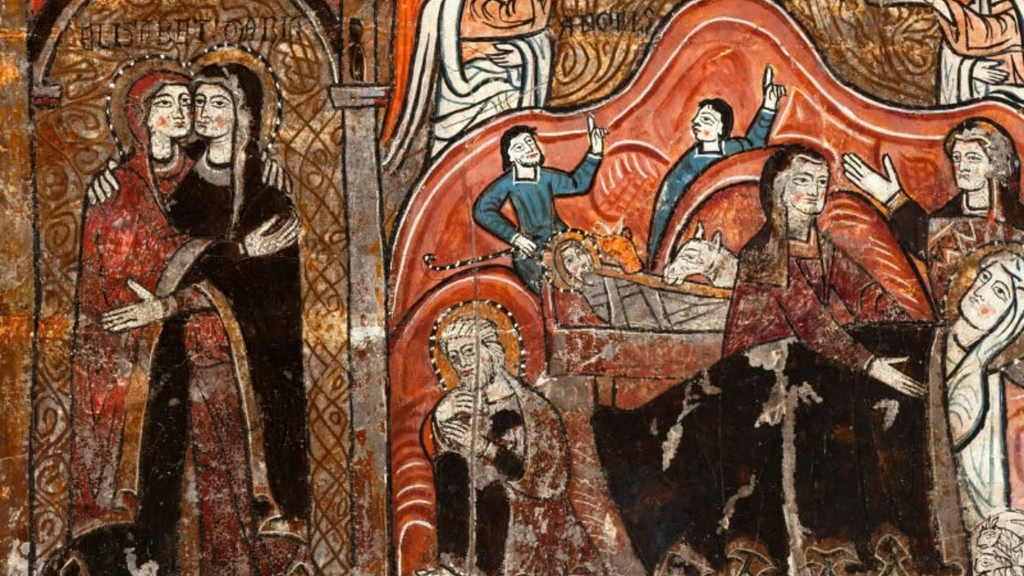
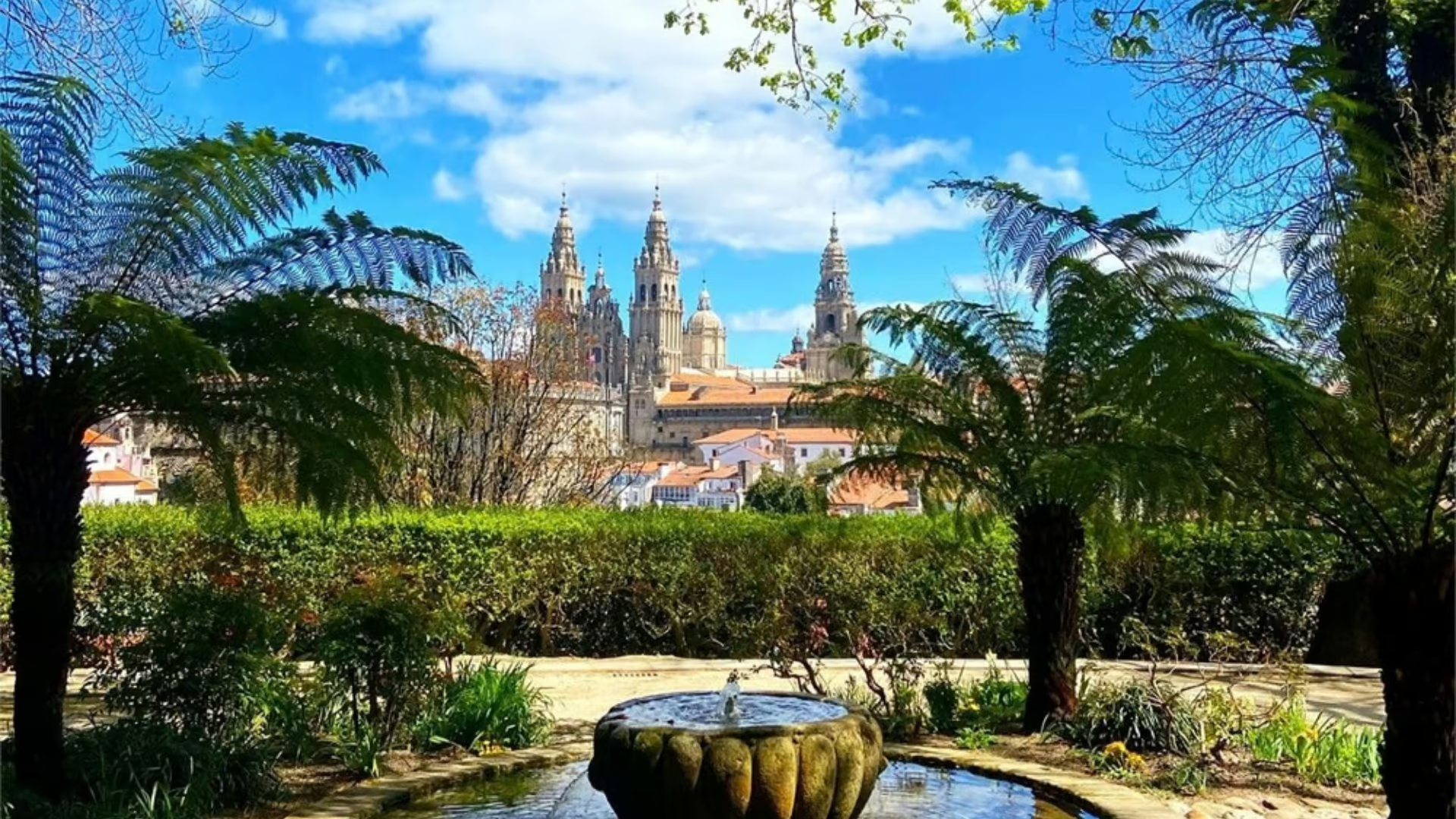
During his stay in Santiago de Compostela, Charles V visited the Cathedral and venerated the relics of the Apostle Santiago. He took part in numerous religious ceremonies and stayed at the Hospital of the Catholic Monarchs, the building that had been founded by his grandparents to care for pilgrims.
In addition, Charles V held meetings with the local authorities and with those responsible for the Cathedral of Santiago. His visit served to promote reforms on the Jacobean route and to reaffirm the Crown’s support for pilgrimage.
Frequently asked questions about Charles V’s pilgrimage to Santiago de Compostela
In what year did Charles V make his pilgrimage to Santiago?
Charles V made his pilgrimage to Santiago de Compostela in 1520, after having been elected Emperor of the Holy Roman Empire and before his coronation as emperor in Aachen.
How long did the journey last?
Charles V’s journey to Santiago lasted several weeks, from his departure from Valladolid until his return. His stay in Compostela was brief, just a few days, but the complete route, with the stops and receptions, stretched over more than a month.
Did Charles V do the Camino on foot?
No. Charles V made the journey on horseback, accompanied by his court and a large retinue. It was not a penitential pilgrimage in the style of humble pilgrims, but an official and ceremonial journey, although charged with religious meaning.